
Blooming
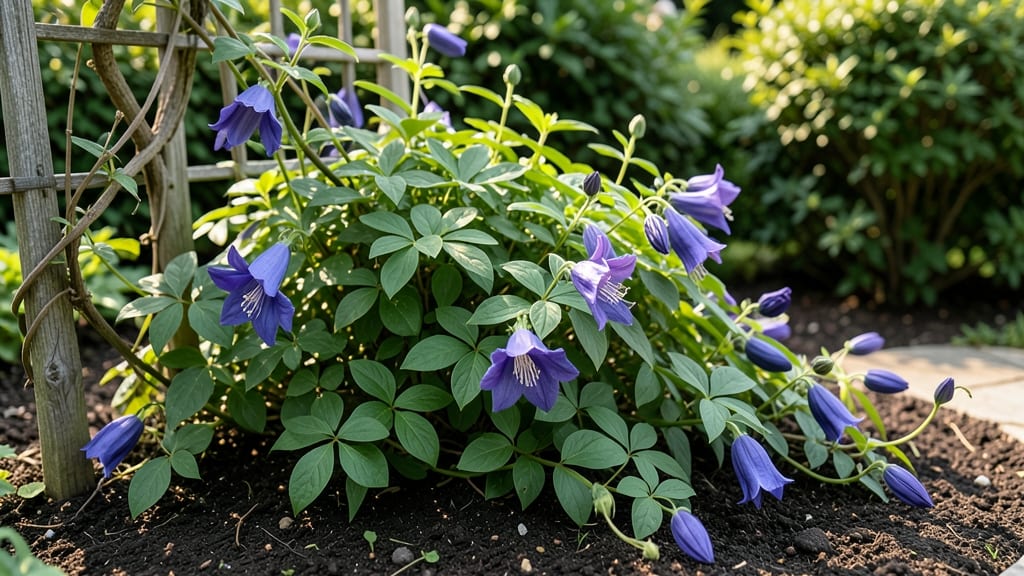
Knowing the exact Jackmanii clematis bloom time 🌸 is the secret to planning your garden’s grand finale—because this variety doesn’t just bloom; it puts on a show from late summer through fall.
If you’ve ever wondered why your Jackmanii clematis seems to take forever to flower—or why it skips a year entirely—you’re not alone. The truth is, bloom timing depends on more than just the calendar.
It’s a mix of sunlight, pruning, and even your local climate. Get it right, and you’ll enjoy those iconic purple blooms stretching from mid-July to October.
Below, I’ll break down the month-by-month bloom schedule for your USDA zone, the pruning tricks that extend the season, and why some vines bloom late (or not at all). Spoiler: it’s not just about waiting.
Ready to turn your clematis into a year-round star? Let’s dive into the exact timing and care tips that make all the difference.
Exact Clematis Jackmanii Bloom Time by USDA Hardiness Zones (With Month-by-Month Breakdown)
Clematis jackmanii is famous for its prolonged summer blooms, but its exact timing depends heavily on your USDA hardiness zone and local microclimates. In colder zones (like Zone 4), buds form after 1,000+ chill hours (below 45°F), while warmer zones (like Zone 9) may bloom earlier but with shorter displays. Even a south-facing wall can shift blooms by 2–3 weeks compared to open garden beds.
This month-by-month breakdown shows when to expect first blooms, peak flowering, and how to adjust care for your zone. For example, Zone 5 gardeners often see first flowers in late June, while Zone 8 vines may start as early as mid-May.
The key? Sunlight exposure and pruning timing—both directly impact your vine’s schedule.
📊 Quick Reference: Use the table below to find your zone’s bloom window, then scroll down for month-by-month details on how to extend the show. Pro tip: Morning sun and consistent moisture keep jackmanii blooming until first frost in most regions.
In Zone 4, chill hours (below 45°F) are critical—your vine needs 1,000+ hours to set buds. If winters are mild, blooms may start 2 weeks later. Zone 9 gardeners, on the other hand, often see early April blooms because the vine skips dormancy and flowers continuously until frost.
The longest bloom duration (up to 28 weeks) happens in Zones 8–9, where frost is rare.
Here’s how microclimates tweak timing: A south-facing trellis
Pruning tricks to extend Jackmanii Clematis Bloom Time by 4–6 Weeks (Step-by-Step Guide)
Clematis jackmanii is famous for its late-summer blooms, but with the right pruning, you can stretch those flowers into early frost. This Group 3 clematis thrives on strategic cuts that encourage hidden buds to wake up. The key? Timing and technique—cut too early or too late, and you’ll sacrifice next year’s blooms.
Most gardeners prune jackmanii in early spring (March) or late winter, but I’ve found the hidden bud technique works best when paired with a second pruning in July.
This two-step method tricks the vine into producing continuous blooms instead of one big flush. Let’s break it down step by step.
⚠️ CRITICAL PRUNING MISTAKES TO AVOID:
- 1. Pruning at the wrong time: Cutting back after mid-March delays blooms or removes next year’s buds.
- 2. Over-pruning: Removing more than 1/3 of the vine weakens growth and reduces flower count.
- 3. Ignoring hidden buds: Failing to spot dormant buds hidden under old wood means missed blooms.
- 4. Using dull shears: Jagged cuts invite disease and stress the plant.
- 5. Skipping summer pruning: No July trim = no second flush of flowers.
First, prune in early spring (before new growth starts) by cutting back the previous year’s stems to 2–3 feet tall. Look for swollen buds—these are your next year’s blooms. Leave at least 6–8 buds per stem to ensure strong growth.
Here’s the secret: After the first flush of blooms (usually June–July), wait until you see new growth from the hidden buds. Then, prune again to encourage a second bloom cycle.
Cut just above a pair of healthy leaves, and the vine will respond with new flowers by August or September.
For extended blooming, deadhead faded flowers regularly to redirect the plant’s energy. And here’s a pro tip: Mulch heavily in spring to protect roots and water deeply during dry spells. This keeps the vine hydrated and stress-free, so it focuses on producing blooms instead of survival.
With this method, my jackmanii clematis has bloomed from July until hard frost—a full 4–6 weeks longer than the typical display. The key is patience and precision, but the payoff is worth it for any gardener who loves a vine covered in deep purple blooms. 🌸