
Blooming
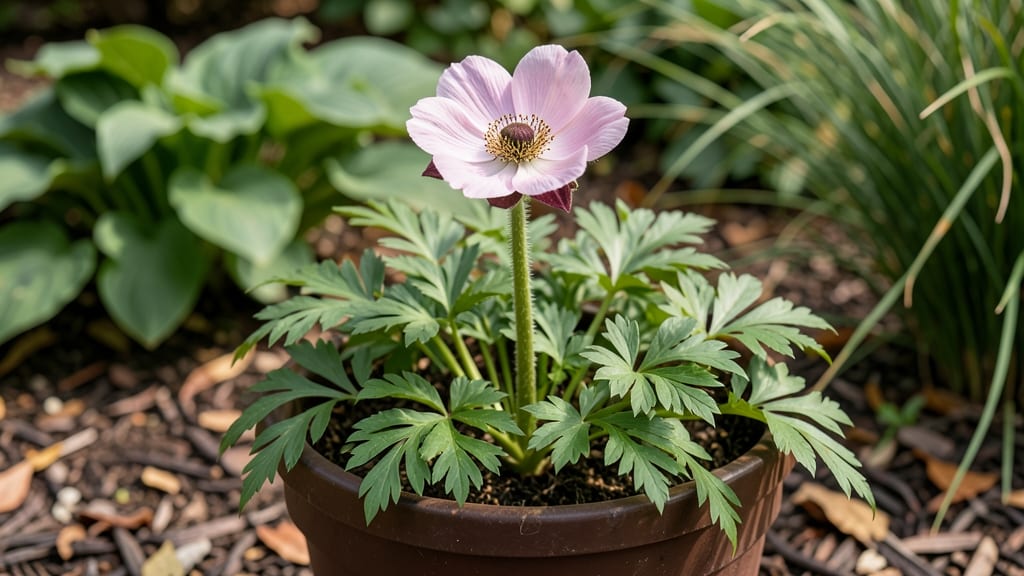
The Japanese anemone bloom time transforms your garden into a dreamy, late-season spectacle 🌸.
If you crave that exact moment when most perennials fade, these delicate blooms arrive just in time—flourishing from late August through November in most regions. But here’s the catch: timing isn’t one-size-fits-all. Plant too early or too late, and you might miss their show entirely.
This guide breaks down the exact bloom window by your USDA zone, plus the simple tweaks—like soil prep and light—that can push blooms earlier or stretch them later. Whether you’re in Zone 6a or beyond, you’ll learn how to sync their magic with your garden’s rhythm.
From deadheading tricks to companion plants that keep them thriving, you’ll discover how to make every season feel like autumn—one Japanese anemone at a time.
When do Japanese anemones bloom? Exact timeline by region and variety
Japanese anemones (Anemone × hybrida) are nature’s autumn showstoppers, lighting up gardens when most perennials retreat. Their bloom window spans late August to November, but exact timing depends on your USDA zone and variety.
In Zone 4, expect blooms as early as mid-August, while Zone 9 gardens may see flowers lingering until December frost. Understanding these patterns helps you plan companion plantings and seasonal displays for maximum impact.
Temperature is the primary driver of bloom timing. Japanese anemones need cool nights (50–60°F) and warm days (70–80°F) to trigger flowering.
Early frosts in Zones 4–6 can cut blooms short, while Zones 7–9 often enjoy extended displays. Sunlight exposure also plays a role—too much direct sun delays blooming, while partial shade (4–6 hours/day) encourages earlier, more abundant flowers.
| Variety | Bloom Period | USDA Zones | Key Notes |
|---|---|---|---|
| ‘Honorine Jobert’ | Late August–October | 4–9 | Early bloomer; pink flowers, 3–4 ft tall |
| ‘Pamela’ | September–November | 5–8 | Mid-season; white blooms, drought-tolerant |
| ‘Queen Charlotte’ | October–December | 6–9 | Late bloomer; deep purple, thrives in heat |
| ‘Hadspen Abundance’ | September–November | 4–8 | Double blooms; pink-purple, 2–3 ft tall |
The ‘Honorine Jobert’ variety kicks off the season in late August, making it ideal for early autumn gardens in Zones 4–6. Its pink, wind-resistant blooms pair beautifully with asters and goldenrod for a cottage-core vibe.
Meanwhile, ‘Queen Charlotte’ shines in Zones 7–9, often blooming until December if frost is delayed. This variety’s deep purple flowers contrast stunningly with sedum and ornamental grasses.
Soil conditions also influence timing. Japanese anemones thrive in moist, well-draining soil with organic matter. Amend heavy clay with compost or sand to prevent root rot, which can delay blooming.
In sandy soils, add peat moss to retain moisture. pH levels between 6.0–7.0 are ideal—test your soil and adjust with lime (to raise pH) or sulfur (to lower pH) if needed.
Planting time affects bloom timing too. For spring planting, aim for March–April in Zones 4–6 or February–March in Zones 7–9.
This gives roots 6–8 weeks to establish before summer heat. Fall planting (September–October) is also effective—roots grow in cool weather, setting the stage for next year’s blooms. Avoid planting in extreme heat, as stress can delay flowering.
In cooler climates (Zones 4–5), Japanese anemones may bloom earlier but shorter due to frost risks. To extend the season, choose late-blooming varieties like ‘Queen Charlotte’ or ‘Profusion’.
In warmer zones (Zones 8–9), blooms often last longer but may start later. Use lightweight row covers in early fall to protect flowers from unexpected frosts.
Deadheading spent blooms prolongs flowering by redirecting energy to new buds. Snip off faded flowers at the first node below the bloom to encourage secondary blooms. In Zones 6–9, this can extend the display by 2–4 weeks.
Pair Japanese anemones with companion plants like Russian sage or black-eyed Susans to create a continuous color show from summer to frost.
If your Japanese anemones fail to bloom, check for these common issues: overcrowding (divide clumps every 3–4 years), poor soil nutrients (add balanced fertilizer in early summer), or too much shade (aim for <
How to extend Japanese anemone bloom time with simple gardening hacks
Japanese anemones (Anemone × hybrida) are late-season stars, but their bloom time can feel fleeting. With the right gardening hacks, you can stretch those delicate pink and white blooms for weeks longer.
The secret lies in nutrient retention, strategic watering, and smart companion planting—all designed to create the perfect microclimate for your plants.
Start by focusing on soil health—Japanese anemones thrive in moist, well-draining soil rich in organic matter. Amend your garden beds with compost or aged manure before planting to ensure roots have the nutrients they need to support prolonged flowering.
A mulch layer (2–3 inches) also helps retain moisture and regulate soil temperature, both critical for extending bloom duration.
- ✂️ Deadhead spent blooms weekly to redirect energy to new flowers. Use clean pruners and cut stems just above the leaf node.
- 💧 Water deeply 2–3 times per week during peak bloom (August–September). Aim for 1 inch of water per week, delivered in the early morning.
- 🌿 Plant companions like asters or sedum to create shade and retain soil moisture, slowing water evaporation.
- 🌱 Fertilize lightly in early summer with a balanced 5-10-10 formula. Avoid high-nitrogen feeds—they promote foliage over flowers.
- ☀️ Provide afternoon shade in hot climates (USDA zones 7–9). Use lightweight shade cloth (30%) to prevent stress.
Don’t overlook the power of companion plants—they’re your secret weapon for creating an ideal microclimate. Pair Japanese anemones with asters or sedum to slow soil moisture loss and reduce heat stress.
These plants also attract beneficial insects, like ladybugs, which help control pests that might otherwise weaken your anemones.
After the blooms fade, resist the urge to clean up entirely. Leave seed heads for winter interest and cut back foliage only in early spring. This post-bloom care ensures next year’s flowers will be even more vibrant.
Add a layer of compost around the base in late fall to replenish nutrients for the following season.
For regional adjustments, gardeners in cooler climates (USDA zones 4–6) can extend blooms by planting near evergreen shrubs to buffer wind. In warmer zones (7–9), prioritize afternoon shade and daily watering during heatwaves.
With these simple tweaks, your Japanese anemones will keep dancing through the autumn breeze—long after other perennials have bowed out.
🌿