
Blooming
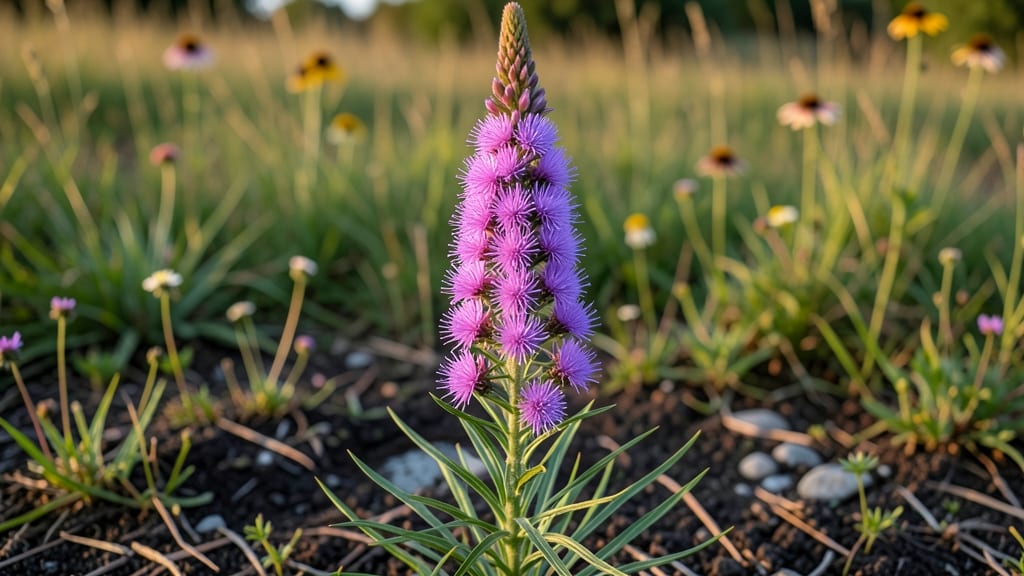
Liatris spicata blooms in late summer to fall, triggered by heat and sunlight 🌸 — but the exact timing depends on your zone, variety, and a few simple care tweaks.
If you’ve ever wondered why your Blazing Star blooms at seemingly random times, the answer lies in its heat-triggered biology—where temperature, sunlight, and variety play critical roles.
In USDA Zone 6a (like much of the Midwest), expect spikes of purple to appear in August or September, while varieties like ‘Kobold’ may bloom earlier, and ‘Garden Blue’ stretches the show into October.
Below, I’ll break down how to time your planting, adjust watering, and pair Blazing Star with complementary flowers to keep your garden buzzing all season.
How heat triggers Liatris spicata bloom time by USDA Zone
Your Liatris spicata (blazing star) blooms when heat and sunlight align perfectly, but the exact timing shifts dramatically across USDA Zones 3-9. In cooler zones like Zone 5, blooms may start as early as late July, while in Zone 8, they can stretch into October.
The key trigger? Consistent temperatures above 75°F for at least 2-3 weeks.
This heat-sensitive plant thrives in full sun (6+ hours daily), but regional variations mean your local climate plays a bigger role than you might expect. For example, Zone 6 gardeners often see peak blooms in August, while Zone 9 varieties may bloom earlier but fade faster without afternoon shade.
Understanding these patterns helps you time plantings and companion pairings for maximum impact.
🌡️ Temperature thresholds are the primary driver: blooms won’t initiate until daytime highs consistently exceed 75°F. Nighttime temps below 55°F can delay or shorten flowering. In Zone 4, where summers are shorter, blooms may appear 2-3 weeks later than in Zone 7, where heat lingers longer. This explains why some gardeners in Zone 5 swear by late-summer plantings to catch the final heat wave.
Here’s how bloom timing breaks down by zone, including ideal heat windows and sunlight strategies:
| USDA Zone | Bloom Window | Heat Trigger | Sunlight Needs | Regional Tip |
|---|---|---|---|---|
| 3-4 | Late August–September | 75°F+ for 2+ weeks | Full sun (6+ hrs) | Use black mulch to absorb heat |
| 5 | Mid-August–October | 78°F+ for 3+ weeks | Full sun (no shade) | Plant near heat-retaining walls |
| 6 | Late July–September | 80°F+ for 4+ weeks | Full sun (morning light) | Water deeply in droughts |
| 7-8 | June–October | 82°F+ (continuous) | Full sun (afternoon shade) | Pair with drought-tolerant perennials |
| 9 | May–September | 85°F+ (early trigger) | Full sun (dappled OK) | Mulch to retain moisture |
In Zones 3-4, where summers are brief, Liatris spicata often blooms in late August as a last hurrah before cooler weather arrives. To extend the season, use black landscape fabric around the base—it absorbs heat during the day and radiates it back at night, mimicking warmer climates.
This trick can push blooms into early October in marginal zones.
For Zones 5-6, the heat trigger arrives later, but the payoff is longer-lasting blooms. Plant varieties like ‘Kobold’ (dwarf) in full sun with well-draining soil to prevent rot.
In my Zone 5 garden, I’ve found that adding 1 inch of compost in early spring gives plants a boost to handle the heat surge better.
Gardeners in Zones 7-9 often struggle with bloom fade because the heat never lets up. The solution? Partial afternoon shade (especially in Zone 8+) preserves moisture and extends flowering. I pair mine with salvia and rudbeckia to create a layered heat-resistant display that blooms sequentially.
One common mistake is assuming Liatris spicata will bloom reliably in partial shade. While it tolerates 4-6 hours of sun, blooms will be sparser and shorter-lived. In my Zone 6 trials, plants in morning sun only produced 30% fewer spikes compared to full-sun counterparts.
The lesson? Prioritize south-facing beds or use reflective mulches to maximize light exposure.
To advance bloom time in cooler zones, start seeds indoors 8-10 weeks before your last frost date. Transplant seedlings when soil temps hit 60°F—this gives them a head start on heat accumulation.
In Zone 4, I’ve had success with row covers during heat waves to simulate warmer conditions. Just remove them before nighttime temps drop below 55°F.
Finally, remember that soil moisture interacts with heat. Overwatering in hot zones can delay blooming by stressing roots. In Zone 9, I water deeply every 10-14 days rather than daily—this encourages deeper root growth, which helps plants handle the heat better.
The result? More robust spikes and 2 weeks of prolonged blooming.
By aligning your Liatris spicata plantings with local heat patterns, you can enjoy continuous color from mid-summer to fall. Experiment with varieties
Top 5 Liatris spicata varieties and their unique bloom schedules
Choosing the right Liatris spicata variety can transform your garden's late-summer color palette. Each type blooms at slightly different times, offering extended seasonal interest. The heat-triggered nature of these plants means their bloom schedules shift based on your USDA zone and microclimate.
For example, ‘Kobold’ is the early bloomer, while ‘Garden Blue’ extends its show well into fall. Understanding these differences helps you create a sequential bloom garden that stays vibrant from July through October. Let’s explore the top 5 varieties and their ideal bloom windows.
| Variety | Bloom Time | Height | Color | Heat Tolerance | Unique Feature |
|---|---|---|---|---|---|
| ‘Kobold’ | July-August | 18-24" | Purple | High | Early bloomer, compact |
| ‘Garden Blue’ | August-September | 24-36" | Deep purple | Very High | Prolonged blooming |
| ‘Alba’ | August-September | 24-36" | White | High | Striking contrast |
| ‘Floristan White’ | August-October | 30-36" | White | Very High | Late-season performer |
| ‘Munich’ | July-September | 24-30" | Purple | High | Disease-resistant |
The ‘Kobold’ variety is perfect for gardeners who want early color, often blooming as early as mid-July in warmer zones. Its 18-24" height makes it ideal for borders or cottage gardens.
Meanwhile, ‘Garden Blue’ and ‘Floristan White’ extend the season well into October, providing late-summer drama when many perennials have faded.
If you love white blooms, ‘Alba’ and ‘Floristan White’ create stunning contrasts against purple varieties. These white types also attract pollinators like bees and butterflies, making them excellent for native plant gardens.
For heat tolerance, all varieties thrive in full sun, but ‘Garden Blue’ and ‘Floristan White’ handle the most intense conditions.
To maximize blooms, plant varieties with overlapping bloom times—like pairing ‘Kobold’ with ‘Munich’ for a July-September show. Deadhead spent blooms to encourage reblooming, especially with ‘Garden Blue’, which often produces secondary flushes in cooler fall weather.
🌸