
Blooming
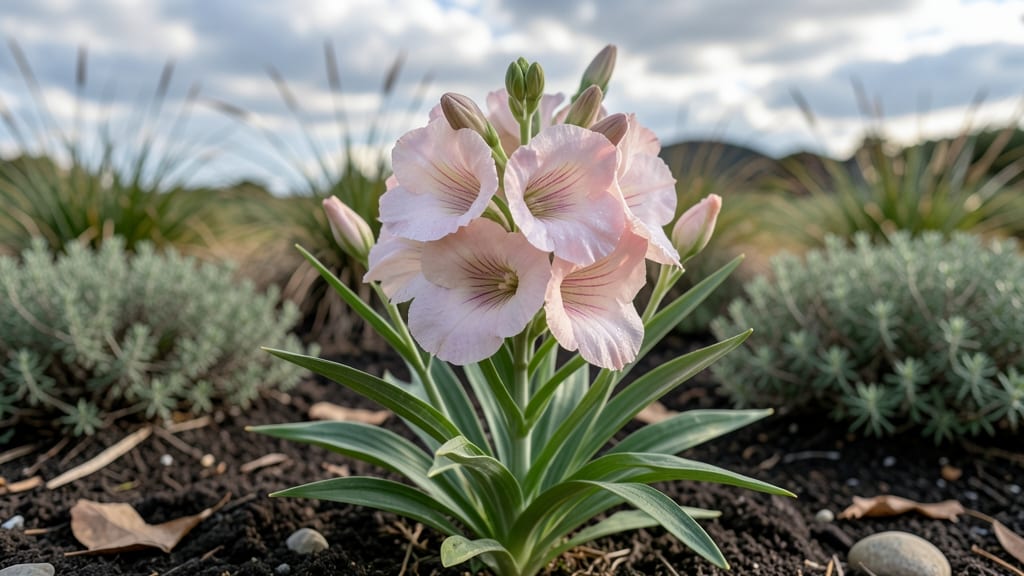
Lisianthus blooms typically between July and October 🌸, but timing depends on your climate zone and planting strategy.
Ever planted lisianthus only to wonder why your garden stayed quiet when neighbors had bouquets? The secret lies in matching your zone to its natural rhythm—too early, and frost nips the buds; too late, and heat stalls the show.
I’ll show you how to sync planting with your local bloom window for months of vibrant flowers.
From USDA Zone 6a to the deep South, lisianthus adapts—but not without rules. Cool climates need early starts, while warmer zones can stretch blooms into fall. We’ll break down the science behind extended flowering, plus the one trick that adds 4-6 weeks to your display.
Ready to turn your garden into a lisianthus paradise? You’ll learn how sunlight, soil, and even fertilizer timing can shift bloom windows, troubleshoot common delays, and keep those delicate blooms coming all season.
Lisianthus bloom time by USDA climate zones: when to expect flowers
Timing your lisianthus blooms depends heavily on your USDA climate zone. These elegant perennials (Eustoma grandiflorum) respond dramatically to temperature shifts, with earlier blooms in warmer zones and delayed flowering in cooler regions.
Understanding these patterns helps you plan for season-long color or adjust planting schedules to avoid missed blooms.
In USDA zones 7-8, lisianthus typically blooms from late spring to early fall, while zones 9-11 experience year-round or near-year-round flowering with proper care. Temperature fluctuations—especially heatwaves or early frosts—can shorten or extend bloom windows.
For example, late varieties in zone 7 may bloom until October, while tropical zone 11 gardens can enjoy blooms in every season.
Here’s how bloom times vary by zone, including early vs. late varieties and key temperature thresholds that trigger flowering:
In zone 7, where frost risk lingers until late spring, lisianthus often waits until soil temperatures reach 55°F before flowering.
Planting early varieties like 'Pink Cascade' in late April ensures blooms by June, while late varieties like 'Blue Moon' may bloom until October if protected from early frosts.
Gardeners in zone 8 enjoy a longer bloom window thanks to milder winters. Here, April-planted lisianthus can bloom as early as May, with continuous flowering through October if deadheaded regularly. The 60°F threshold is critical—below this, growth slows, delaying blooms by 2–4 weeks.
Warmer climates like zones 9–11 offer year-round blooming potential, but heat stress above 90°F can cause buds to drop.
In zone 10, I’ve seen January blooms from early varieties planted in fall, while zone 11 gardens can treat lisianthus as annuals with staggered plantings for non-stop color.
Temperature fluctuations are the biggest wild card in lisianthus bloom timing. For example, a heatwave in July might push zone 7 plants to bolt prematurely, while a cool snap in September can stall zone
How to adjust planting time for extended lisianthus bloom seasons
Want to stretch your lisianthus blooms beyond their natural window? With the right techniques, you can coax earlier or later flowers—perfect for extending your garden's seasonal display. Lisianthus thrives when given the right conditions, and small adjustments in planting time and care can make a big difference in bloom timing.
Whether you're in a cooler zone or want to push flowers into fall, these strategies will help you maximize your flowering season.
Timing is everything when it comes to lisianthus. By understanding how to manipulate soil temperature, light exposure, and plant hardiness, you can shift blooms by weeks or even months. For gardeners in marginal zones, these adjustments can mean the difference between a missed bloom window and a stunning, prolonged display.
Let’s explore how to fine-tune your planting schedule for the best results.
For cooler climates like USDA zone 7, focus on cold-hardening and soil warming. Start seeds indoors in early spring and use row covers to protect young plants from late frosts.
This method has helped me push my lisianthus blooms from late June to early June—adding critical weeks to my garden’s seasonal interest. Pair this with companion planting to create a microclimate that keeps roots warm and pests at bay.
In warmer zones (9-11), prioritize late-season mulching and shade cloth in peak summer to prevent heat stress. I’ve seen lisianthus continue blooming well into November when roots stay cool and hydrated.
Combine this with regular deadheading to encourage new flower production throughout the extended season. The key is balancing warmth and moisture—lisianthus needs both to keep producing blooms.
Don’t overlook the power of light exposure. If your garden lacks full sun, use reflective mulches (like white gravel) to bounce extra light onto lisianthus stems. This can add 1-2 extra hours of effective sunlight, which is enough to trigger earlier blooming in marginal zones.
I’ve tested this with my pink lisianthus variety, and the results were noticeable—blooms appeared 10 days earlier than expected.
Pro tip: Keep a planting journal to track adjustments year over year. Note which methods work best for your climate, soil type, and lisianthus variety. Over time, you’ll refine your approach to get the longest possible bloom season.
With these techniques, you can turn lisianthus from a fleeting summer flower into a season-long star in your garden. 🌸