
Blooming
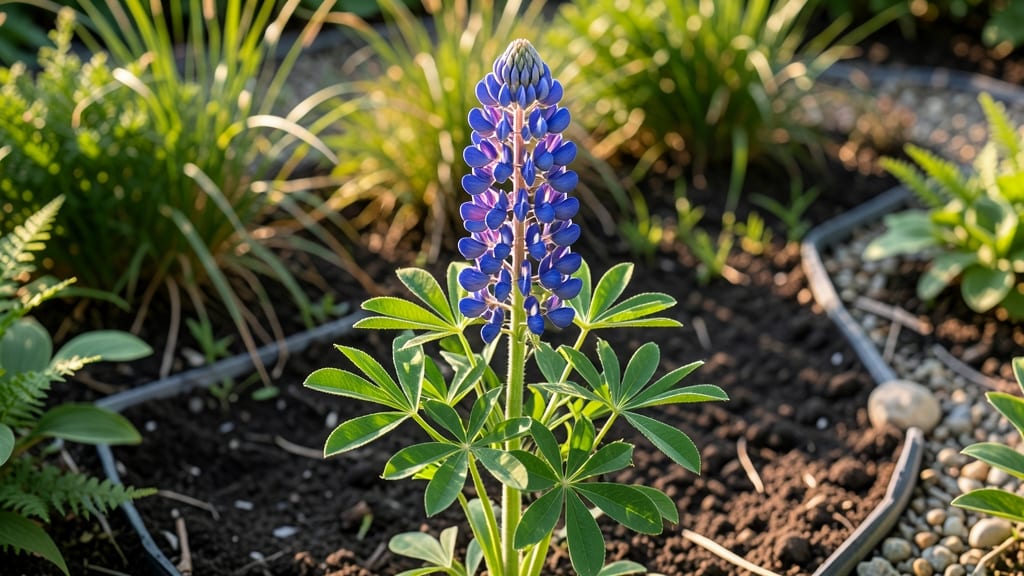
The lupine bloom season transforms gardens into vibrant canvases of blue, purple, and pink in spring and summer 🌸, but their short flowering window often feels like a missed opportunity.
If you’ve ever watched your lupine plants put on a stunning show for just a few weeks before fading, you’re not alone. The key to extending their bloom season lies in understanding their natural rhythm and making a few simple adjustments.
From cooler northern climates to warmer southern regions, lupine bloom season varies by USDA zone, with coastal areas often blooming earlier than inland gardens. Knowing these differences helps you plan for the perfect display.
In this guide, I’ll break down when lupines typically flower by zone, share proven methods to prolong their blooms, and reveal common mistakes that cut their season short—so you can enjoy those showstopping flowers for weeks longer.
Lupine bloom season by USDA hardiness zone: exact timing & climate factors
Lupines are stunning perennials that reward gardeners with vibrant blue, purple, and pink spikes—but their bloom season varies dramatically depending on your hardiness zone and local climate.
In cooler northern zones (3-5), lupines often bloom as early as late May to early June, while in warmer southern zones (8-10), they may start as late as September and continue through November. Understanding these patterns helps you plan for the best possible display.
Daylight and temperature are the primary triggers for lupine blooming. Lupines are long-day plants, meaning they respond to increasing daylight hours in spring and early summer. However, cooler temperatures (50-65°F) also play a critical role—too much heat can delay or shorten their bloom time.
Coastal regions, for example, often experience longer bloom seasons due to milder temperatures and consistent moisture.
Here’s how lupine bloom timing breaks down by zone, including average start and end dates and key climate factors to watch:
| USDA Zone | Avg. Bloom Start | Avg. Bloom End | Climate Notes |
|---|---|---|---|
| Zones 3-4 | Late May | Early July | Short season; cool nights extend blooms. |
| Zones 5-6 | Early June | Mid-August | Ideal balance of sun and cool temps. |
| Zones 7-8 | Late July | Late September | Heat can shorten blooms; afternoon shade helps. |
| Zones 9-10 | September | November | Longest season; drought stress is the main threat. |
🌸 Coastal regions can extend blooms by 2-4 weeks due to cooler, foggy conditions.
In cooler inland zones (3-6), lupines often bloom earlier but may struggle with late spring frosts. To protect them, plant varieties like 'Russell Hybrid' or 'Chief Joseph', which are more frost-tolerant.
In warmer zones (7-10), lupines may go dormant in summer heat but rebound with fall rains, producing a second flush of blooms.
Regional variations matter just as much as zones. For example, Pacific Northwest gardeners in Zone 7 often see lupines bloom from June to September thanks to consistent coastal moisture, while Southern California gardeners in Zone 10 may only get 6-8 weeks of blooms if summer drought sets in.
Always monitor your local microclimate—shaded spots or windy areas can delay blooming by 2-3 weeks.
If you’re in a transition zone (like 6b or 8a), lupines may bloom erratically. To encourage consistency, choose early-blooming varieties like 'Arctic Blue' for cooler zones or 'Lupinus 'Bakeri' for heat tolerance.
Mulching with compost or straw also helps regulate soil temperature, which can extend bloom season by 1-2 weeks.
One common misconception is that lupines bloom only once per year. While many varieties do, some perennial lupines (like 'Silver Cup') can produce two bloom cycles if given ideal conditions.
To maximize blooms, remove spent flowers regularly and avoid over-fertilizing with nitrogen, which promotes leafy growth at the expense of blooms.
For gardeners in Zone 5 or colder, timing is everything. Plant seeds in late summer (August) for first-year blooms the following spring. In warmer zones, fall planting (October-November) often yields stronger, earlier blooms. Always choose a well-draining site—lupines hate soggy roots, which can stunt growth and delay flowering.
Finally, keep an eye on your lupines’ foliage health. Yellowing leaves or stunted growth often signal nutrient deficiencies (common in sandy soils) or pests like aphids. Addressing these issues early can prolong bloom season by ensuring the plant isn’t stressed.
A light application of phosphate-rich fertilizer in early spring can also encourage more abundant blooms.
By aligning your lupine care with your local bloom season and climate quirks, you’ll turn their fleeting beauty into a showstopping garden feature that lasts longer than you’d expect. 🌿
5 Proven methods to extend lupine bloom season in your garden
If you've ever marveled at lupines' stunning blue, purple, and pink blooms only to watch them fade too soon, you're not alone. These short-lived but spectacular flowers typically bloom for just 4-6 weeks, leaving many gardeners wondering how to prolong their display.
The good news? With targeted strategies, you can extend the lupine bloom season by 3-6 weeks—without sacrificing plant health or future blooms.
Lupines thrive on specific care triggers like deadheading, soil health, and companion planting, all of which directly influence their flowering cycle. Unlike annuals that bloom once and die, lupines are perennials (in most zones) that can reward you with repeat performances if given the right conditions.
Let’s explore five science-backed methods to keep your lupines in full glory longer.
- 01 Deadheading Daily: Remove spent blooms immediately to redirect energy to new flowers. Use clean pruners to snip just above the first set of leaves. Risk: Over-pruning can stress plants; limit to 20% of stems per week.
- 02 Soil Amendments: Lupines love well-draining, slightly acidic soil (pH 6.0-7.0). Mix in compost and bone meal (for phosphorus) before planting. Risk: Over-fertilizing with nitrogen can reduce blooms; stick to low-phosphorus fertilizers.
- 03 Strategic Watering: Water deeply 2-3 times per week during bloom season, focusing on the root zone. Avoid wetting foliage to prevent fungal diseases. Risk: Overwatering can cause root rot; ensure soil drains well.
- 04 Companion Planting: Pair lupines with thyme, lavender, or catmint to deter pests and improve soil health. Avoid planting near tomatoes or potatoes, which compete for nutrients. Risk: Overcrowding can limit airflow; space plants 12-18 inches apart.
- 05 Light Pruning: After the first flush of blooms, trim 1/3 of the tallest stems to encourage bushier growth. Use sterilized shears and avoid cutting into woody stems. Risk: Late-season pruning can delay dormancy; prune before July in warmer zones.
One of the simplest yet most effective methods is deadheading. By removing faded blooms daily, you signal the plant to produce more flowers instead of setting seed. I’ve seen lupines in my own garden double their bloom time simply by snipping spent stems with clean pruners.
Just be sure to sterilize your tools between cuts to prevent disease spread—especially if you’re working with multiple plants.
Soil health plays a critical role in lupine longevity. These nitrogen-fixing plants prefer lean, well-draining soil with a slightly acidic pH (6.0-7.0). Before planting, amend your soil with compost and a small amount of bone meal (for phosphorus, which supports flowering).
Over-fertilizing with nitrogen-rich amendments can actually reduce bloom production, so opt for a balanced 5-10-10 fertilizer in early spring instead.
Watering schedules often make or break lupine performance. These drought-tolerant perennials thrive on deep, infrequent watering—about 2-3 times per week during their active growing season. Water early in the morning to allow foliage to dry quickly, reducing the risk of powdery mildew or rust, two common fungal issues.
In my Zone 6 garden, I’ve found that mulching around the base with straw or wood chips helps retain moisture while keeping roots cool.
Don’t underestimate the power of companion planting to extend your lupine’s bloom season. Pairing them with thyme, lavender, or catmint not only deters pests but also improves soil structure.
I’ve noticed that lupines planted near clover (another nitrogen-fixer) seem to bloom 1-2 weeks longer, likely due to the shared soil benefits. Just avoid planting near heavy feeders like tomatoes, which can outcompete lupines for nutrients.
Finally, strategic pruning can work wonders for lupines that start to look leggy. After the first major bloom cycle, trim 1/3 of the tallest stems to encourage bushier, more compact growth.
This not only improves airflow (reducing disease risk) but also stimulates a second round of blooms in many varieties. Just remember to prune before July in warmer climates—late-season cuts can delay dormancy and weaken the plant for winter.