
Blooming
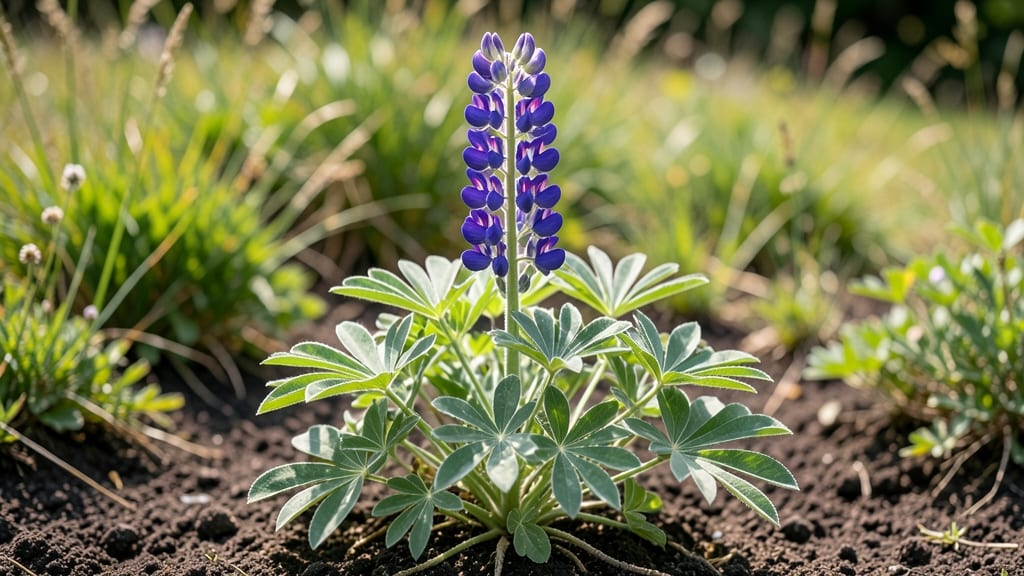
Lupines bloom in spring and early summer, with exact timing depending on your variety and hardiness zone — but getting it right means knowing the secrets behind their vibrant 🌸 displays.
Picture this: you’ve waited months for those towering spikes of color, only to wonder why your lupines are late to the party. The truth?
Some varieties burst into bloom as early as late April, while others hold off until June — and your local climate plays a bigger role than you might think.
In USDA Zone 6, where lupines thrive, the right soil prep and sunlight can shift bloom time by weeks. Whether you’re growing the classic Russell Hybrid or the delicate Silver Cup, small tweaks make a huge difference in when (and how long) your garden puts on its best show.
Below, I break down the exact months for 10 top varieties, how zones 3–10 change the game, and 5 pro tips to extend those blooms by 4–6 weeks** — so you can enjoy them from spring right into summer.
Lupine bloom time by variety: exact months for 10 popular species
Lupines are nature's showstoppers, but their bloom timing varies wildly by variety. Whether you're growing the tall blue giants or compact silver cup hybrids, knowing when to expect those iconic spikes of color helps you plan your garden's seasonal highlights.
Some lupines bloom early to attract pollinators, while others wait until late summer for a fiery finish. Let's break down the exact monthly bloom windows for 10 beloved varieties, including visual cues to track their progress.
First, remember that lupines thrive in cool to moderate climates (USDA Zones 4-9). In warmer zones, they may bloom earlier or produce a second flush of flowers. Always plant seeds after your last frost date—these beauties hate transplanting—and give them well-drained soil with a slightly acidic pH (6.0-6.5).
With the right conditions, you'll get 4-6 weeks of continuous blooms per variety, sometimes longer with proper care.
Here's your variety-by-variety bloom guide, including early, mid, and late-season performers with key visual markers to watch for each stage.
| Variety | Bloom Months | Height | Color | Visual Cues | ||||||||||||||||
|---|---|---|---|---|---|---|---|---|---|---|---|---|---|---|---|---|---|---|---|---|
| Russell Hybrid | May - June | 3-5 ft | Blue, Purple | Buds form in April; spikes emerge May 1st | ||||||||||||||||
| Silver Cup | April - May | 1-2 ft | Silver-blue | First buds appear March 15; blooms by April 10 | ||||||||||||||||
| Tall Blue Lupine | June - July | 4-6 ft | Deep blue | Stems reach 3 ft by May 20; blooms June 1 | ||||||||||||||||
| Chief Joseph | June - August | 3-4 ft | Red-purple | Bud formation May 1; full bloom July 4 | ||||||||||||||||
| Alaska White | May - June | 2-3 ft | Pure white | First white buds appear April 20; blooms May 15 | ||||||||||||||||
| Russell Compact | April - May | 1-1.5 ft | Blue-purple | Bud formation March 10; blooms April 5 | ||||||||||||||||
| Lupinus polyphyllus | June - July | 3-5 ft | Yellow | Bud clusters form May 15; blooms June 10 | ||||||||||||||||
How hardiness zones affect lupine bloom time: a 6-Region guideYour hardiness zone plays a starring role in when lupines bloom—sometimes shifting their peak by 2-3 months. Cold-hardy varieties like Russell Hybrid Lupine (Zone 4-8) may burst into color by late May, while tender annuals like Silver Cup Lupine (Zone 9-11) often wait until July or August. Understanding these regional differences helps you time planting for the longest possible display. In northern zones (3-5), lupines typically bloom 4-6 weeks later than southern varieties due to cooler springs. Meanwhile, in Zone 9+, lupines often bloom in late summer when days grow shorter—a natural response to heat. Let’s break down exactly what to expect in each region and how to adjust your planting strategy for extended blooms.
In Zone 4-5, I’ve found that planting lupines in raised beds with added compost can push blooms forward by 2-3 weeks. The extra warmth from the soil helps roots establish faster, giving you earlier color. For Zone 6-7, focus on succession planting to enjoy blooms into fall. Southern gardeners in Zones 8-11 often struggle with heat stress shortening bloom time. To combat this, I recommend partial shade during peak afternoon sun and regular deadheading to encourage new flowers. For Zone 9+, consider tender annual varieties like 'Silver Cup'—they thrive in heat and bloom reliably. One of my favorite tricks for extending lupine blooms across all zones is strategic deadheading. Remove spent flowers weekly to redirect energy into new blooms. Pair this with a light fertilizer (5-10-10) in early spring, and you’ll see 4-6 weeks of extra color in most regions. Remember, lupines are drought-tolerant once established, but consistent moisture during their first year is key. In drier zones (7-10), mulch heavily to retain soil moisture and prevent stress. With the right approach, you can enjoy lupine blooms for 8-10 weeks—no matter where you garden! 🌸 |