
Blooming
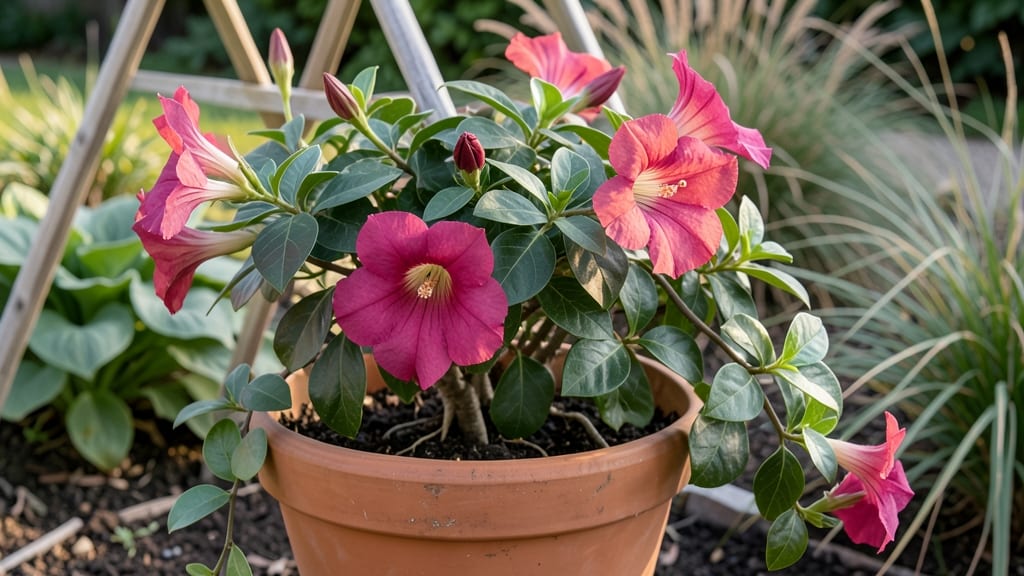
The Mandevilla’s bloom time can be mastered with the right heat and care tricks—even forcing vibrant flowers months earlier than nature’s schedule.
If your Mandevilla plants are playing hard to bloom—or worse, sitting stubbornly bare—you’re not alone. These heat-loving tropicals can flower year-round with the right tricks, but timing is everything.
In USDA zones 9a-11, Mandevilla 🌸 typically bursts into color from late spring through summer, but cooler climates can delay blooms until late summer or even fall. The key? Mimicking their natural tropical environment with consistent warmth, bright light, and strategic care.
Below, I’ll share the secrets to extending your Mandevilla’s bloom time—whether you’re dealing with indoor pots or outdoor vines—so you can enjoy those showstopping flowers for months longer.
Understanding Mandevilla bloom time: natural cycles vs. forced flowering
Mandevilla plants thrive in spring and summer, mirroring their native tropical climates where warmth and long daylight trigger vibrant blooms. In their natural habitat, these vines produce continuous flowers from May through September, with peak intensity during summer months when temperatures stay above 60°F (15°C).
Understanding this natural cycle helps gardeners set realistic expectations for their own plants.
However, many gardeners want to extend bloom time or even force early flowers—especially in cooler regions. The key lies in manipulating temperature and light exposure, two critical factors that control Mandevilla's flowering response.
By learning how these elements work together, you can coax blooms months earlier than nature's schedule or maintain flowers well into fall and even winter with indoor care.
🌸
| Bloom Factor | Natural Cycle | Forced Blooming | Key Trigger |
|---|---|---|---|
| Temperature | 60-90°F (15-32°C) | 65-75°F (18-24°C) | Consistent warmth |
| Daylight Hours | 12+ hours | 8-10 hours (deprivation) | Light exposure control |
| Bloom Season | May-September | Year-round (with care) | Strategic pruning |
| Variety Differences | M. sanderi (pink), M. boliviana (red) | All respond similarly | Genetic consistency |
| Post-Bloom Care | Deadhead spent blooms | Prune for new growth | Encourage reblooming |
Mandevilla's natural bloom cycle begins when daylight hours increase in spring, signaling the plant to produce flowers. This photoperiod response is tied to phytochrome pigments in the leaves that detect light changes.
When days grow shorter in fall and winter, most outdoor Mandevillas enter a dormant phase, though some varieties may produce occasional blooms if temperatures remain mild.
The temperature threshold for flowering is another critical factor. Mandevilla requires consistent warmth above 60°F (15°C) to initiate bloom formation. Below this temperature, the plant focuses energy on foliage growth rather than flower production.
This explains why northern gardeners often struggle with blooms—their plants may not receive enough heat accumulation during the growing season.
Interestingly, different Mandevilla varieties exhibit slight variations in bloom timing. For example, Mandevilla sanderi typically blooms earlier in the season than Mandevilla boliviana, which often waits until late spring to produce its first flowers.
These differences stem from genetic adaptations to their native habitats—some evolved in cooler highland regions while others thrive in lowland tropical climates.
For gardeners wanting to force early blooms, the solution lies in light deprivation techniques combined with controlled warmth. By providing 8-10 hours of darkness followed by 14+ hours of light, you can trick the plant into thinking it's springtime even in winter months.
This method works particularly well for indoor Mandevillas or those in greenhouses where environmental conditions can be precisely controlled.
The science behind forced flowering involves ethylene production, a plant hormone that regulates growth and flowering. When Mandevilla experiences consistent darkness periods, ethylene levels rise, prompting bud formation.
Combine this with warmth from grow lights or heat mats, and you create the perfect conditions for early-season blooms—sometimes as early as February or March in indoor settings.
One common misconception is that over-fertilizing will produce more flowers. In reality, excessive nitrogen-rich fertilizers encourage leafy growth at the expense of blooms. For optimal flowering, use a balanced 10-10-10 fertilizer with slightly higher phosphorus to support flower development.
Apply this during active growth periods (spring and summer) and reduce feeding in fall and winter.
🌿
5 Proven methods to extend Mandevilla bloom time indoors and outdoors
Mandevilla plants thrive on heat and bright light, but their bloom cycles can stall without the right care. Whether you're in USDA zones 9-11 or a cooler climate, these 5 proven methods will help you extend flowering seasons year-round.
The key is understanding how to manipulate their environment—from winter heat sources to strategic pruning—to keep them blooming longer than nature’s schedule.
In warmer climates, Mandevilla naturally blooms from spring to fall, but with the right techniques, you can push those blooms into winter or even force earlier spring blooms. For cooler regions, indoor adjustments like grow lights and container size make all the difference.
Let’s dive into the actionable steps that will transform your bare vines into a year-round floral display.
🌸 5 Proven Methods to Extend Mandevilla Bloom Time
- 1 Winter Heat Sources: Use heat mats or space heaters (safely!) to maintain 65-75°F soil temps in cooler zones. Mandevilla needs warmth to trigger blooms, even in USDA zones 8 and below.
- 2 Strategic Pruning: Prune back 1/3 of growth after blooms fade to encourage new flower buds. Time pruning for early spring in warmer zones or late winter indoors to reset growth cycles.
- 3 Light Manipulation: Supplement with 12-14 hours of grow lights daily in winter to mimic longer daylight. Use full-spectrum LEDs for best results, especially in north-facing windows or shaded outdoor spots.
- 4 Fertilizer Schedules: Feed with high-phosphorus fertilizer (10-20-10) every 4-6 weeks during bloom season. Reduce feeding in fall/winter to prevent leafy growth over blooms.
- 5 Container Size Adjustments: Use smaller pots (10-15 gallons) to encourage root-bound stress, which triggers blooming. Repot every 2-3 years to refresh soil nutrients and prevent stagnation.
For USDA zones 9-11, focus on pruning and light—these plants love the heat and can bloom nearly year-round with minimal intervention. In cooler zones (8 and below), prioritize heat sources and grow lights to extend the season.
Even a 10°F temperature bump in winter can make the difference between bare vines and vibrant blooms.
Pro tip: Pair these methods with deadheading spent blooms to redirect energy into new flowers. This simple step can double your bloom time by preventing seed production.
Start with one or two methods, then layer them for maximum impact. Your Mandevilla will thank you with nonstop color from spring to frost! 🌿