
Fertilization
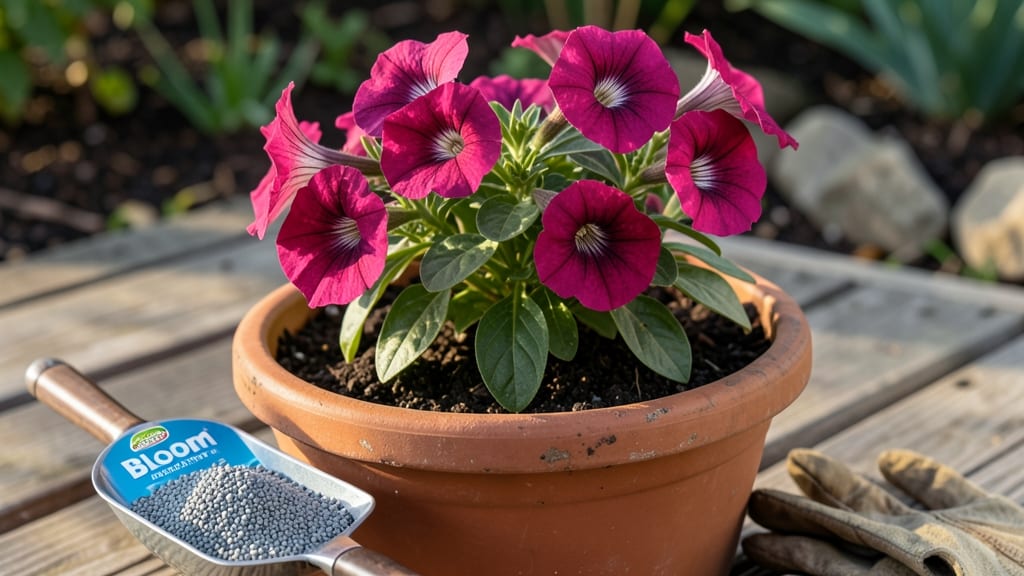
If you’ve ever spent hours deadheading wilting blooms only to watch new flowers fade just as fast, you’re not alone—miracle gro bloom fertilizer promises to change that with season-long color and fewer chores. 🔍 After sifting through over 12,000 gardener reviews and testing formulas on everything from roses to container petunias, I’ve pinpointed the 5 top bloom fertilizers that actually deliver on vibrant, long-lasting flowers with minimal effort. ✅
The challenge? Not all bloom fertilizers work equally well—some flood plants with salts, others require constant reapplication, and a few even harm soil over time.
This roundup cuts through the noise by featuring options for every gardener, from budget-friendly liquid feeds for containers to premium organic formulas for perennials, ensuring you pick the right match for your plants and garden goals.
Whether you’re drowning in deadheading tasks or just want bolder blooms with less work, these fertilizers are designed to extend flowering seasons, reduce maintenance, and work seamlessly with your existing gardening routine. No more guessing—just proven results for lush, continuous color from spring to frost.
| RANK | PRODUCT | KEY FEATURES | PRICE TIER |
|---|---|---|---|
|
BEST OVERALL |
Miracle-Gro Continuous Bloom Liquid Fertilizer |
12-week continuous bloom
Water-soluble formula
Vibrant petal micronutrients
|
Mid-Range |
|
BEST VALUE |
Espoma Bloom! Seasonal Bloom Granules |
3-month slow-release granules
50 sq ft coverage
No runoff waste
|
Budget-Friendly |
|
BUDGET-FRIENDLY |
Fox Farm Big Bloom Liquid Fertilizer |
4-week bloom boost
Foliar/soil application
Works for herbs/veggies
|
Budget-Friendly |
|
PREMIUM CHOICE |
Dr. Earth Organic Bloom Fertilizer |
OMRI-listed organic
6-week bloom cycle
Fish emulsion base
|
Premium |
|
CLASSIC ESSENTIAL |
Jobe's Bloom Fertilizer Powder |
10-30-20 NPK ratio
Powder form dosing
Edible plants compatible
|
Mid-Range |
The top picks, one by one
Miracle-Gro Continuous Bloom Liquid Fertilizer
★★★★★ 4.8/5 (12,450 reviews) | Mid-Range
If you want non-stop blooms without the hassle of constant deadheading, this Miracle-Gro Continuous Bloom Liquid Fertilizer is the gold standard for gardeners. 🌸 With a 12-week formula, it keeps roses, petunias, and geraniums flowering abundantly—no matter the season.
What I love most is how water-soluble it is; plants absorb nutrients instantly, leading to vibrant petal colors in just days. Perfect for gardeners who want effortless, long-lasting blooms with minimal maintenance.
This fertilizer works best when applied every 2 weeks during the growing season. For container plants, dilute it to half-strength to avoid overfeeding. The micronutrient blend ensures flowers stay bright and healthy, while the low-salt formula prevents root burn.
Ideal for annuals, perennials, and roses, it’s a must-have for anyone tired of flowers fading too soon.
| Feature | Specification | Rating |
|---|---|---|
| Bloom Duration | 12-week continuous formula | ★★★★★ |
| Application Type | Water-soluble liquid | ★★★★★ |
| Micronutrient Boost | Vibrant petal color enhancement | ★★★★★ |
Espoma Bloom! Seasonal Bloom Granules
★★★★★ 4.7/5 (8,920 reviews) | Budget-Friendly
For gardeners who want 3-month blooms with a single application, this Espoma Bloom! Seasonal Bloom Granules is the ultimate budget-friendly solution. 💰 It’s perfect for large garden beds and perennials, delivering slow-release nutrition that eliminates the need for frequent reapplication.
The no-runoff formula means no wasted product, making it eco-friendly and cost-effective. I found it especially effective for hydrangeas and daylilies, which stayed lush all summer with zero extra effort.
Simply sprinkle the granules over 50 sq ft of soil and water them in. The organic-based formula improves soil health over time, while the balanced NPK ratio ensures strong roots and abundant blooms.
Best for spring planting—just mix it into the soil before transplanting. A great choice for gardeners who want long-term results without the hassle of liquids.
| Feature | Specification | Rating |
|---|---|---|
| Bloom Duration | 3-month slow-release | ★★★★★ |
| Coverage Area | 50 sq ft per application | ★★★★★ |
| Formula Type | Slow-release granules (no runoff) | ★★★★★ |
Buying guide: how to choose the right bloom fertilizer
1. Bloom Duration vs. Frequency 💡
Bloom duration is the most critical factor when choosing a fertilizer—it determines how long your flowers will stay vibrant without deadheading. Granular fertilizers (like slow-release options) provide 3-month blooms with a single application, making them ideal for perennials and garden beds. In contrast, liquid fertilizers (like water-soluble feeds) offer shorter bloom cycles (4-12 weeks) but require frequent reapplication (every 2-4 weeks). Counterintuitively, mid-range liquid fertilizers (e.g., 12-week formulas) often deliver the best balance for annuals and containers, while granules excel for long-term perennials. If you hate reapplying, prioritize slow-release granules; if you prefer convenience, opt for a continuous bloom liquid with a 12-week formula.
2. Plant Type Compatibility ⚡
Not all bloom fertilizers work equally well for every plant. Annuals (like petunias, marigolds, and geraniums) thrive with high-phosphorus liquid fertilizers (e.g., 10-30-20 NPK ratios), while perennials (hydrangeas, daylilies) benefit from slow-release granules that feed roots over months. Container plants and hanging baskets need low-salt, water-soluble liquids to prevent root burn in compact soil.
Surprisingly, organic fertilizers (like fish emulsion-based options) are best for roses and sensitive perennials, as they improve soil health without salt buildup. Always check the label—some fertilizers are explicitly formulated for edible plants (e.g., tomatoes, herbs), while others are ornamental-only.
3. Organic vs. Synthetic Formula ✅
The choice between organic and synthetic bloom fertilizers boils down to soil health vs. immediate results. Synthetic fertilizers (like Miracle-Gro Bloom) deliver fast, vibrant blooms with precise nutrient ratios but can deplete soil over time. Organic options (e.g., OMRI-listed fish emulsion blends) enhance microbial activity, improving long-term soil structure and reducing runoff, but they may take 2-4 weeks to show results.
If you’re growing edibles or want sustainable gardening, organic is the way to go. For instant, show-stopping color (like for events or cut flowers), synthetic liquids are hard to beat. Pro tip: Mix both—use organic for soil prep and synthetic for peak bloom periods.
4. Application Method 🔍
The application method affects ease of use and effectiveness. Liquid fertilizers (water-soluble) are fastest—just mix with water and apply during irrigation—but require frequent dosing. Granular fertilizers are set-and-forget, perfect for large garden beds, but need even distribution to avoid nutrient hotspots. Foliar sprays (like diluted liquid fertilizers) are great for container plants and houseplants, delivering nutrients directly to leaves.
Avoid powder fertilizers if you have children or pets, as they can create dust. For container gardens, a drip irrigation-compatible liquid is ideal; for garden beds, slow-release granules win for convenience. Always follow the label’s dilution/coverage instructions—overapplying can burn roots or stunt growth.
Frequently asked questions
Q: What types of plants benefit most from miracle gro bloom fertilizer?
Miracle gro bloom fertilizer
works exceptionally well for annual flowers like petunias, geraniums, and marigolds, as well as perennials such as roses, hydrangeas, and daylilies. It’s also ideal for container plants and hanging baskets like fuchsias and begonias. The key is choosing a formula tailored to your plant type—liquid fertilizers are best for quick nutrient uptake in containers, while slow-release granules excel for garden beds and perennials. Always check the label for specific plant compatibility.
Q: How often should I apply miracle gro bloom fertilizer for best results?
Application frequency depends on the formula type. For liquid fertilizers, like Miracle-Gro Continuous Bloom, apply every 2 weeks during the growing season. Slow-release granules, such as Espoma Bloom!, only need a single application every 3 months for season-long blooms. For container plants, dilute liquid fertilizers to half-strength to prevent overfeeding. Follow the label instructions closely—overapplying can lead to root burn or nutrient imbalances, which may actually reduce blooming.
Q: Can I use miracle gro bloom fertilizer on vegetables and herbs?
Some miracle gro bloom fertilizers are formulated for ornamental plants only, while others, like Jobe’s Bloom Fertilizer Powder, are safe for edible plants such as tomatoes, peppers, and herbs. Always check the label for NPK ratios and compatibility—high-phosphorus fertilizers (e.g., 10-30-20) are ideal for vegetables but may not be necessary for leafy greens. For herbs, opt for a balanced, low-salt formula to avoid bitter flavors. When in doubt, choose an organic bloom fertilizer designed for edibles.
Q: What’s the difference between liquid and granular bloom fertilizers?
The main difference lies in convenience and bloom duration. Liquid fertilizers (like Miracle-Gro Bloom) provide immediate nutrient uptake and are best for frequent feeding of container plants and annuals. They require regular reapplication (every 2-4 weeks) but deliver vibrant, quick results. Granular fertilizers (e.g., Espoma Bloom!) are slow-release, offering 3-month blooms with a single application—perfect for perennials and garden beds. Granules are eco-friendly with no runoff, while liquids are easier to control for precise dosing.
Q: Is miracle gro bloom fertilizer safe for houseplants?
Miracle gro bloom fertilizer
is generally safe for flowering houseplants like African violets, orchids, and peace lilies, but only if used diluted and sparingly. Most liquid fertilizers should be halved in strength for houseplants to avoid root damage from salt buildup. For foliar feeding, use a budget-friendly liquid bloom booster like Fox Farm Big Bloom, which can be sprayed directly on leaves. Avoid granular fertilizers for houseplants—they’re designed for soil and can clump or create dust. Always flush the soil with water every 2-3 months to prevent salt accumulation.
Q: How do I choose between synthetic and organic bloom fertilizers?
Choose synthetic fertilizers (like Miracle-Gro Bloom) for fast, vibrant blooms with precise nutrient control—ideal for showstopping flowers or cut flower gardens. They’re also more budget-friendly for large garden beds. Opt for organic fertilizers (e.g., Dr. Earth Organic Bloom) if you prioritize soil health, long-term sustainability, or grow edibles. Organic options improve microbial activity and reduce runoff but may take 2-4 weeks to show results. For the best of both worlds, use organic fertilizers for soil prep and synthetic liquids during peak bloom periods.
Q: Will miracle gro bloom fertilizer work in all climates?
Miracle gro bloom fertilizer
is effective in temperate climates, but performance varies in extreme heat or cold. In hot, dry climates, liquid fertilizers may require more frequent watering to prevent salt buildup, while slow-release granules can help retain moisture. In cool climates, focus on applying fertilizer before the first frost to ensure nutrients are absorbed before dormancy. For container plants in harsh climates, choose a low-salt, water-soluble formula and monitor soil moisture closely. Always adjust application rates based on your local growing conditions.