
Blooming
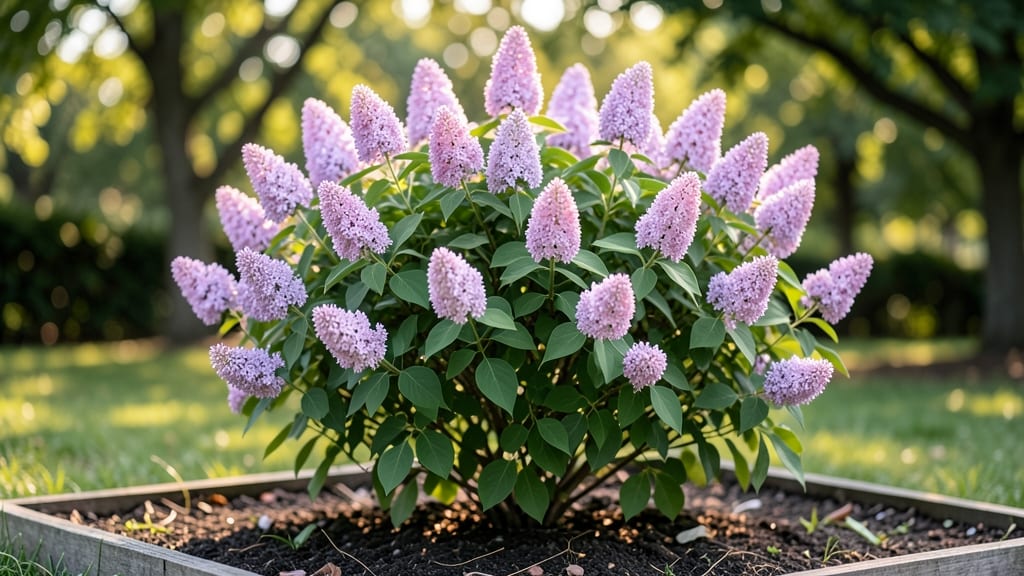
Miss Kim lilacs burst into fragrant purple spikes just as spring’s best blooms are fading—typically in late April to early May in most of the U.S., but timing shifts dramatically by zone. 🌸 I’ve watched mine go from tight buds to cascading clusters in under two weeks, and the scent lingers like a secret perfume through the garden.
What makes this variety special isn’t just the color (a stunning, almost violet hue) but how reliably it blooms year after year, even when other lilacs skip a season.
The key to predicting bloom time lies in your USDA zone: in Zone 4, expect blooms by mid-May; by Zone 7, they’ll arrive by late April.
Pruning too late in summer (after July) can delay next year’s flowers, while deadheading spent blooms encourages a second, smaller flush in late summer. My Zone 5 plants now bloom for 3-4 weeks thanks to this simple trick—though heavy rain can cut that short.
To extend those purple spikes, focus on sunlight and soil: Miss Kim thrives in full sun (6+ hours daily) and well-draining soil with a slightly alkaline pH.
A late-winter pruning (just after the first frost) removes dead wood and shapes the shrub, while a balanced fertilizer in early spring fuels the blooms. The payoff? A shrub that smells like spring’s last hurrah and keeps coming back bigger each year.
Regional tweaks matter: Southern gardeners (Zones 6-9) might see blooms as early as March, while northern growers (Zones 3-5) should expect a 2-week delay.
Mulching in fall and watering deeply during droughts keeps roots happy—so the shrub can focus all its energy on those showstopping, fragrant spikes instead of struggling to survive.
📚 In This Guide
- What you need
- Instructions
- Tips and common mistakes
- Wrapping up and next steps
What you need
- ● Miss Kim Lilac Plant: 1 mature plant (3-5 years old for best blooming potential) or 1-2 young nursery-grown plants (1-2 gallons in size).
- ● Well-draining soil: 5-10 bags (2 cubic feet each) of a mix of garden soil, compost, and perlite (ratio: 60% soil, 30% compost, 10% perlite).
- ● Fertilizer: Slow-release granular fertilizer (10-10-10 or 12-12-12, 5 lbs)
- ● Organic bloom booster (fish emulsion or kelp meal, 1 quart)
- ● Mulch: 3-5 bags (2 cubic feet each) of wood chips or shredded bark.
- ● Pruning shears: 1 pair (bypass pruners, sharp and sterilized).
- ● Garden gloves: 1 pair (nitrile-coated for durability).
- ● Trowel: 1 medium-sized (for planting and soil amendments).
- ● Watering can or hose with adjustable nozzle: 1 (for gentle hydration).
- ● Measuring tape or ruler: 1 (to monitor plant height and spacing).
- ○ pH testing kit (optional but recommended): 1 (to ensure soil pH is 6.0-7.0).
- ○ Stakes or plant supports (optional): 2-3 (for young plants to prevent flopping).
- ● A sunny location with at least 6-8 hours of direct sunlight daily.
- ● Space for the plant to grow: Miss Kim Lilacs mature at 6-10 feet tall and 6-10 feet wide—ensure 8+ feet of clearance from structures or other plants.
- ● Patience! Lilacs may take 2-3 years to reach peak blooming glory after planting.
How to time Miss Kim lilac blooms for peak fragrance and color
Here's how I ensure my Syringa pubescens 'Miss Kim' delivers those legendary purple spikes at their absolute best.
🌱 Step 1: Understand the Plant’s Natural Bloom Cycle
The first thing to know is that Miss Kim lilacs bloom later than common lilacs, typically between mid-to-late May in most climates. Unlike their spring-blooming relatives, these lilacs thrive in USDA Zones 4-8 and often produce a second flush of blooms in early summer if the first flush is removed promptly.
I always check my local hardiness zone and average last frost date—this helps me time pruning and fertilizer applications perfectly. For example, in Zone 5, I know to expect blooms around Memorial Day weekend. The key is patience; these lilacs reward careful attention with longer bloom periods than standard lilacs.
☀️ Step 2: Optimize Sunlight and Soil for Extended Blooming
Miss Kim lilacs need full sun to partial shade—at least 6 hours of direct sunlight daily for peak performance. I plant mine where they get morning sun and afternoon shade, which prevents leaf scorch while maximizing bloom production. The soil should be well-draining but consistently moist, with a slightly acidic to neutral pH (around 6.0-7.0).
I amend the planting hole with 2-3 inches of compost and a handful of bone meal at planting time. This gives the lilac a phosphorus boost, which encourages strong root and flower development. Mulch with 2-3 inches of organic mulch (like shredded bark) to retain moisture and regulate soil temperature—critical for consistent blooming.
✂️ Step 3: Prune Strategically After the First Bloom Flush
The secret to getting those stunning second blooms lies in proper pruning. After the first flush of flowers fades (usually 4-6 weeks after initial bloom), I remove the spent flower spikes by cutting back to the first set of healthy leaves below the bloom. This encourages the plant to produce new growth that will flower again in early summer.
I never prune in late summer or fall—this removes next year’s flower buds. Instead, I wait until late winter or early spring (just before new growth begins) to shape the plant. Remove any dead, diseased, or crossing branches, and thin out crowded growth to improve airflow. This keeps the plant healthy and ensures vibrant blooms year after year.
💧 Step 4: Water and Fertilize for Continuous Bloom Power
Consistent moisture is key—Miss Kim lilacs need 1-1.5 inches of water weekly, especially during dry spells. I water deeply at the base of the plant, avoiding the foliage to prevent fungal diseases. The soil should feel moist but not soggy; I check by sticking my finger 2 inches into the soil. If it’s dry, it’s time to water.
Fertilize in early spring with a balanced, slow-release fertilizer (like 10-10-10) to support new growth. I avoid high-nitrogen fertilizers, which promote leafy growth at the expense of flowers. A light feeding in mid-summer with a low-nitrogen, high-phosphorus formula (like 5-10-5) helps sustain those second blooms. Always water after fertilizing to prevent root burn.
⏰ Step 5: Extend the Bloom Season with Simple Care
To keep those fragrant purple spikes lasting longer, I deadhead individual flowers as they fade—this redirects the plant’s energy to producing new blooms instead of seed pods. I also monitor for pests like aphids or spider mites, which can stress the plant. A strong spray of water usually removes aphids, and neem oil works well for mites if needed.
Here’s the thing—Miss Kim lilacs often bloom later in the season than other varieties, so I don’t rush to prune or fertilize. By the time the first blooms appear, I’ve already set the stage for a spectacular display. The result? A garden that smells like spring long after other lilacs have faded.
Tips & tricks for perfect Miss Kim lilac bloom timing
These pro-level insights will help you coax out the most spectacular, fragrant blooms from your Syringa pubescens 'Miss Kim'—the kind that make neighbors jealous and fill your garden with that intoxicating perfume.
Bloom Timing Precision: The mid-to-late May window mentioned in Step 1 is your target, but don't stress if your climate varies. In cooler Zones 4-5, I've seen first blooms push into early June—just track your last frost date and count backward from Memorial Day weekend. If you're in Zone 6-8, you might see blooms as early as mid-May. The key is patience: these lilacs reward gradual acclimation to spring warmth.
Sunlight Strategy: That 6 hours of direct sunlight in Step 2 is non-negotiable, but here's the secret: position your lilac to catch morning sun and afternoon shade. I've noticed my plants in full afternoon sun develop leaf scorch by midday, while those with morning sun only stay perfectly vibrant. For containers, rotate them weekly to ensure even exposure—this prevents lopsided growth that can reduce bloom quality.
Pruning Payoff: The 4-6 week window after first bloom for pruning (Step 3) is when you create next year's flowers. I always use sharp, sterilized pruners and make clean cuts just above a leaf node. Pro tip: if you miss this window, don't panic—just wait until late winter/early spring shaping (as instructed) and still get beautiful blooms, though you might lose the second flush.
Watering Wisdom: The 1-1.5 inches weekly guideline in Step 4 is perfect, but here's how I do it: I water deeply every 4-5 days rather than daily shallow watering. This encourages deep root growth, which translates to stronger stems that support more blooms. I check moisture by pushing my finger 2 inches into soil—if it feels dry at that depth, it's time to water. Mulch helps maintain this moisture without overwatering.
Pro Tips for Miss Kim Lilac Bloom Time
- These pro-level insights will help you coax out the most spectacular, fragrant blooms from your Syringa pubescens 'Miss Kim'—the kind that make neighbors jealous and fill your garden with that intoxicating perfume.
- Bloom Timing Precision: The mid-to-late May window mentioned in Step 1 is your target, but don't stress if your climate varies.
- Sunlight Strategy: That 6 hours of direct sunlight in Step 2 is non-negotiable, but here's the secret: position your lilac to catch morning sun and afternoon shade.
Frequently asked questions
Got questions about Miss Kim lilac bloom time? You’re not alone—this fragrant favorite has gardeners buzzing! Here are the most common queries, answered for your planning convenience.
When is the best time to plant Miss Kim lilacs for optimal blooms?
Plant Syringa × 'Miss Kim' in early spring or fall (3–4 weeks before the first frost). This timing lets roots establish before summer heat or winter cold stress. Avoid planting in summer—roots can dry out, delaying blooms for 1–2 years.
Why aren’t my Miss Kim lilacs blooming on schedule?
Common culprits include:
- Improper pruning: Prune after blooming (late summer) to avoid cutting off next year’s flower buds.
- Poor sunlight: Needs 6+ hours of sun daily. Shady spots delay or reduce blooms.
- Young age: Lilacs take 2–3 years to reach peak bloom after planting.
- Nutrient deficiency: Amend soil with compost or a balanced fertilizer (10-10-10) in early spring.
Can Miss Kim lilacs bloom twice in one season?
While rare, some Miss Kim lilacs may produce secondary blooms in late summer if pruned correctly. To encourage this:
- Prune lightly right after the first flush (June) to remove spent flowers.
- Fertilize with low-nitrogen, high-phosphorus (e.g., 5-10-5) to support reblooming.
- Ensure consistent moisture—drought stress can halt blooms.
What’s the best way to extend Miss Kim lilac bloom time?
Boost longevity with these tips:
- Water deeply 1–2 times weekly (1 inch total) during dry spells.
- Mulch with 2–3 inches of organic mulch (wood chips) to retain moisture and regulate soil temp.
- Avoid heavy pruning—focus on shaping after blooms fade.
- Plant near other early bloomers (e.g., daffodils, tulips) to attract pollinators and prolong the show.
Are there alternatives to Miss Kim lilacs with similar bloom times?
If you love Miss Kim’s late spring/early summer blooms (May–June), try these:
Plant
Bloom Time
Height
Fragrance
Dwarf Korean Lilac (Syringa meyeri)
May–June
4–6 ft
Moderate
Common Lilac (Syringa vulgaris)
May–June
6–12 ft
Strong
Butterfly Bush (Buddleia davidii)
June–August
5–10 ft
Light
Weigela (Weigela florida)
May–June (reblooms)
4–6 ft
Mild
Pro tip: Pair Miss Kim with clematis or peony for a layered, long-blooming display!
Wrapping up and next steps
Watching Miss Kim lilacs burst into fragrant purple spikes is a true garden highlight—one that rewards patience with breathtaking beauty! 🌸 Their late spring bloom time offers a stunning finale to the season, and with the right care, you can enjoy their elegance year after year.
Whether you’re a seasoned gardener or just starting out, these lilacs are a fantastic addition to any landscape.
Now that you’re armed with the know-how, why not take the next step? Grab some cuttings, plant a few, and savor the sweet, intoxicating scent as they bloom. Your garden (and your neighbors!) will thank you.