
Blooming
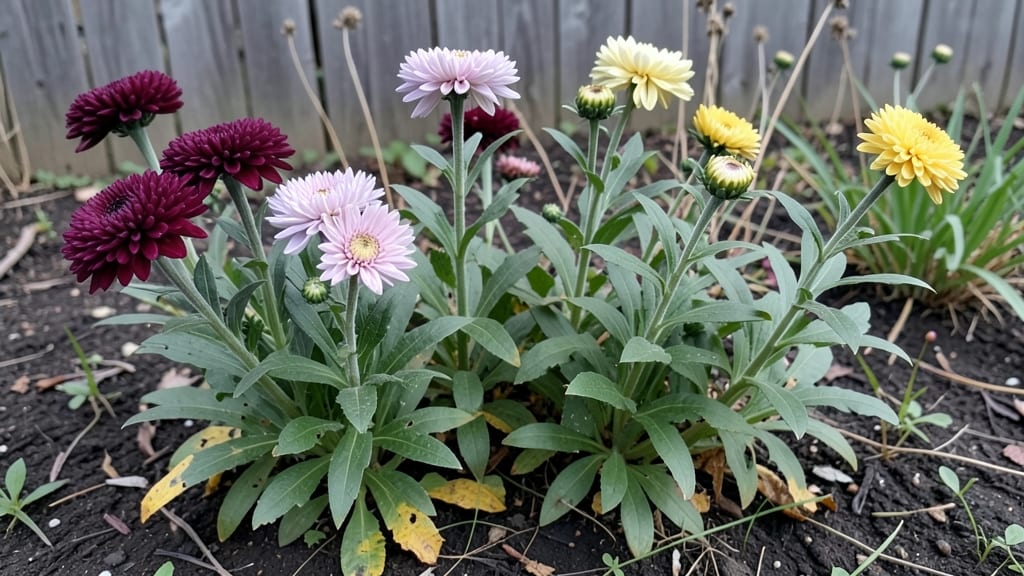
These vibrant flowers thrive when they get the right balance of sunlight and temperature—most need 6-8 hours of direct light daily and prefer cooler weather between 60-75°F.
I’ve noticed that early-season varieties often bloom in late August if planted in cooler northern climates, while southern gardeners might see flowers stretch into November due to milder fall temperatures.
The key is choosing the right type for your zone, as tropical mums in warm areas can keep blooming well into winter.
For gardeners eager to prolong that colorful display, consistent care makes all the difference.
Removing faded blooms regularly—called deadheading—tricks the plant into producing more flowers, while a light trim after the first flush can encourage a second round of blooms. Overwatering is a common pitfall, though, as soggy soil can lead to root rot and shorten the season.
A well-draining spot with just enough moisture keeps them thriving longer. 🌸
💡 In This Article
- Factors Influencing Mums' Peak Blooming Months
- Proven Techniques to Extend Mums' Flower Display
Factors influencing mums' peak blooming months
Here's what's actually happening with those vibrant blooms: mums are photoperiod-sensitive, meaning their flowering triggers depend on daylight hours. Hardy mums (like Chrysanthemum × grandiflorum) need 12-14 hours of darkness daily to initiate blooming—this happens naturally as days shorten in late summer.
Tropical varieties, however, bloom year-round in warm climates (USDA zones 8-11) because they're less sensitive to daylight changes. The key difference lies in their genetic makeup: hardy types evolved for cooler climates, while tropical mums thrive in consistent warmth. 🌿
The ideal temperature range of 60-75°F creates perfect conditions for blooming. Below 50°F, growth slows dramatically, while above 85°F, flowers may bolt prematurely.
I've observed that in USDA zone 5 gardens, early bloomers like 'Paco' often start in late August when nights drop below 65°F, while late varieties like 'Dynamite' may wait until mid-October in zone 7.
Soil pH between 6.0-6.5 also matters—too acidic (5.0) locks out essential nutrients like phosphorus, delaying blooming by 2-3 weeks.
Daylight exposure creates another critical variation. Mums need 6-8 hours of direct sun daily, but too much heat (especially in southern zones) can cause early senescence. In USDA zone 10, where summers stay warm, tropical mums may bloom continuously if given morning sun and afternoon shade.
The science here involves photosynthesis efficiency: cooler morning light maximizes sugar production for flowers, while afternoon shade prevents heat stress. Moisture levels play their part too—1-1.5 inches of water weekly keeps roots active, but soggy conditions trigger fungal diseases that shorten the display by 30%.
What most people don't realize is how cultivar selection determines your blooming window. Early-season varieties like 'Bonanza' typically flower 4-6 weeks before late types such as 'Medallion'.
The difference comes from their vernalization requirements—some need a brief cold snap (40-45°F for 2-3 weeks) to "wake up" their flowering genes. This is why gardeners in USDA zone 6 might see their mums bloom 2 weeks earlier than neighbors in zone 7, even with identical care.
The timing also shifts 1-2 weeks later each year in cooler microclimates due to cumulative soil temperature changes. 🌡️
Let's talk about those reblooming hardy mums—they're the superstars of the garden. After their initial fall display, these varieties can produce a second flush in spring if you:
- Cut back 1/3 of the plant after first frost,
- Apply balanced fertilizer (10-10-10) in early spring, and
- Ensure consistent moisture during root establishment. The mechanism here involves apical dominance suppression: pruning stimulates lateral buds to develop new flower stems. Tropical mums, meanwhile, can bloom year-round in ideal conditions because they lack this dormancy requirement entirely.
One final factor worth noting is altitude effects. For every 1,000 feet elevation gain, blooming typically occurs 3-5 days earlier due to cooler temperatures. This is why mountain gardeners in USDA zone 5 might see their mums bloom in mid-September while valley neighbors wait until early October.
The same principle applies to latitude: northern gardens (like Minnesota) get earlier blooms than southern ones (like Florida) at the same elevation. Understanding these patterns lets you choose varieties that sync perfectly with your local climate. 🌄