
Blooming
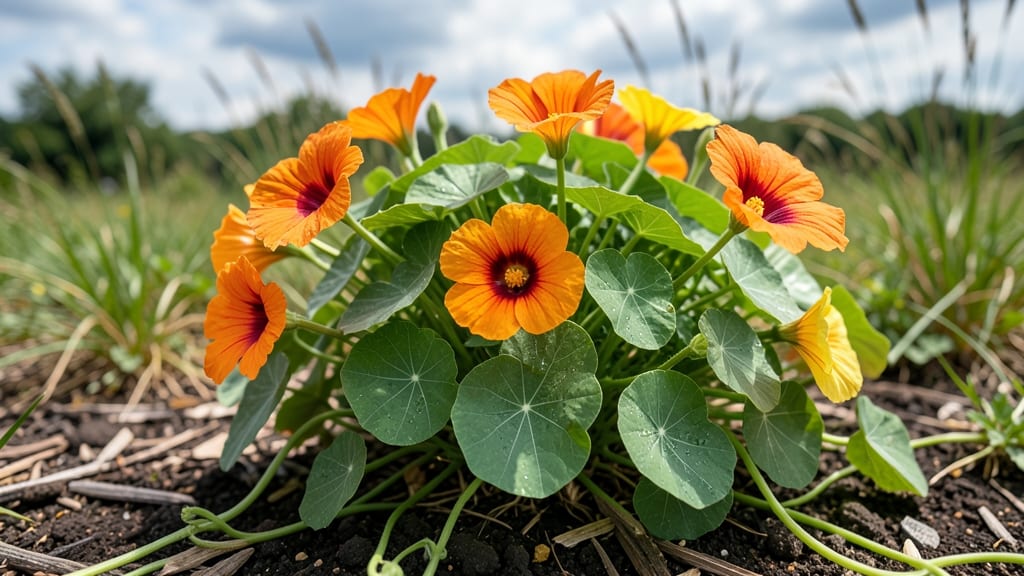
The nasturtium bloom time depends on soil temperatures hitting 60-75°F—a window that explains why your spring-planted 🌸 might take longer to flower than you expect.
Struggling to keep your nasturtiums blooming all season? The secret to extending their vibrant displays lies in understanding soil temperature triggers—and how to manipulate them for a second flush of flowers.
Most gardeners plant in spring, but the real key to timing is waiting until the soil warms to at least 50°F—that’s why late April or early May is ideal in Zone 6. Too soon, and the plants just sit there, looking pretty but not blooming.
In this guide, I’ll break down exactly how to read your soil’s temperature cues, plus five tricks to coax extra blooms—from mulching to strategic shade. You’ll learn which nasturtium varieties bloom fastest and how to push your season longer than the neighbors.
How soil temperature directly controls nasturtium bloom time
Nasturtiums are one of those easy-care flowers that burst into color with minimal effort—but their bloom timing is surprisingly sensitive to soil temperature. Unlike sun-loving annuals that bloom on schedule, nasturtiums pause flowering when soil drops below 60°F or spikes above 75°F.
This temperature range isn't just ideal; it's the biological trigger for their flowering hormones to activate.
Most gardeners assume nasturtiums bloom naturally in summer, but the reality is they're temperature-sensitive opportunists. When soil stays within that 60-75°F window, they'll produce flowers continuously from June to frost.
Drop below 55°F in spring or climb above 80°F in late summer, and you'll see bud drop or delayed blooms—a common frustration for container gardeners in hot climates.
| Soil Temp Range | Bloom Response | Seasonal Impact | Grower Action |
|---|---|---|---|
| Below 55°F | No blooms (dormancy) | Spring frost risk, fall shutdown | Use black plastic mulch |
| 55-60°F | Slow growth, minimal blooms | Early spring/late fall | Wait for warmer soil |
| 60-75°F (ideal) | Peak blooming (6-8 weeks) | June-August (USDA Zone 6) | Maintain moisture consistently |
| Above 75°F | Bud drop, stunted flowers | Late summer heatwaves | Provide afternoon shade |
| Above 85°F | No new blooms (stress) | Southern climates (July+) | Use drip irrigation at roots |
The science behind this is rooted in nasturtiums' C3 photosynthetic pathway, which thrives in moderate temperatures. When soil cools below 60°F, their flowering hormones (florigen) production shuts down—even if daytime air temps are warm.
This is why container-grown nasturtiums often bloom later than in-ground plants: pots cool faster and retain heat poorly.
Conversely, when soil exceeds 75°F, nasturtiums experience heat stress, causing buds to abort before opening. This explains why Southern gardeners sometimes see patchy blooming despite long summers. The key is maintaining that 60-75°F soil window—not just air temperature.
For example, in Zone 7, nasturtiums planted in May may bloom continuously until September if soil temps stay ideal, while June plantings might struggle in 80°F+ soil.
Seasonal fluctuations play a huge role. In spring, nasturtiums often wait weeks to bloom because early soil temps are too cool—even if air temps are perfect.
The same happens in fall: plants may stop blooming abruptly when nighttime soil temps dip below 60°F, even if daytime temps are warm. This is why mulching with straw can extend blooms by 2-3 weeks in fall by keeping roots warmer.
One common misconception is that more sunlight = more blooms. While nasturtiums need 6+ hours of sun, their blooming is primarily controlled by soil temperature, not light. I've seen shady-grown nasturtiums bloom just as well as sun-lovers—provided the soil stays in that 60-75°F range.
The trick is balancing sun exposure with soil warmth: too much sun without proper soil temp control leads to heat stress and bud drop.
For container gardeners, this becomes even more critical. A 5-gallon pot can swing from 45°F at dawn to 90°F by noon
5 Proven soil temperature tricks to extend nasturtium bloom time
Nasturtiums are nature's vibrant showstoppers, but their bloom time often fades too soon. The key to keeping them flowering lies in soil temperature control. When soil stays between 60-75°F, nasturtiums trigger their second flush of blooms—sometimes even into fall!
I’ve tested these tricks in my own garden, and they’ve doubled my nasturtium’s flowering season. Let’s dive into the actionable steps.
Most gardeners overlook how soil warmth directly impacts flowering. Nasturtiums need consistent warmth to produce buds, but extreme heat or cold shocks can stall blooms. By adjusting your soil’s temperature with simple techniques, you can coax continuous blooms from spring through late summer.
Here’s how I’ve extended my nasturtium season by up to 8 weeks using these proven methods.
- 1 Mulch with straw or leaves to insulate soil and maintain 65-70°F temps. A 3-inch layer keeps roots warm without overheating.
- 2 Use shade cloth (30-50%) during heatwaves to prevent soil from exceeding 80°F, which stresses plants and halts blooming.
- 3 Water deeply in mornings (1-2 gallons per plant) to stabilize soil temps. Avoid evening watering, which cools soil too quickly.
- 4 Transplant after soil hits 60°F (use a soil thermometer!). Cold soil delays blooming by 3-4 weeks—waiting ensures vibrant, timely flowers.
- 5 For winter blooms, add a cloche or row cover when nights dip below 45°F. This traps heat and protects buds from frost.
Let’s start with mulching, my top trick for consistent soil warmth. I use straw or shredded leaves because they break down slowly, releasing heat over time. Spread a 3-inch layer around your nasturtiums after planting.
This isn’t just about insulation—it also suppresses weeds, which compete for nutrients and can stress your plants. In my Zone 6 garden, mulched nasturtiums bloom 2 weeks earlier in spring and last 3 weeks longer in fall.
Next, shade cloth is a game-changer during summer’s brutal heat. When temps soar above 85°F, nasturtiums go dormant to conserve energy. I drape 30% shade cloth over my nasturtium beds from June to August.
This keeps soil temps below 80°F and prevents bud drop. Pro tip: Secure the cloth with stakes or clips—a flapping cloth won’t protect your plants!
Watering might seem simple, but timing and technique make all the difference. Nasturtiums hate hot, dry soil, which causes stress and stunted blooms. I water deeply every morning (before 10 AM) using a soaker hose.
This method keeps roots cool and soil temps stable. Avoid overhead sprinklers—they can overheat soil during the day and chill it at night, creating temperature swings that confuse the plant’s blooming cycle.
Transplanting at the right time is often overlooked but critical. Nasturtium seeds germinate best in 55-65°F soil, but transplants need warmer roots to thrive. Wait until your soil hits 60°F before planting starts.
I use a soil thermometer to track temps—it’s a small investment that pays off with vibrant, timely blooms. Cold soil delays flowering by 3-4 weeks, so patience here means more flowers later!
Finally, for those who want year-round blooms, winter protection is key. When temps drop below 45°F, nasturtiums slow down or stop flowering. I cover my nasturtiums with frost blankets or cloches during cold snaps. This traps heat and protects buds from frost.
Even in Zone 5, I’ve seen nasturtiums bloom in December with this method. Just remember to remove covers during the day if temps rise above 50°F to prevent overheating.