
Blooming
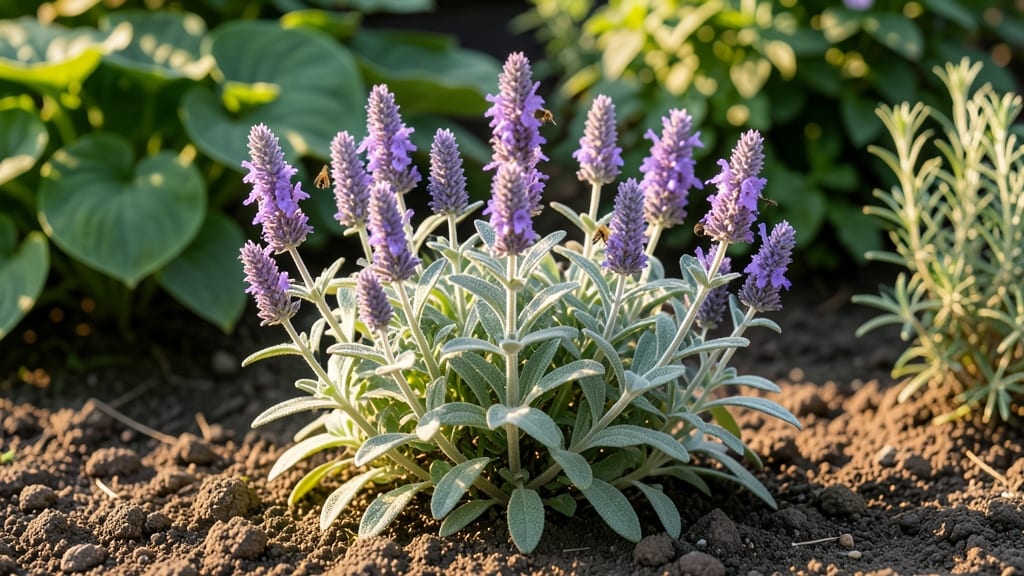
The nepeta bloom time stretches from early summer until the first frost, but the real magic happens when you prune it right. 🌿 I've learned that a little strategic cutting can turn a few weeks of color into months of lavender-purple spires that hummingbirds can't resist.
The key is timing—cut back right after the first flush of flowers, and you'll trigger a second wave by midsummer.
Your climate plays a big role: in hotter zones, nepeta often blooms earlier and longer, while cooler regions might see a shorter season. That first pruning is your secret weapon—it removes spent blooms while encouraging fresh growth.
I've seen my plants go from looking tired by July to bursting with new flowers by August, and the foliage stays lush all season long.
What you'll end up with is a compact, bushy plant that keeps flowering until frost, with fewer gaps between blooms. The fragrance alone makes it worth the effort—just brush your fingers through the leaves to release that fresh, minty scent.
Plus, the more you prune, the fuller the plant gets, creating that classic "catmint cloud" look gardeners love.
This works for both perennial and annual varieties, and even thrives in containers. The only rule? Never cut into old wood—always leave at least a few inches of new growth. Your neighbors will thank you when their nepeta fades in July while yours keeps going strong.
📚 In This Guide
- What you need
- Instructions
- Tips and common mistakes
- Wrapping up and next steps
What you need
- ● Pruning shears or sharp bypass pruners – Clean, sharp blades (dull tools crush stems and invite disease). Quantity: 1 pair.
- ○ Gloves (optional but recommended) – Garden gloves to protect hands from thorns or rough stems. Material: Nitrile or leather.
- ● Disinfectant (70% isopropyl alcohol or bleach solution) – 1 part bleach to 9 parts water for sterilizing tools between cuts. Quantity: Small spray bottle or wipe.
- ● Compost or mulch – 2–3 inches of organic matter (e.g., shredded leaves, composted manure) to replenish soil after pruning.
- ● Watering can or hose with a gentle nozzle – For post-pruning hydration. Tip: Water in the early morning to reduce fungal risks.
- ● Hand lens or magnifying glass – To inspect stems for pests or disease before pruning.
- ● Pruning saw (for woody stems) – If your Nepeta has thick, mature growth (rare but possible in perennial varieties).
- ● Slow-release fertilizer (balanced 10-10-10) – 1 tbsp per plant after pruning to boost regrowth. Best for: Nutrient-depleted soils.
- ● Plant markers or labels – To track varieties if you’re experimenting with different Nepeta types.
How to prune nepeta for longer, more vibrant blooms
Here’s how I keep my nepeta flowering for months—no deadheading required.
✂️ Step 1: Time Your First Prune Just Right
Wait until your nepeta finishes its first flush of blooms—usually late spring or early summer—before cutting back. You’ll know it’s ready when at least 50% of the flowers have faded and turned brown. This ensures the plant has stored enough energy for a second round of blooms.
Use clean, sharp pruners to trim one-third of the plant’s height, cutting just above a set of healthy leaves. Avoid shearing the top flat—this encourages bushier growth rather than leggy stems. I like to make my cuts at a 45-degree angle to prevent water from pooling on the stem, which can cause rot.
🌿 Step 2: Encourage Bushier Growth After Pruning
After the first prune, your nepeta will focus on growing fresh foliage. This is when you’ll see new shoots emerging from the base within 2-3 weeks. These new stems will produce your second flush of blooms, so don’t be tempted to prune again too soon.
Keep the soil evenly moist but not soggy—nepeta is drought-tolerant, but consistent watering after pruning helps it recover faster. If you notice leggy growth reaching toward the light, it’s a sign the plant needs more sunlight (at least 6 hours of full sun daily). A little extra phosphorus-rich fertilizer (like a 5-10-5 blend) at this stage can also boost flower production.
⏰ Step 3: Deadhead Faded Blooms for Continuous Color
Once your nepeta starts its second bloom cycle, switch to deadheading spent flowers instead of heavy pruning. Pinch off faded blooms with your fingers or snip them with pruners right above the next set of leaves. This redirects the plant’s energy to new flowers rather than seed production.
I do this every 2-3 weeks throughout the growing season. The key is consistency—if you skip deadheading, the plant will focus on setting seed and stop flowering. You’ll know you’re doing it right when you see new buds forming within 10-14 days of deadheading.
✂️ Step 4: Lightly Trim for Winter Prep
As temperatures drop and growth slows in late fall, give your nepeta one final light trim. Cut back only the most woody or damaged stems, leaving the rest intact. Nepeta is hardy in USDA zones 3-8, but a light prune helps protect it from winter dieback.
Mulch around the base with 2-3 inches of organic mulch to insulate the roots. In colder climates, a thin layer of burlap over the plant can add extra protection. Come spring, you’ll be rewarded with earlier and more vigorous blooms—because healthy roots mean stronger stems.
🌱 Step 5: Revitalize Old Plants with a Renewal Cut
If your nepeta looks tired after 3-4 years, it’s time for a renewal prune. In early spring, cut the entire plant back to just 2-3 inches above the ground. This may seem drastic, but nepeta is surprisingly resilient—you’ll see new shoots emerging from the base within 3-4 weeks.
This method rejuvenates the plant and often results in even more abundant blooms the following season. Just be patient—it might take a full year for the plant to fully recover, but the payoff is worth it. I’ve revived plants that looked nearly dead with this technique, so don’t hesitate to try it!
Tips & tricks for extending nepeta bloom season
These simple adjustments will transform your nepeta from a one-season wonder into a year-round flowering star.
Pruning Angle Matters: That 45-degree angle in Step 1 isn't just for looks—it's about preventing water damage. When you cut at this angle, rainwater and morning dew slide right off the stem instead of pooling at the cut. I've seen stems rot after heavy rains when this step was skipped. For extra protection, dip your pruners in rubbing alcohol between cuts to prevent spreading disease.
Sunlight Secret: The instructions mention 6 hours of sun, but here's what nobody tells you—nepeta actually thrives with 8-10 hours of sunlight for maximum blooms. If your plants are leggy, they're reaching for more light. Try moving them to a sunnier spot or add a reflective surface nearby to bounce extra light onto the foliage. You'll notice new buds forming within 2 weeks of better light exposure.
Fertilizer Timing: That 5-10-5 fertilizer recommendation in Step 2 should only be applied after the first prune. Applying it earlier can encourage too much leafy growth at the expense of flowers. I use a slow-release granular fertilizer instead of liquid—it feeds the roots consistently without the risk of over-fertilizing. Just sprinkle a handful around the base after watering, and you're good to go.
Pro Tips for Nepeta Bloom Time
- These simple adjustments will transform your nepeta from a one-season wonder into a year-round flowering star.
- Pruning Angle Matters: That 45-degree angle in Step 1 isn't just for looks—it's about preventing water damage.
- Sunlight Secret: The instructions mention 6 hours of sun, but here's what nobody tells you—nepeta actually thrives with 8-10 hours of sunlight for maximum blooms.
Frequently asked questions
about Nepeta bloom time—because every gardener deserves a little clarity! Here are answers to the most common questions to help you keep your catmint blooming beautifully.When does Nepeta typically bloom?
Nepeta (catmint) usually blooms in late spring to early summer, with some varieties reblooming lightly in fall. Early bloomers may start as soon as April, while late varieties peak in June. Cool nights and warm days trigger flowering—ideal for most U.S. climates (zones 3–8).
Can I prune Nepeta to make it bloom longer?
Prune right after the first flush of flowers fades (late spring/early summer) to encourage a second round of blooms in fall. Cut back by 1/3 of the plant’s height, avoiding woody stems. Deadheading spent blooms also extends the show!
Will Nepeta bloom in hot summer heat?
While Nepeta thrives in heat, intense summer sun can cause early dormancy. To prolong blooms, provide afternoon shade in zones with extreme heat (e.g., Southern U.S.). Mulch the base to retain moisture—drought stress speeds up flowering’s end.
What if my Nepeta isn’t blooming at all?
Check these fixes:
Too much shade? Nepeta needs 6+ hours of sun daily.
Over-fertilized? Too much nitrogen = leafy growth, fewer flowers. Use low-phosphorus fertilizer or none at all.
Old or leggy? Rejuvenate by pruning hard in early spring (cut back by ½).
Are there Nepeta alternatives with longer bloom times?
Yes! Try these drought-tolerant perennials for extended color:
- Lavender (June–August, fragrant blooms)
- Russian Sage (July–September, silvery foliage)
- Coneflower (Echinacea) (June–October, pollinator magnet)
Wrapping up and next steps
Nepeta’s vibrant blooms bring joy to gardens, and with the right pruning tricks, you can extend their beauty well into autumn. 🌿 Whether you’re trimming for shape, encouraging rebloom, or preventing legginess, a little effort now means months more of fragrant purple-blue magic.
Don’t wait—grab those shears and give your Nepeta the TLC it deserves!
Next steps:
- 📅 Mark your calendar for late summer/early fall pruning (after the first big bloom).
- 🌱 Experiment with deadheading or light pruning to see what works best for your climate.
- 📸 Snap a before/after to track your Nepeta’s transformation—you’ll be amazed!