
Blooming
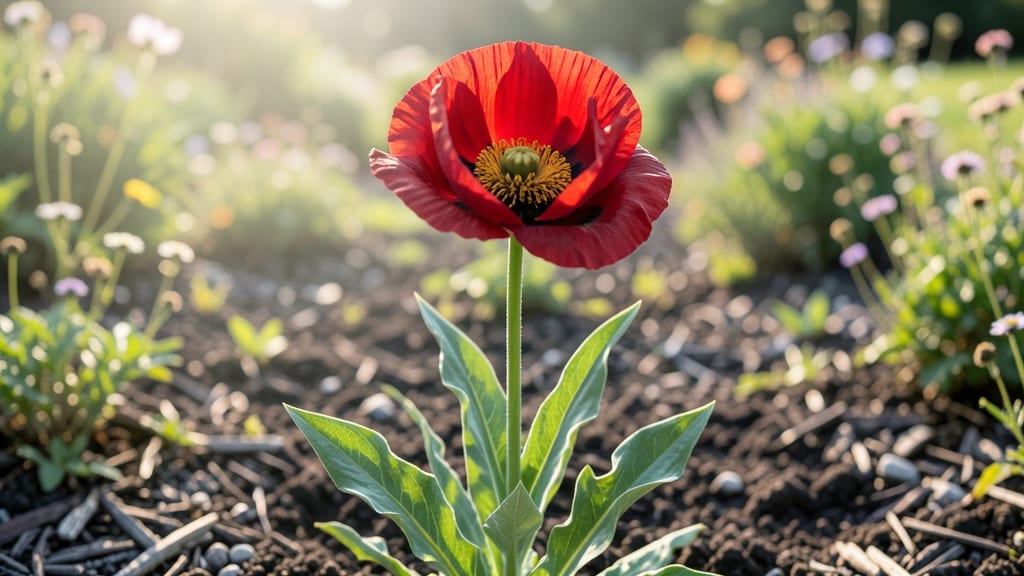
Oriental poppies bloom time: natural seasonal cycles and climate dependencies
Oriental poppies (Papaver orientale) are famous for their dramatic, cup-shaped blooms that appear like magic in late spring to early summer. But their bloom time isn’t set in stone—it varies based on your climate zone, sunlight exposure, and even the specific variety you’ve planted.
Understanding these factors helps you predict when to expect those show-stopping flowers and how to extend their season.
In most regions, oriental poppies bloom between May and June, with some early varieties pushing into late April and late bloomers lasting until early July.
However, gardeners in warmer climates (USDA zones 7-8) often see blooms shift slightly earlier, while those in cooler zones (USDA 3-5) may experience a later start due to slower soil warming.
One of the biggest misconceptions about oriental poppies is that they bloom just once and then fade away. While their primary bloom period is typically 4-6 weeks, many varieties can produce a second, smaller flush of flowers later in the season if given the right care.
The key is to mimic their natural dormancy cycle—these plants are native to rocky, Mediterranean climates where they experience hot, dry summers.
If you live in a hot, dry climate, your oriental poppies may naturally enter summer dormancy after their first bloom, with foliage turning yellow and wilting. This isn’t a sign of failure—it’s their way of conserving energy.
In cooler or wetter regions, however, they may stay green and require more attention to prevent fungal issues or leggy growth.
To predict your local bloom window, start by checking your last frost date (oriental poppies won’t tolerate freezing). Plant seeds or transplants 2-3 weeks before your last frost for early blooms, or wait until after the first flush if you prefer a staggered display.
For example, in USDA zone 5, seeds planted in early April often bloom by early June, while zone 8 gardeners might see flowers as early as late April.
Don’t overlook the role of soil preparation—oriental poppies thrive in well-draining, slightly alkaline soil (pH 7.0-8.0). Heavy clay or soggy soil can delay blooming by weeks, as roots struggle to establish. Amending your soil with compost and coarse sand before planting ensures faster root growth and earlier flowers.
For gardeners in shadier climates, partial shade (3-4 hours of sun) will still produce blooms, but they’ll be smaller and less vibrant. If your garden only gets morning sun, consider planting early-blooming varieties like 'Peach Blossom' or 'Salmon Beauty'—they tolerate slightly less light better than late-season types.
Pro tip: Keep a bloom journal for 2-3 years to track your poppies’ patterns. Note the first and last bloom dates, weather conditions, and any care changes.
Over time, you’ll spot trends—like how a late spring frost in your area might push blooms back by 10 days or how mulching extends the season by 2 weeks.
🌸
How to trigger oriental poppies to rebloom after first flower: proven techniques
Oriental poppies (Papaver orientale) are famous for their dramatic, cup-shaped blooms—but their single-season show can feel like a missed opportunity. The secret to reblooming lies in understanding their natural cycle and giving them the right signals at the right time.
Unlike annual poppies, these perennials can produce a second flush with proper care, especially in USDA zones 3-8 where they thrive.
The key moment arrives right after the first blooms fade. This is when your poppies decide whether to rest or push for another round of flowers. By acting quickly, you can extend their bloom time by 4-6 weeks—sometimes even into early fall.
The process involves three critical actions: deadheading, strategic pruning, and adjusting their care routine to prevent dormancy.
🌸 Step-by-Step Guide to Trigger Reblooming
-
Step 1: Deadhead Immediately After Blooms Fade
Use clean pruners to snip spent blooms just above the first set of leaves. This removes seed heads that trigger dormancy and redirects energy to new buds. Do this every 2-3 days during peak bloom.
-
Step 2: Apply Low-Nitrogen, High-Phosphorus Fertilizer
Switch to a 5-10-10 NPK ratio fertilizer (e.g., bone meal or bloom booster) 2 weeks after deadheading. Phosphorus promotes root and flower development, while avoiding nitrogen prevents leafy growth over blooms.
-
Step 3: Prune Back by 1/3 After First Bloom Cycle
Cut back woody stems by 1/3 using sterilized shears to encourage bushier growth. Focus on the oldest stems first. This step is crucial in zones 5-8 where summers can be hot—it prevents stress.
-
Step 4: Adjust Watering to Encourage New Growth
Water deeply 2-3 times per week (1 inch total) in the morning to prevent fungal issues. Reduce to once weekly once new buds form. Overwatering after pruning can stress the plant and delay reblooming.
-
Step 5: Mulch to Retain Moisture and Cool Roots
Apply a 2-inch layer of organic mulch (straw or shredded bark) to keep roots cool. This mimics their native dry, rocky habitats and prevents soil temperature spikes that trigger dormancy.
One common misconception is that oriental poppies rebloom effortlessly—but they’re sensitive to stress. Skipping deadheading or over-fertilizing can send them into early dormancy. I’ve seen poppies in my zone 6 garden produce three bloom cycles in a single season by following these steps religiously.
The second flush is often smaller but just as vibrant, arriving 6-8 weeks after the first.
For gardeners in warmer climates (zones 7-8), reblooming may extend into October, while those in cooler zones (3-5) should aim for a late summer flush before frost. Pay attention to your plant’s foliage color—healthy leaves stay deep green, while yellowing signals stress (often from overwatering or poor drainage).
Adjust your care immediately if you notice this.
Pro tip: If your poppies are newly planted, wait until their second year to attempt reblooming. First-year energy goes into root establishment, and forcing flowers can weaken them. Patience here pays off—my 3-year-old poppies now bloom from late May through August with minimal effort.
With these techniques, you’ll transform your oriental poppies from a one-hit wonder to a season-long star. The key is acting quickly after the first bloom and giving them the right conditions to recover.
Once you’ve mastered reblooming, you can even experiment with cutting back less aggressively** to see how it affects flower size and quantity.