
Blooming
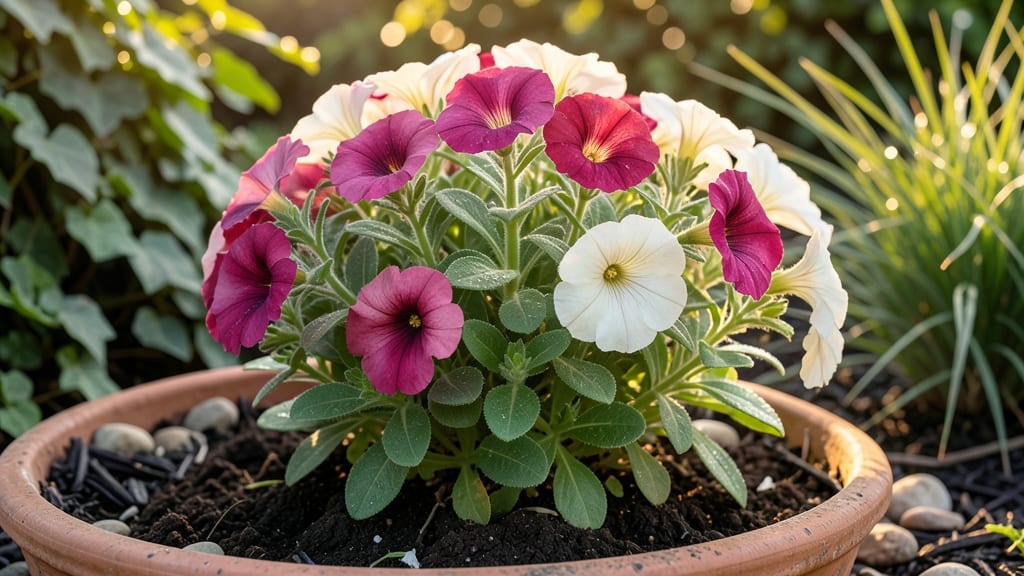
Petunias bloom in 60 to 90 days after planting, turning your garden into a vibrant splash of color from June through September — but only if you time it right.
Ever stared at your petunias wondering why they’re all leaves and no flowers? The answer often lies in planting too early, skipping deadheading, or missing the full-sun window they crave. With the right care, though, you can stretch their bloom time from summer straight into fall.
Annual petunias typically flower within 75 days of planting, while perennial varieties may take slightly longer. Varieties like 'Wave' and 'Supertunia' are bred for long-lasting blooms, but even standard types can thrive with consistent watering and balanced fertilizer.
In this guide, I’ll break down the exact bloom windows by variety, share my top tricks for extending their season, and reveal the one mistake that kills petunias faster than frost.
Petunia bloom time by variety: when to expect flowers
Petunias are summer's superstars, but their bloom time varies dramatically by variety and climate. Most gardeners plant them expecting nonstop color from June to frost, but some varieties bloom earlier or later depending on your USDA zone.
Understanding these differences helps you plan for a longer-lasting display—whether you're in chilly Zone 5 or warm Zone 10.
Annual petunias typically take 60-90 days to flower after planting, while perennial varieties (like Petunia axillaris) may bloom slightly later but return year after year. The key is matching your variety to your region and planting at the right time.
For example, early bloomers like 'Wave Red' start as early as late May in Zone 7, while late-season varieties like 'Supertunia Vista Bubblegum' may not peak until July in Zone 5.
Here’s a quick breakdown of what to expect based on your USDA zone and petunia type. Use this as your guide to timing plantings for a continuous bloom from summer’s start to frost.
| Variety Type | Bloom Window (Zones 5-7) | Bloom Window (Zones 8-10) | Days to Bloom | Notes |
|---|---|---|---|---|
| Early Annuals (e.g., 'Wave Red', 'Tidal Wave Purple') | Late May – Early July | Early May – Late June | 60-75 days | Fastest bloomers; ideal for early-season color. |
| Mid-Season (e.g., 'Supertunia Vista', 'Easy Wave Lavender') | June – September | May – October | 75-90 days | Most popular; longest bloom duration with care. |
| Late Bloomers (e.g., 'Mitchell Diablo', 'Cascadia White') | July – Frost | June – November | 80-100 days | Heat-tolerant; peak in late summer. |
| Perennial (e.g., Petunia axillaris) | June – August (Zone 5) | May – September | 90-120 days | Self-seeds; shorter bloom but returns yearly. |
| Trailing (e.g., 'Supertunia Black Velvet') | June – September | May – October | 70-85 days | Spiller type; longer vines for hanging baskets. |
In cooler climates (Zones 5-6), petunias often need a head start. Start seeds indoors 8-10 weeks before your last frost date, or buy transplants in early May to ensure blooms by mid-summer.
For example, in Zone 5, 'Wave Red' planted in late May will bloom by early July, while 'Supertunia Vista' planted in early June will peak in late July.
Warmer zones (Zones 8-10) enjoy longer bloom seasons. You can plant annual petunias as early as March, with some varieties (like 'Tidal Wave') blooming by April. In Zone 10, petunias may even bloom year-round with minimal frost risk.
However, heat stress can reduce blooming in 100°F+ temperatures, so provide afternoon shade and consistent water.
If you're aiming for a sequential bloom—where flowers appear in waves—plant a mix of early, mid-, and late-season varieties. For instance, combine 'Wave Red' (early), 'Supertunia Vista' (mid), and 'Mitchell Diablo' (late) to ensure color from June to frost.
This strategy works especially well in containers or hanging baskets, where you can rotate plants as needed.
One common mistake is assuming all petunias bloom at the same time. Trailing varieties like 'Supertunia' often take 10-15 days longer to flower than bush types like 'Easy Wave'. Adjust your planting schedule accordingly—trailing types should go in 1-2 weeks earlier than bush varieties to align their bloom times.
For perennial petunias (like Petunia axillaris), bloom times shift based on winter hardiness. In Zone 7 and above, they may bloom as early as May, while in Zone 5, they often wait until June. These types are
How to extend Petunia bloom time with simple gardening hacks
Petunias are summer’s superstars, but their bloom time can feel too short if you’re not using the right tricks. With just a few gardening hacks, you can transform your plants from occasional bloomers into nonstop floral machines that last from June until frost.
The secret? A mix of deadheading, smart fertilizing, and proper watering—all while avoiding common pitfalls that shorten their season.
Many gardeners overlook simple habits that make a huge difference. For example, I’ve seen petunias in containers double their bloom time just by changing when I water them. Even light management plays a role—petunias need full sun, but too much heat without shade can stress them.
Let’s dive into the easiest ways to keep your petunias flowering like crazy all season long.
- 1 Deadhead daily—snip off spent blooms with clean scissors to redirect energy to new flowers. This trick alone can add 3-4 weeks to your petunias’ season.
- 2 Feed every 4 weeks with a balanced fertilizer (10-10-10). Organic options like fish emulsion or compost tea work too—just avoid high-nitrogen feeds, which promote leaves over flowers.
- 3 Water at the base in the morning to prevent fungal diseases. Wet foliage at night is a bloom-killer—it invites powdery mildew, which weakens plants and cuts flowering short.
- 4 Provide afternoon shade in hot climates (Zones 8-10). A lightweight shade cloth or dappled shade from trees can prevent heat stress, which causes buds to drop.
- 5 Prune leggy stems in early summer to encourage bushier growth. Pinch back 1/3 of the plant to trigger more flowering nodes—this works especially well for trailing varieties like ‘Wave’ petunias.
One of the biggest mistakes I see is overwatering. Petunias hate soggy roots, which leads to root rot and fewer blooms. Instead, let the top inch of soil dry out between waterings.
In containers, this means watering every 1-2 days in summer, while in-ground plants need watering every 2-3 days. Always check the soil with your finger—if it’s damp, wait a day.
For organic solutions, try a neem oil spray every 2 weeks to prevent pests like aphids, which sap energy from your petunias. I also mix crushed eggshells into the soil at planting time for a slow-release calcium boost—this helps petals stay strong and vibrant longer.
Even a mulch layer of straw keeps roots cool and retains moisture, reducing your watering chores.
Finally, don’t forget to rotate your containers every few days if growing in pots. Petunias stretch toward the light, and uneven growth can lead to fewer blooms on one side.
A quick spin keeps them balanced and bushy, ensuring flowers appear all around. With these hacks, your petunias will bloom like they’re in a competition garden—not just your backyard.