
Blooming
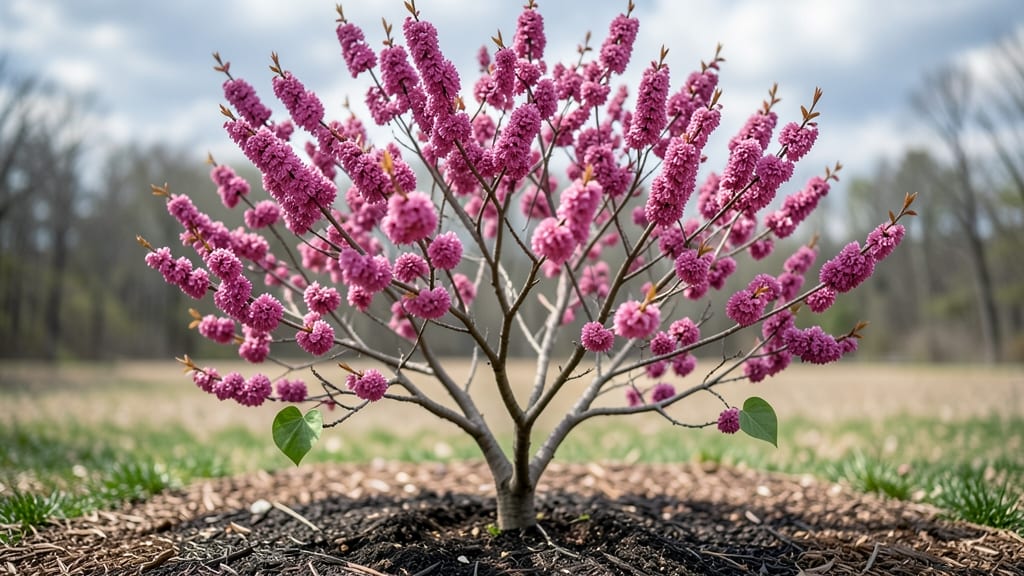
The first pink blush of spring arrives when the redbud bloom time is just right—3 weeks before most trees even think about waking up. 🌸 I’ve watched my backyard redbud transform from bare branches to a cloud of lavender-pink flowers, and it’s always the first sign that winter’s over.
This early bloomer thrives in zones 4-9, with timing shifting from late February in the South to April in the North.
What makes redbuds special isn’t just their timing—it’s how they pair with spring’s other stars. Plant them near daffodils or hellebores to stretch your seasonal color show, or let them anchor a shady border where they’ll bloom before hostas even poke through the soil.
The secret to keeping them flowering reliably? Avoid heavy pruning until after blooms fade—those branches hold next year’s flowers too.
You’ll get 2-3 weeks of nonstop color, but the magic doesn’t end there. After the petals drop, their heart-shaped leaves emerge, turning a rich, velvety green that lasts all summer.
Even the seed pods add texture in fall. The only downside? Deer and rabbits adore them—so protect young trees until they’re established.
For gardeners in cooler climates, a south-facing spot with afternoon shade helps trigger blooms earlier. And if your redbud skips flowers one year? It’s usually just taking a break—give it a year, and it’ll come back stronger than ever.
📚 In This Guide
- What you need
- Instructions
- Tips and common mistakes
- Wrapping up and next steps
What you need
- ● Redbud tree seeds or saplings: 1-3 (choose Cercis canadensis for classic blooms or Cercis canadensis 'Forest Pansy' for deep purple foliage).
- ● High-quality potting soil: 10-20 lbs (look for a mix with 60-70% organic matter for drainage and nutrients).
- ● Well-draining container or garden plot: For containers: 15-25 gallon pots with drainage holes (1 per sapling).
- ● For in-ground planting: A hole twice as wide as the root ball and slightly shallower.
- ○ Compost or slow-release fertilizer: 1-2 lbs (optional but recommended for nutrient boost).
- ● Mulch (pine bark or shredded leaves): 2-3 inches (to retain moisture and regulate soil temp).
- ● Garden trowel or shovel: 1 (for planting and soil prep).
- ● Gloves (gardening or work gloves): 1 pair (to protect hands from thorns and soil).
- ● Watering can or hose with gentle spray nozzle: 1 (redbuds need consistent moisture during establishment).
- ● Pruning shears (sterilized): 1 (for shaping or removing dead branches post-bloom).
- ○ pH testing kit (optional): 1 (ideal soil pH: 6.0–7.0).
- ● Sunlight: Full sun (6+ hours/day) for optimal blooming. Partial shade (<4 hours) tolerates but may reduce flowers.
- ● Climate: Redbuds thrive in USDA Zones 4–9. Plan planting 4–6 weeks before last frost (typically March–April).
- ● Water access: A nearby source for deep watering 2–3 times/week during the first year.
- ● Patience: Saplings take 3–5 years to reach full bloom potential, but container-grown trees may flower sooner!
How to time redbud blooms for peak spring color
Here’s how I predict and extend your redbud’s stunning pink display every year.
☀️ Step 1: Track Winter Chill Hours
Redbuds need 600-900 hours below 45°F to set buds properly. I check my local weather station’s chill hour tracker in late winter—this is your first clue. If your area gets fewer than 600 hours, supplement with a dormant spray of hydrogen peroxide (1 tablespoon per gallon) to boost bud health.
Watch for bud swell in late February or early March—that’s your confirmation the plant has satisfied its chill requirement. Buds will look plump like tiny pink beads along the branches. If they stay tight and brown, your tree needs more cold exposure next winter.
🌱 Step 2: Prune for Better Bloom Visibility
Prune right after blooms fade (May-June) to shape the tree and encourage next year’s flowers. Remove dead, crossing, or inward-growing branches first—these block light and air, which weakens bloom production. I cut back no more than 25% of the canopy at once to avoid stressing the tree.
Thin out dense areas so sunlight reaches all branches. You’ll see buds form more abundantly where light penetrates evenly. Avoid heavy pruning in fall—it stimulates new growth that won’t harden off before winter.
💧 Step 3: Water Deeply in Late Winter
Soak the root zone 6-8 weeks before expected bloom time (usually mid-February in most zones). Redbuds are drought-tolerant but bloom best with deep, infrequent watering. I use a soaker hose for 2 hours to saturate 12-18 inches deep. Check with a trowel—soil should feel moist but not soggy.
Stop watering heavily once buds swell. Overwatering now can cause buds to split or rot. Instead, maintain even moisture—about 1 inch per week—until leaves emerge. Mulch with 2-3 inches of shredded bark to retain moisture and regulate soil temperature.
⏰ Step 4: Monitor Temperature for Bloom Trigger
Redbuds bloom when daytime temps consistently reach 50°F after their chill requirement. I set up a minimum/maximum thermometer near the tree to track daily swings. Blooms typically appear 2-3 weeks after consistent 50°F days, so plan for late March to early April in most regions.
If a late frost threatens (below 28°F), cover the tree with frost cloth at dusk. Pink blooms are stunning but fragile—even light frost can damage them. Remove covers by 10 AM to let sunlight warm the tree naturally.
🌿 Step 5: Feed for Next Year’s Blooms
Apply a balanced 10-10-10 fertilizer in early June, when new leaves are half-grown. Spread ½ pound per inch of trunk diameter around the drip line. Water deeply to activate the granules. This jumpstarts next year’s bud formation—redbuds set flower buds 6-8 weeks after feeding.
Skip fall fertilizing. The tree needs time to harden off before winter. Instead, top-dress with compost in late fall to improve soil structure naturally. Healthy roots mean stronger blooms the following spring.
Tips & tricks for perfect redbud bloom timing
Here's what I've learned to ensure your redbud puts on its best spring show year after year.
Chill Hour Verification: If your local chill hours fall short of the required 600-900 hours below 45°F, consider using a portable frost fan during winter nights to extend cold exposure. These fans circulate cold air around the tree, effectively adding chill hours when natural conditions are lacking. The key is maintaining temperatures consistently below 45°F for the full duration.
Pruning Precision: When pruning in May-June, focus on removing branches that grow toward the center of the tree first. These are the ones that block sunlight and air circulation most effectively. I like to use sharp pruning shears and make clean cuts just outside the branch collar. This technique not only improves bloom visibility but also encourages stronger bud formation for next season.
Watering Wisdom: The 2-hour soaking with a soaker hose is crucial, but timing matters too. Schedule this deep watering on cloudy days or late afternoon to minimize evaporation. After buds begin to swell, reduce to about 1 inch of water per week. Too much water now can cause buds to split, ruining the delicate pink display we're all waiting for.
Frost Protection Strategy: For those late frosts that threaten below 28°F, I've found that combining frost cloth with a lightweight row cover provides double protection. Secure both covers tightly around the tree and remove them by 10 AM to prevent overheating. This two-layer approach gives you that extra margin of safety during critical bloom periods.
Pro Tips for Redbud Bloom Time
- Here's what I've learned to ensure your redbud puts on its best spring show year after year.
- Chill Hour Verification: If your local chill hours fall short of the required 600-900 hours below 45°F, consider using a portable frost fan during winter nights to extend cold exposure.
- Pruning Precision: When pruning in May-June, focus on removing branches that grow toward the center of the tree first.
Frequently asked questions
Got questions about redbud bloom time?
You’re not alone! Here are answers to the most common queries—from timing tricks to troubleshooting—so you can enjoy spring’s first blush without the guesswork.
When exactly do redbud trees bloom?
Redbuds (Cercis canadensis) typically bloom in early to mid-spring, often 2–4 weeks before leaves emerge. Exact timing depends on your climate: warmer zones (Zones 5–9) see blooms as early as February–March, while cooler regions may wait until April. Check your local frost dates—buds swell when temps hit 40–50°F (4–10°C) for 3+ days.
Why isn’t my redbud blooming this year?
No flowers? Don’t panic! Redbuds are sensitive to stress. Common culprits:
- Age: Young trees (<3 years) may skip blooms while establishing roots.
- Pruning mistakes: Trimming in late winter/early spring (when buds form) can remove next year’s flowers.
- Nutrient deficiency: Yellow leaves? Test soil—redbuds thrive in well-draining, slightly acidic soil (pH 6.0–7.0).
- Pests/disease: Japanese beetles or fungal issues (like powdery mildew) can weaken trees.
Pro tip: If your tree is healthy but late, wait—some varieties (like ‘Raven’s Wing’) bloom later in spring!
Can I force redbud blooms indoors?
Redbuds are not ideal for indoor forcing, but you can try with container-grown trees:
- Place the pot in a cool, dark space (35–40°F / 2–4°C) for 8–12 weeks to mimic winter.
- Move to bright, indirect light and keep soil moist as temps rise.
- Blooms may appear weaker or shorter-lived than outdoor trees.
Better alternative: Prune a branch in early spring and display it in water—it’ll bloom in 3–5 days!
What’s the best redbud variety for early blooms?
Not all redbuds bloom at the same time! For earliest color, try:
- ‘Allegheny’ or ‘Lavender Twist’: Purple-pink blooms in late winter (Zone 5+).
- ‘Forest Pansy’: Deep magenta flowers and burgundy foliage—blooms 2 weeks earlier than standard types.
- ‘Ruby Falls’: Weeping habit with pink blooms; great for containers.
Planting tip: Choose dwarf varieties (like ‘Merlot’) for small yards—they bloom just as reliably!
Do redbuds bloom every year?
Yes! Unlike some trees (cough, mangoes), redbuds are reliable annual bloomers if healthy. However:
- Heavy fruit production (pods) can reduce next year’s flowers—prune pods after blooms fade.
- Extreme drought or heatwaves may delay or lighten blooms.
- Older trees (>20 years) may bloom less vigorously but still produce flowers.
Keep them happy: Mulch, water deeply in dry spells, and fertilize in early spring with balanced 10-10-10.
Wrapping up and next steps
Witnessing a redbud tree’s vibrant bloom is like nature’s way of celebrating spring’s arrival—bright pinks and purples popping up in just three weeks!
Whether you’re a gardener eager to time your planting or simply admiring the early signs of renewal, this fleeting spectacle reminds us to embrace the beauty of patience and preparation. 🌸
Now that you’re armed with the perfect timing, care tips, and troubleshooting tricks, why not share your redbud’s progress with fellow plant lovers? Or better yet, plant one this fall—so you can greet its stunning bloom next spring with open arms! 🌱