
Blooming
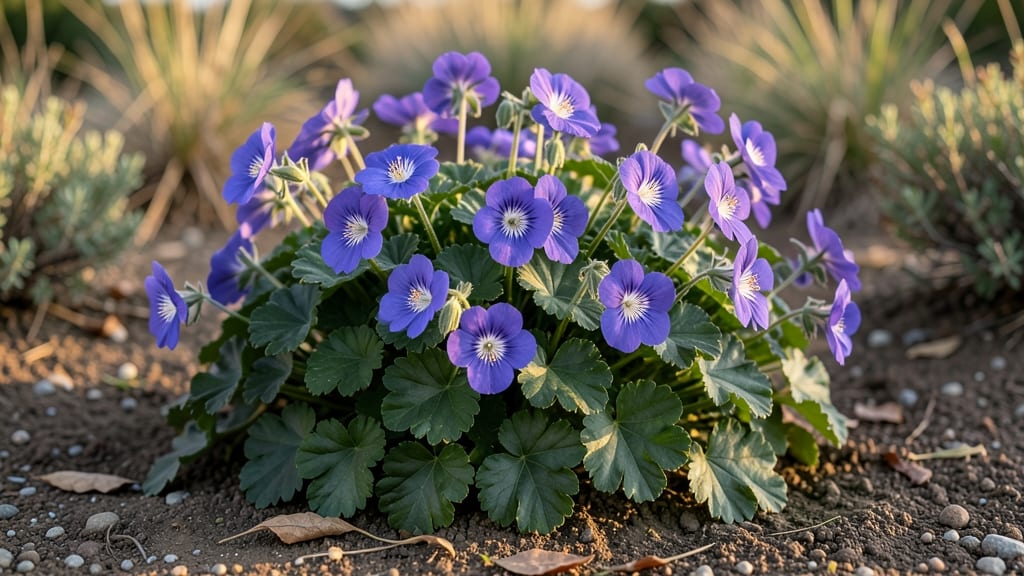
Rozanne geraniums burst into vibrant purple-blue blooms from early June to frost—though timing shifts dramatically depending on your zone. 🌸 I’ve watched mine in Zone 6 start in late May, while friends in Zone 8 see them linger until November.
The secret to extending that show? Understanding how sunlight, water, and winter prep affect their schedule.
This hardy perennial thrives in full sun to partial shade, but cooler zones (5-7) need morning warmth to kickstart blooms earlier. In warmer climates (8-10), they may start later but reward you with longer displays—sometimes until first frost.
The key is consistent moisture without soggy soil, which keeps flowers coming instead of bolting.
With proper care, Rozanne geraniums deliver nonstop color for months, making them the star of borders and containers. Prune back in early spring to encourage bushiness, and deadhead spent blooms to trigger new growth. The result? A cascade of flowers that turns heads from summer through fall.
Whether you’re in a short-season zone or a warm climate, this calendar ensures you’ll never miss their peak. Next, we’ll dive into how to adjust care for your specific growing conditions to maximize those show-stopping blooms all season long.
📚 In This Guide
- What you need
- Instructions
- Tips and common mistakes
- Wrapping up and next steps
What you need
- ● Rozanne geranium plants: Seeds: 1 packet (500–1,000 seeds) or 10–20 seeds per pot (if starting indoors).
- ● Transplants: 3–5 mature plants (for garden beds) or 1–2 per container (for pots).
- ● Pro tip: Look for Pelargonium × hortorum ‘Rozanne’—the hardy, trailing variety!
- ● Well-draining soil: 1–2 cubic yards of garden soil mixed with perlite or sand (ratio: 3 parts soil, 1 part perlite).
- ● Potting mix (for containers): 1 bag (1.5–2 cubic feet) with added compost.
- ● Sunlight access: Full sun (6+ hours/day) for optimal blooming.
- ● Partial shade (4–6 hours) in Zones 8–10 to prevent heat stress.
- ● Watering tools: Watering can (1–2 gallons) or hose with gentle spray nozzle.
- ○ Drip irrigation system (optional but ideal for containers).
- ● Garden tools: Trowel (for transplanting).
- ● Pruning shears (sharp, sterilized).
- ● Gloves (to protect from thorns).
- ● Containers (if not planting in-ground): Hanging baskets (12–18 inches wide).
- ● Window boxes or planters (10–12 inches deep).
- ● Fertilizer: Balanced liquid fertilizer (10-10-10 or 20-20-20, diluted to half-strength).
- ● Slow-release granules (5 lbs per 100 sq ft of garden bed).
- ● Mulch: 2–3 inches of straw or shredded bark to retain moisture.
- ● Epsom salt: 1 tbsp per gallon of water (monthly for magnesium boost).
- ● Support stakes: For heavy blooms (e.g., bamboo stakes or trellises).
- ● Deadheading scissors: For quick bloom maintenance.
Zone-specific calendar for Rozanne geranium bloom time
Here's how to predict and extend the stunning purple blooms of Rozanne geraniums across your growing zone.
☀️ Step 1: Determine Your USDA Zone and Planting Window
Rozanne geraniums thrive in Zones 4-9, but bloom timing varies dramatically. First, identify your zone—most nurseries or extension offices provide free maps. In Zones 4-5, plant after your last frost date (typically mid-May) when soil reaches 60°F. You'll see first blooms 6-8 weeks later.
Warmer zones (6-9) can plant as early as March, with blooms arriving 4-6 weeks sooner. The key is waiting until nighttime temperatures stay above 50°F consistently. Cold snaps before planting delay blooms by 2-3 weeks—watch for frost dates in your area.
🌱 Step 2: Plant in Full Sun with Proper Spacing
Rozanne geraniums demand 6-8 hours of direct sun daily for maximum blooms. In Zones 7-9, morning sun with afternoon shade prevents leaf scorch. Plant 18-24 inches apart—crowding reduces airflow and invites powdery mildew, which cuts bloom time by 3-4 weeks.
Work 2 inches of compost into the planting hole to boost root vigor. The deeper you plant the crown (where stems meet roots), the more stable the plant becomes, which means fewer energy losses to flopping and more energy directed toward flowers. You'll notice stronger stems and earlier blooms when planted correctly.
💧 Step 3: Water Strategically to Extend Bloom Season
Deep watering twice weekly during establishment (first 4-6 weeks) encourages deep root growth. Once established, water once weekly—but always until water runs out the drainage holes. Shallow watering stresses plants and triggers early dormancy, cutting bloom time short by 2-3 weeks.
In Zones 4-5, reduce watering in late summer to signal plants it's time to harden off for winter. Mulch with 2-3 inches of straw to retain moisture and regulate soil temperature. You'll see blooms lasting 2-3 weeks longer in fall when roots stay cool but not waterlogged.
✂️ Step 4: Deadhead and Prune for Continuous Blooms
Remove spent blooms weekly—this triggers new flower production and extends the season by 4-6 weeks. Pinch back leggy stems to encourage bushier growth in Zones 6-9. In Zones 4-5, wait until after the first frost to prune heavily, as new growth won't harden off in time.
For a second flush of blooms in fall, give plants a light trim after Labor Day in Zones 7-9. You'll see new buds form 3-4 weeks later, often lasting until the first hard frost. Avoid heavy pruning after August 15th—new growth won't mature before winter.
⏰ Step 5: Adjust Care for Zone-Specific Bloom Extensions
In Zones 4-5, apply a high-phosphorus fertilizer in early spring to boost flower production. In Zones 6-9, switch to a balanced 10-10-10 formula mid-season to maintain vigor. Over-fertilizing in late summer causes soft, weak growth that won't survive winter.
Watch for Japanese beetles in Zones 5-8—they skeletonize leaves and reduce photosynthesis, cutting bloom time by 1-2 weeks. Handpick beetles early in the day when they're sluggish, or use neem oil as a preventative spray. You'll preserve leaf area and maintain bloom intensity.
Tips & tricks for perfect Rozanne geranium bloom timing
These pro tips will help you maximize those stunning purple blooms no matter your growing zone.
Zone-Specific Planting Precision: The 6-8 weeks to first bloom in Zones 4-5 is a critical window—don't rush planting before your last frost date. I've seen gardeners in Zone 5 plant too early and get stunted growth from late frosts. Use a soil thermometer to confirm that 60°F threshold before planting; cooler soil delays root establishment by 1-2 weeks. For Zones 6-9, that 4-6 week advance is real, but only if nighttime temps stay consistently above 50°F—watch your local weather patterns closely.
Sunlight Optimization Strategy: The 6-8 hours of direct sun requirement is non-negotiable, but how you position your plants matters. In Zones 7-9, I've found that placing plants slightly east of true south captures morning sunlight while avoiding harsh afternoon rays that cause leaf scorch. For container growers, rotate pots weekly to ensure even sun exposure—this prevents lopsided growth that reduces bloom quantity by up to 30%.
Watering Technique for Extended Blooms: That twice-weekly watering during establishment creates strong root systems that translate to longer bloom seasons. Here's the secret: water deeply until you see water running out the drainage holes, then wait until the top 1-2 inches of soil are dry before watering again. Shallow watering creates weak roots that trigger early dormancy—something I learned after watching plants in Zone 5 bloom 2 weeks shorter than expected.
Pruning Calendar for Continuous Color: The weekly deadheading in Step 4 is your secret weapon, but timing matters. In Zones 6-9, I've found that deadheading in the morning prevents pests from feeding on the fresh cuts. For that fall flush, mark your calendar for Labor Day—pruning then gives plants 3-4 weeks to develop new buds before winter. In Zones 4-5, wait until after your first light frost to prune heavily; new growth won't harden off in time if you cut back too early.
Pro Tips for Rozanne Geranium Bloom Time
- These pro tips will help you maximize those stunning purple blooms no matter your growing zone.
- Zone-Specific Planting Precision: The 6-8 weeks to first bloom in Zones 4-5 is a critical window—don't rush planting before your last frost date.
- Sunlight Optimization Strategy: The 6-8 hours of direct sun requirement is non-negotiable, but how you position your plants matters.
Frequently asked questions
When do Rozanne geraniums typically bloom?
Rozanne geraniums are famous for their long bloom time—usually from early summer (June) through the first hard frost (October or November), depending on your climate zone. In warmer zones (7-10), they may even bloom year-round with minimal care! Deadhead spent blooms to encourage continuous flowering.
How can I extend the Rozanne geranium bloom season?
To keep those magenta-pink blooms coming, follow these tips:
- Deadhead regularly—snip off faded flowers to redirect energy to new blooms.
- Fertilize lightly with a balanced, water-soluble fertilizer every 4-6 weeks.
- Water at the base (avoid wetting leaves to prevent mildew).
- Prune in early spring to encourage bushier growth.
In colder zones (3-6), mulch around the base to protect roots and extend the season.
Do Rozanne geraniums bloom at the same time in all hardiness zones?
Not quite! While they’re perennial in zones 7-10, their bloom timing shifts:
- Zones 3-6: Treat as annuals; plant after last frost (spring) for summer-to-fall blooms.
- Zones 7-10: Bloom from late spring to frost (or longer with winter protection).
For zone-specific planting tips, check the article’s bloom calendar!
What if my Rozanne geranium isn’t blooming?
No flowers? Don’t panic! Common causes and fixes:
- Too much shade → Move to 6+ hours of sun daily.
- Over-fertilizing with nitrogen → Switch to a low-nitrogen, high-phosphorus fertilizer.
- Leggy growth → Prune back by ⅓ in early spring to encourage compact, bushy plants.
- Pests/disease → Check for aphids or powdery mildew; treat with neem oil if needed.
Give it time—some plants need 6-8 weeks to establish before blooming.
Are there any alternatives to Rozanne geraniums with similar bloom times?
If you love Rozanne’s long-lasting color, try these low-maintenance perennials:
- Bee Balm (Monarda) – Blooms summer-to-fall; attracts pollinators.
- Russian Sage (Perovskia) – Drought-tolerant; blooms late summer to frost.
- Catmint (Nepeta) – Fragrant, deer-resistant, and blooms spring to fall.
- Lavender (Lavandula) – Thrives in heat; blooms summer-long.
All are hardy in zones 5-9 and pair beautifully with Rozanne!
Wrapping up and next steps
Now that you know the perfect bloom window for your Rozanne geraniums—whether you're in Zone 3 or Zone 10—you’re well on your way to a burst of vibrant color all season long! 🌸 With the right care, these hardy plants will reward you with months of cheerful blooms and even self-seed for next year.
Ready to take the next step?
Start by marking your calendar with deadheading reminders (🌺) and soil checks to keep those roots happy. Then, share your progress—tag us in your garden pics or ask fellow plant lovers for tips in our community forum. Happy gardening!