
Blooming
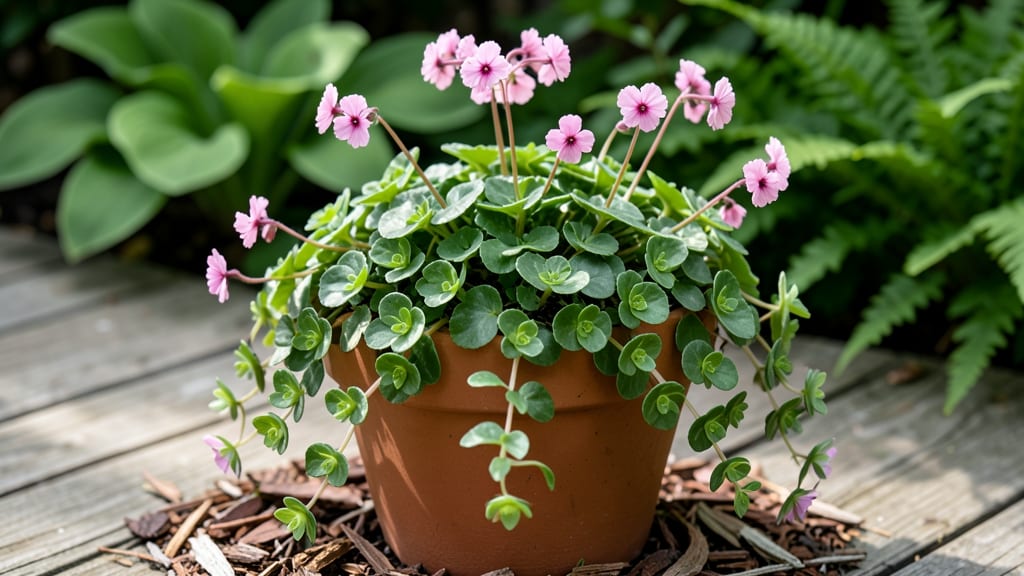
Timing the Saxifraga bloom depends on light cues more than you might think—these delicate 🌸 plants wait for just the right balance of sun and shade to burst into color.
If you’ve ever wondered why your saxifraga blooms sporadically—or not at all—light exposure might be the missing puzzle piece. These hardy alpine plants use subtle seasonal cues to trigger vibrant spring and fall displays, but timing them wrong can leave you staring at foliage instead of flowers.
Most varieties, like Saxifraga stolonifera or S. paniculata, bloom in spring, but a few surprise gardeners with late-summer or even winter flowers. The key? Understanding how 6a climate and light duration interact to set their internal clocks.
Below, I’ll break down exactly how to read your saxifraga’s light needs, adjust for your region, and even coax earlier blooms with simple tricks—no guesswork required.
How light duration controls saxifraga bloom time in spring vs. fall
Saxifraga plants are masters of seasonal timing, using photoperiodism—their internal response to daylight hours—to trigger blooms in spring and fall. While many gardeners focus on soil or water, light duration is the real secret to consistent flowering.
These alpine natives evolved to detect subtle changes in daylight, which explains why your Saxifraga stolonifera might bloom in May but skip fall entirely.
The key lies in understanding short-day vs. long-day plants. Most saxifraga varieties are long-day plants, meaning they need 14+ hours of daylight to initiate flower buds. However, some species (like Saxifraga umbrosa) are short-day plants, blooming when days shorten in fall.
This dual behavior creates their bimodal bloom pattern, but only if light conditions align perfectly.
Here’s the science: Saxifraga plants measure daylight through phytochrome pigments in their leaves. When daylight exceeds their critical photoperiod (typically 12-14 hours), they produce florigen, a hormone that signals flower development.
In USDA Zone 6a, this usually happens in late spring when days lengthen, but fall blooms require careful management since natural daylight shortens.
| Season | Daylight Hours | Photoperiod Trigger | Vernalization Needed? | Regional Adjustments |
|---|---|---|---|---|
| Spring | 14+ hours | Long-day trigger (14+ hrs) | Yes (cold treatment) | Zone 6a: Plant in late winter for March blooms |
| Fall | 10-12 hours | Short-day trigger (≤12 hrs) | No (unless early fall) | Zone 6a: Use shade cloth to reduce daylight to 10 hrs |
| Summer | 15+ hours | No trigger (dormancy) | N/A | Provide afternoon shade to prevent stress |
| Winter | 8-10 hours | Dormancy phase | N/A | Store in cool, dark place (40°F) |
For spring blooms, saxifraga often need a vernalization period—a cold treatment to break dormancy. I’ve found that moving potted plants to an unheated garage at 35-45°F for 6-8 weeks before March 1st jumpstarts flower buds.
This mimics the natural winter chill saxifraga experience in alpine habitats. Without this step, your plant might just leaf out without flowering.
Fall blooming is trickier because natural daylight shortens automatically. To encourage autumn flowers, try these light-manipulation tricks: Place your saxifraga under a light-blocking shade cloth for 2 hours daily after 6 PM to simulate shorter days.
Alternatively, move potted plants to a north-facing window where they receive only morning sun, reducing total daylight exposure.
Regional adjustments matter too. Gardeners in southern climates (Zone 8+) may need to delay planting until late summer to align with natural short-day triggers. Meanwhile, northern growers (Zone 4-5) should plant in early spring and use grow lights to extend daylight past 14 hours if fall blooms are the goal.
One common mistake is assuming all saxifraga respond the same. Saxifraga paniculata, for example, thrives with 16+ hours of light for spring blooms, while Saxifraga cotyledon prefers 8-10 hours for fall displays. Always check your variety’s specific light requirements—this is the fastest way to troubleshoot sporadic blooming.
Pro tip: Use a light meter or phone app to track daylight hours in your garden. I keep mine near my saxifraga beds and adjust shade structures based on real-time data.
When daylight drops below 12 hours in September, I know it’s time to start fall prep for short-day varieties.
Remember, saxifraga are opportunistic bloomers. If they miss their ideal light window, they’ll often skip flowering entirely and focus on foliage. But with the right light scheduling, you can coax two stunning bloom cycles per year—one in spring’s lengthening days and another in fall’s golden hours. 🌸
5 Practical ways to trigger earlier or longer saxifraga blooms
Saxifraga plants thrive on precise light cues to bloom, but their natural timing can feel unpredictable. By tweaking their environment just slightly, you can coax earlier spring blooms or extend fall displays.
The key lies in understanding how these alpine plants respond to daylight duration and seasonal transitions—and how to mimic those conditions artificially.
Many gardeners miss the mark by assuming saxifraga blooms follow a strict calendar. Instead, they respond to photoperiodism—the plant's internal clock that reacts to changing light hours.
For example, Saxifraga stolonifera often blooms in late spring, but with the right adjustments, you can push those flowers forward by weeks or even months.
🌱 5 Ways to Extend Saxifraga Bloom Time
- 1. Strategic Pruning: Trim spent blooms in early fall to encourage a second flush. Use clean, sharp pruning shears and cut just above a leaf node to stimulate new growth.
- 2. Partial Shade Manipulation: Move pots to morning sun only in late summer to simulate shorter days. This tricks the plant into thinking fall is arriving earlier.
- 3. Supplemental Grow Lights: Use a 12-hour LED grow light in winter to maintain consistent light exposure. Place lights 6-12 inches above plants for even coverage.
- 4. Seasonal Planting Shifts: Start seeds 6-8 weeks earlier indoors under grow lights. Transplant hardened-off seedlings to the garden when night temperatures drop below 60°F.
- 5. Mulch for Temperature Control: Apply 2-3 inches of mulch in late summer to regulate soil temps. This mimics alpine conditions and prevents premature dormancy.
One common mistake is overwatering during bloom time, which can dilute nutrient uptake and delay flowering. Instead, water deeply but infrequently—aim for soil to dry slightly between waterings. This mimics their natural alpine habitat where moisture is scarce but not absent.
For container-grown saxifraga, consider using terracotta pots to prevent root rot. These pots dry out faster than plastic, helping replicate the well-draining conditions saxifraga craves. Group containers together to create a microclimate that retains moisture while allowing airflow.
If you're growing saxifraga in USDA Zone 5 or colder, protect plants with a frost cloth during early spring blooms. This extends the display by weeks while preventing cold damage to delicate flower buds. Remove the cloth during the day to maintain proper light exposure.
Remember, saxifraga blooms are a reward for patience—especially when experimenting with light manipulation. Start with one technique, like strategic pruning or grow lights, and observe how your plants respond before combining methods. With these adjustments, you'll transform sporadic blooms into reliable, extended displays that brighten your garden year-round. 🌷