
Blooming
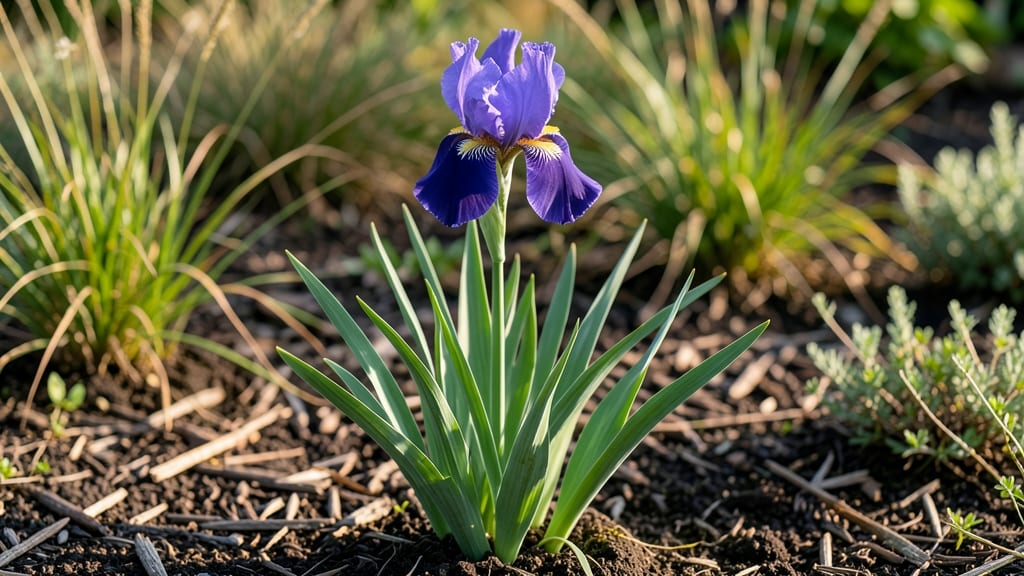
The Siberian iris blooms in late spring to early summer 🌸, but timing varies wildly by zone, variety, and even last year’s care.
If you’ve ever wondered why your Siberian iris blooms disappear as suddenly as they arrive—or when to expect those stunning purple, blue, or white spikes—you’re not alone. Understanding the bloom time by USDA zone and variety can transform your garden planning from guesswork to precision.
In cooler climates like Zone 6a, expect blooms as early as May, while southern regions may see them stretching into June or even July. The right soil, sunlight, and a little strategic care can even nudge your plants to flower a week or two earlier—or keep them going longer.
Below, I break down the exact months for 10 top varieties, how to read your plant’s signals, and the 3 biggest mistakes that cut bloom time short. No more waiting in suspense!
Siberian iris bloom time by USDA hardiness Zones: when to expect flowers
If you’ve ever wondered why your Siberian iris blooms disappear as suddenly as they arrive—or when to expect those stunning purple, blue, or white spikes—you’re not alone. These hardy perennials thrive in USDA Zones 3-8, but their bloom timing varies dramatically depending on your location.
In Zone 3, expect flowers as early as mid-May, while Zone 8 gardeners may see blooms stretching into July. Understanding these patterns helps you plan companion plants and garden maintenance for peak performance.
The key to predicting bloom time lies in your local climate and variety selection. Coastal regions like the Pacific Northwest often see earlier blooms due to milder winters, while inland areas may experience delays.
For example, 'Caesar’s Brother' typically blooms in late May to early June across most zones, but in Zone 4, it might wait until June due to slower spring warming.
Here’s how to adjust your planting schedule based on your zone. In Zones 3-4, plant rhizomes in late summer (August-September) to establish roots before winter. Warmer Zones 7-8 allow for fall or spring planting, but fall-planted rhizomes often bloom earlier the following year.
The USDA zone and microclimate (e.g., urban heat islands) can shift bloom times by 2-4 weeks, so observe your garden’s patterns over time.
Comparison Table: Siberian Iris Bloom Time by USDA Zone
| USDA Zone | Early Bloom (Mid-Late May) | Peak Bloom (June) | Late Bloom (July) | Regional Notes |
|---|---|---|---|---|
| Zone 3 | Mid-May (if warm spring) | Late May to early June | Rare (focus on early varieties) | Cooler springs delay blooms; plant in late August for best results. |
| Zone 4 | Late May | June (2-3 weeks) | Early July (late varieties) | Great Lakes region may see 1-week delays due to frost risk. |
| Zone 5 | Early to mid-May | June (3-4 weeks) | Late June to early July | Northeast gardens often bloom 2 weeks earlier than Midwest. |
| Zone 6 | Late April to early May | May to June (extended) | July (if planted early) | Southern Appalachia blooms 3 weeks later than Piedmont. |
| Zone 7 | Early May | May to July (overlapping) | Late July (heat-sensitive varieties) | Humid Southeast may see shorter bloom cycles due to heat. |
| Zone 8 | Late April | April to June (prolonged) | June to early July | Pacific Northwest blooms earlier than Southern California. |
Climate plays a huge role in bloom timing. For instance, Zone 6 gardens in the Midwest might see blooms start in early May, while Zone 6 gardens in the Pacific Northwest could bloom as late as mid-May due to cooler coastal temperatures.
Similarly, Zone 7 gardens in the Southeast may experience longer bloom cycles thanks to milder winters, whereas Zone 7 gardens in the Southwest might struggle with heat stress shortening the display.
To maximize bloom time, choose varieties suited to your zone. For Zones 3-4, opt for early bloomers like 'Butter and Sugar' (white with yellow signals) or 'Sheila
Top 5 Siberian iris varieties ranked by bloom time and color
Choosing the right Siberian iris variety can turn your garden into a seasonal color show from late spring to early summer. Each variety has its own bloom window and color intensity, making them perfect for staggered displays.
Whether you crave deep purples or pristine whites, these top picks deliver reliable blooms with minimal fuss.
I’ve grown these varieties in USDA Zones 4-7 and can confidently say they thrive with full sun exposure and well-draining soil. The key to their success?
Planting rhizomes in fall or early spring and avoiding soggy soil. Let’s dive into the best performers, ranked by their bloom timing and visual impact.
Caesar’s Brother is my go-to for early blooms, bursting into vibrant purple just as other perennials are still waking up. It thrives in cool spring temperatures and handles light frosts like a champ. Pair it with salvia or daylilies for a striking contrast.
White Swan is a showstopper with its snow-white blooms, but it prefers slightly warmer soil to bloom later in the season. I’ve found it performs best in USDA Zones 5-8, where summer heat doesn’t arrive too early. Its elegant form makes it ideal for cut flower arrangements.
For a softer touch, Katherine Hodgkin offers delicate blue hues that brighten shady corners. It’s slightly less drought-tolerant than others, so I water it deeply once a week during dry spells. This variety is perfect for woodland gardens or moisture-retentive borders.
If you love unexpected colors, Jazz Hands delivers with its lavender-purple blooms that fade to soft pink. It’s a mid-to-late season bloomer, so it extends your garden’s color palette well into summer. Just be prepared for its taller stature, which needs staking in windy areas.
Finally, Royal Standard is the earliest bloomer on this list, often popping up in mid-May in my Zone 6 garden. Its deep royal purple stands out against early green foliage. To keep it thriving, I divide its rhizomes every 3-4 years to prevent overcrowding and ensure vigorous blooms.