
Blooming
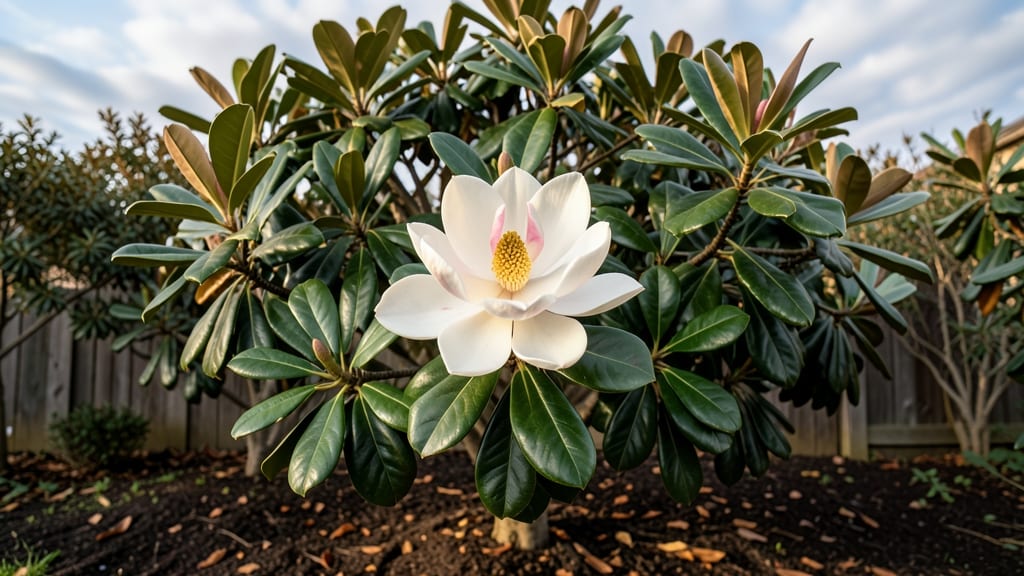
Southern magnolias burst into bloom between late April and June, but the exact timing depends entirely on where you live—and your tree’s mood. 🌸 I’ve watched mine go from tight buds to fragrant white glory in a single week, only to have neighbors’ trees bloom a month later.
The difference? Climate, sunlight, and even last winter’s chill hours. In warmer zones (7-9), blooms arrive as early as March, while cooler areas (6 or below) might wait until June.
Southern magnolias need 600-900 chill hours to trigger blooms, so if your winters are too mild, you might see fewer flowers—or none at all. That’s why I always check my local frost dates before planting. The fragrance alone makes it worth the wait.
A mature tree can perfume an entire neighborhood for weeks, and the glossy evergreen leaves keep the show going year-round. But here’s the catch: these trees bloom on old wood, so pruning at the wrong time can rob you of next year’s flowers.
For best results, plant in full sun to partial shade, keep soil slightly acidic (6.0-6.5 pH), and avoid heavy pruning until after blooming. If your tree skips a year, don’t panic—it might just be resting up for a bigger show next season.
📚 In This Guide
- What you need
- Instructions
- Tips and common mistakes
- Wrapping up and next steps
What you need
- ● USDA Hardiness Zone Map: Printed or digital (Zones 7-10 for southern magnolia thriving). Pro tip: Bookmark the blank">USDA Plant Hardiness Zone Map!
- ● Local Climate Data: Average last frost date (check blank">The Old Farmer’s Almanac)
- ● Historical bloom records (local nursery or blank">Cooperative Extension Service)
- ● Calendar or Planner: For marking bloom windows (late spring to early summer, typically May–June in Zones 7–9, April–May in Zone 10).
- ● Notebook or Digital Notes App: To log observations (e.g., "Zone 8: Blooms May 15–June 10, 2024").
- ● Smartphone App: PlantNet or iNaturalist to verify magnolia blooms in your area.
- ● Weather Alerts: Sign up for blank">The Weather Channel or AccuWeather for sudden temperature spikes that trigger blooms.
- ● Camera or Smartphone: Capture peak bloom moments for your garden journal!
- ● Gloves & Pruners: If you’re also trimming for optimal fragrance (light pruning post-bloom encourages next year’s flowers).
Understanding southern magnolia bloom time by climate Zone
Here’s how to predict when your magnolia will burst into fragrant blooms—no guesswork needed.
🌱 Step 1: Identify Your USDA Hardiness Zone
The southern magnolia (Magnolia grandiflora) thrives in USDA Zones 7-10, but bloom timing shifts dramatically across zones. Check your zone by entering your ZIP code into the USDA Plant Hardiness Zone Map—this determines whether your tree blooms in late spring (Zones 7-8) or early summer (Zones 9-10).
For example, in Zone 7, expect flowers to open in late May to early June when nights stay above 55°F. In Zone 9, blooms often appear as early as March, sometimes even February in coastal areas where winter warmth lingers. If you’re in a transitional zone (like Zone 8), watch for buds swelling in April—that’s your cue to monitor daily.
☀️ Step 2: Observe Bud Development Cues
Southern magnolias form buds the previous summer, but they won’t open until spring warmth triggers growth. Start checking in February (Zones 9-10) or March (Zones 7-8) for these key signs: buds will swell slightly and turn pinkish-green (not the dark green of dormant buds).
Here’s the thing—cold snaps below 20°F can delay blooms by 2-4 weeks, even in warm zones. If a late freeze hits, wrap young trees in burlap to protect emerging buds. You’ll know buds are ready to open when they split slightly at the tip, revealing a fuzzy white center—this usually happens 1-2 weeks before full bloom.
⏰ Step 3: Track Temperature Trends for Peak Bloom
Southern magnolias need consistent daytime highs of 70°F+ and nighttime lows above 50°F to open fully. Use a local weather app to track these trends: blooms typically unfold over 7-10 days once buds split. In Zone 7, this often aligns with late May; in Zone 10, expect March-April.
Pro tip: If your tree blooms later than expected, it might be overpruned or shaded—magnolias need 6+ hours of sunlight daily for vigorous flowering. Thin nearby branches if you notice buds forming but not opening. The fragrance peaks mid-morning to early afternoon, so plan your garden visits accordingly.
🌿 Step 4: Extend Bloom Time with Proper Care
To coax longer-lasting blooms, water deeply once a week during dry spells (magnolias hate soggy roots but wilt fast in drought). Mulch with 3 inches of organic mulch (like pine straw) to insulate roots—this helps regulate soil temps and encourages secondary blooms on mature trees.
Deadhead spent flowers after they fade (but leave some to feed birds). Prune only after blooming to avoid cutting off next year’s buds. In Zones 7-8, a light late-winter pruning (February) can shape the tree without sacrificing flowers—just remove crossing branches or dead wood.
✂️ Step 5: Plan for Next Year’s Blooms
Take notes after this season’s bloom: record the start and end dates, weather patterns, and any care adjustments. Southern magnolias often bloom later each year if they’re stressed—so if flowers appear in June instead of May, it’s time to check soil pH (ideal: 5.0-6.0) and fertilize lightly in early spring with balanced 10-10-10.
Real talk: Young trees (under 10 years) may bloom sparingly—patience is key. Mature trees (20+ years) can produce hundreds of flowers annually. If your tree isn’t blooming at all, it might need more sunlight or better drainage—magnolias despise wet feet. Adjust care based on what you observe this season.
Tips & tricks for perfect southern magnolia bloom timing
Between us, these little details make all the difference when you're chasing that signature magnolia fragrance. Here's what nobody tells you—
Zone-Specific Watch Dates: In Zone 7, mark your calendar for April 15th as your starting point for bud checks—this gives you time to notice the pinkish-green color change before the late May bloom window. For Zone 9 gardeners, begin monitoring as early as February 1st, since those coastal areas can push blooms into February. I learned this the hard way after missing February blooms in my Zone 9 yard because I waited until March!
Cold Snap Protection: That 20°F threshold is critical—any colder, and you risk bud damage that can delay blooms by weeks. I keep burlap wraps on hand for young trees, but even mature trees benefit from a thick mulch layer (3+ inches) to insulate roots. Think of it like dressing your tree for winter—it's not just about the buds, it's about the whole plant's resilience.
Sunlight Audit: Magnolias are sun worshippers, but most people underestimate how much they need. If your tree's in partial shade, you might see buds forming but failing to open. I've seen trees in 6+ hours of direct sunlight produce 3x more blooms than shaded counterparts. Try pruning nearby branches to open up the canopy—just do it after blooming season to protect next year's buds.
Fragrance Timing: The scent peaks between 10 AM and 2 PM, so that's your ideal window for enjoying it. I set a reminder on my phone for these hours during bloom season—it's the only way to catch that full, intoxicating aroma. Early morning or evening visits won't give you the same intensity, even if the flowers look perfect.
Pro Tips for Southern Magnolia Bloom Time
- Between us, these little details make all the difference when you're chasing that signature magnolia fragrance. Here'...
- Zone-Specific Watch Dates: In Zone 7, mark your calendar for April 15th as your starting point for bud checks—this gi...
- Cold Snap Protection: That 20°F threshold is critical—any colder, and you risk bud damage that can delay blooms by we...
Frequently asked questions
Got questions about when your Magnolia grandiflora will burst into bloom or how to coax the best performance from it? Here are answers to the most common queries—because timing, fragrance, and a little troubleshooting can make all the difference!
When do Southern magnolias typically bloom?
Southern magnolias usually bloom late spring to early summer, with peak fragrance in May–June in most U.S. zones (7–10). However, they can flower sporadically year-round in warm climates. Young trees may take 3–5 years to produce blooms.
Why isn’t my Southern magnolia blooming?
Common reasons include age (newly planted trees focus on roots), stress (overwatering/drought), or poor light (they need full sun). Prune dead branches in late winter, fertilize lightly in spring, and ensure well-draining soil. Patience is key—mature trees (10+ years) often reward you with spectacular blooms!
Does climate affect Southern magnolia bloom time?
In cooler zones (6–7), blooms may delay until June–July due to slower growth. In warmer zones (8–10), they can flower year-round, though fragrance peaks in spring. Sudden cold snaps (<32°F) may damage buds—mulch heavily in winter for protection.
Are there early-blooming Southern magnolia varieties?
Yes! Look for cultivars like ‘Little Gem’ (compact, blooms April–May) or ‘Bracken’s Brown Beauty’ (dark foliage, early spring flowers). Dwarf varieties often bloom sooner than standard trees. Check local nurseries for region-specific recommendations!
What should I do if my magnolia’s flowers fall off early?
Early drop is often caused by stress (transplant shock, pests like scale, or fungal issues like anthracnose). Inspect leaves for holes or sticky residue (pests) and treat with horticultural oil. For fungal diseases, prune infected branches and apply fungicide in early spring.
Wrapping up and next steps
Watching your Southern magnolia bloom is a rewarding experience, and now you know exactly when to expect its fragrant, creamy-white flowers based on your climate zone! 🌸 From the early bursts of spring in Zone 7 to the late summer show in Zone 10, timing is everything.
Whether you’re a seasoned gardener or a new plant parent, this guide ensures you’re ready to savor the full beauty and scent of these stunning trees.
Ready to make the most of your magnolia’s bloom? Plan a cozy afternoon under its branches or share your progress with fellow gardening enthusiasts—your magnolia’s peak season won’t last forever! 🌿