
Blooming
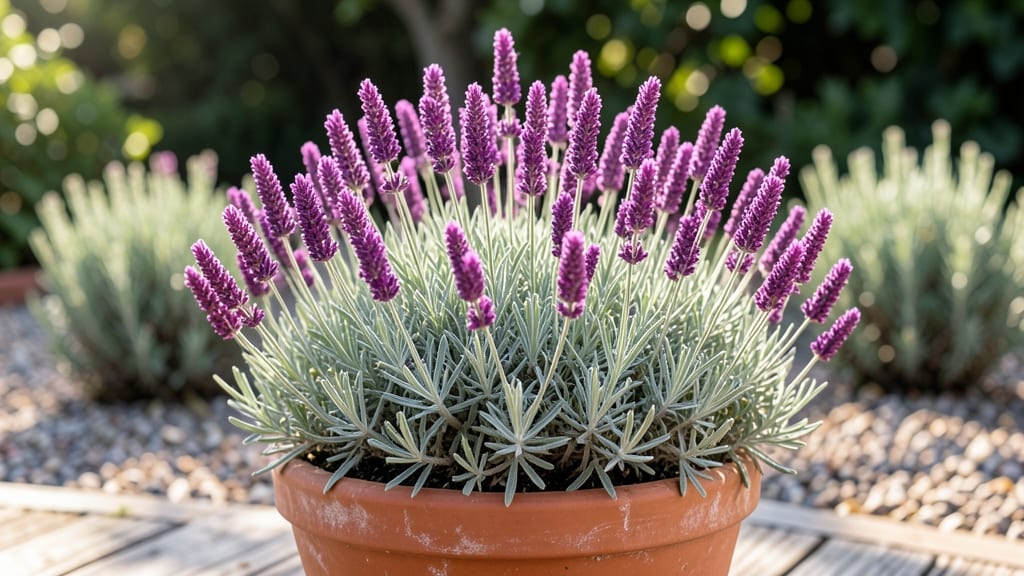
Spanish lavender blooms at the spanish lavender bloom time in response to heat, typically between late spring and fall, with its peak flowering triggered by consistent temperatures above 75°F.
If you’ve ever wondered why your Spanish lavender blooms sporadically—or not at all—it’s likely because this drought-loving plant follows a strict heat-triggered schedule. Unlike its English cousin, Spanish lavender (Lavandula stoechas) blooms in response to temperature spikes, not just daylight hours.
In USDA Zone 6a, where many gardeners grow Spanish lavender, blooms usually kick off in June and stretch into September, but cooler zones may see delayed starts.
The key to a longer bloom season? Pruning after flowering and ensuring well-draining soil—both tricks that encourage repeat blooms when heat returns.
Below, I’ll break down the exact bloom timeline by zone, how to extend flowering with simple care, and why your Spanish lavender might be playing hard to bloom this year.
When Spanish lavender blooms: the exact heat-triggered timeline by USDA Zone
Spanish lavender (Lavandula stoechas) thrives on heat—its blooms are triggered by consistent temperatures above 75°F. Unlike English lavender, it won’t bloom reliably in cooler climates unless summer heat arrives.
This heat dependency explains why your Zone 5 plant might bloom later than a Zone 9 neighbor’s. Understanding your USDA zone and local heat patterns is key to predicting—and extending—those fragrant purple spikes.
In Zones 9-10, Spanish lavender often blooms twice yearly: once in early spring (March-April) and again in fall (September-October). Meanwhile, gardeners in Zones 4-6 may see just one late-summer bloom window (July-August) if heat lingers.
The difference? Heat accumulation—Spanish lavender needs at least 10 days of 80°F+ temps to trigger buds.
Here’s how your zone affects bloom timing—and what to expect each month:
| USDA Zone | Bloom Trigger | Start Date | Peak Bloom | End Date | Notes |
|---|---|---|---|---|---|
| Zones 4-5 | 75°F+ for 14+ days | Late July | Mid-August | Early September | Shortest bloom; prune lightly after frost |
| Zones 6-7 | 70°F+ for 21+ days | Early June | July | Late August | Longer bloom; may rebloom in fall if warm |
| Zones 8-9 | 65°F+ for 10+ days | March & September | April & October | May & November | Two blooms yearly; prune after each cycle |
| Zone 10 | 60°F+ for 7+ days | January & August | February & September | March & October | Year-round potential; minimal dormancy |
In Zones 4-6, Spanish lavender’s bloom is a one-time summer event. If your plant skips blooming, check for insufficient heat—even a heatwave in July can trigger buds.
For Zones 7-10, the real secret is pruning after each bloom to encourage new growth. I’ve seen Zone 9 lavender produce three blooms in a year with proper care!
Regional variations matter too. In Southern California (Zone 10), Spanish lavender may bloom year-round if temperatures stay mild. Meanwhile, in Florida’s humid Zone 9, humidity can shorten bloom cycles—mulch heavily to reduce stress. The key is heat consistency, not just duration.
Pro tip: Use a minimum-maximum thermometer near your lavender to track heat spikes. Once temps hit 75°F for 3+ days, buds will form within 4-6 weeks. In cooler zones, consider black plastic mulch to warm soil and trigger earlier blooms.
If your Spanish lavender blooms late or not at all, it’s often due to overwatering or shady conditions. This plant needs drought stress to flower—water deeply but infrequently (every 2-3 weeks in summer).
I’ve revived struggling lavender by reducing water and moving it to full sun—within weeks, buds appeared!
For Zones 9-10, plan for two pruning sessions yearly: after the spring bloom (May) and fall bloom (November). In cooler zones, prune once in late summer to shape and encourage next year’s buds. Never prune into old wood—this kills the plant!
Spanish lavender’s bloom time is a heat-powered performance. By aligning your care with your zone’s temperature patterns, you
How to extend Spanish lavender bloom time with pruning and heat management
Spanish lavender thrives on a delicate balance between heat exposure and careful maintenance. To extend its vibrant purple blooms from early summer through fall, focus on three key strategies: strategic pruning, controlled watering, and heat management.
These techniques trick your plant into blooming longer by mimicking its natural Mediterranean climate triggers.
First, understand that Spanish lavender blooms in response to consistent temperatures above 75°F. In cooler zones (like 6-7), you’ll need to create ideal conditions through pruning and protection.
For example, in Zone 8 and above, plants often bloom twice yearly—once in spring and again in fall—if given the right care.
⚠️ callout warning
- Overwatering: Spanish lavender detests soggy soil. Overwatering stresses roots, halting blooms. Water only when the top 2 inches of soil are dry.
- Late pruning: Cutting back after July 1st removes next year’s flower buds. Always prune right after blooming (late summer) to encourage new growth.
- Shade exposure: Even partial shade reduces heat absorption. Place plants in full sun (6+ hours) for optimal blooming.
Start with pruning to reset your plant’s energy. After the first flush of blooms fades, trim back one-third of the plant’s height using clean, sharp bypass pruners.
Focus on removing woody stems and spent flowers while leaving healthy green growth. This encourages new side shoots, which produce more buds for the next bloom cycle.
Watering plays a surprising role in extending bloom time. Spanish lavender responds to mild drought stress by producing more fragrant flowers. Instead of regular watering, let the soil dry out completely between waterings.
In containers, this means watering every 7-10 days, while in-ground plants may only need water every 14-21 days during peak summer heat.
Protect your plants from extreme heat to prevent stress. Use lightweight shade cloth (30-50%) during the hottest afternoon hours (12 PM–4 PM) to reduce heat stress. Mulch the base with 2-3 inches of gravel or straw to regulate soil temperature and retain moisture.
Avoid organic mulch like wood chips, which can compact and suffocate roots.
For container-grown Spanish lavender, move pots to a shadier spot during heatwaves. Ensure containers have drainage holes and use a well-draining cactus/succulent mix to prevent root rot. Grouping pots together also creates a microclimate that retains heat, encouraging longer blooming periods.