
Blooming
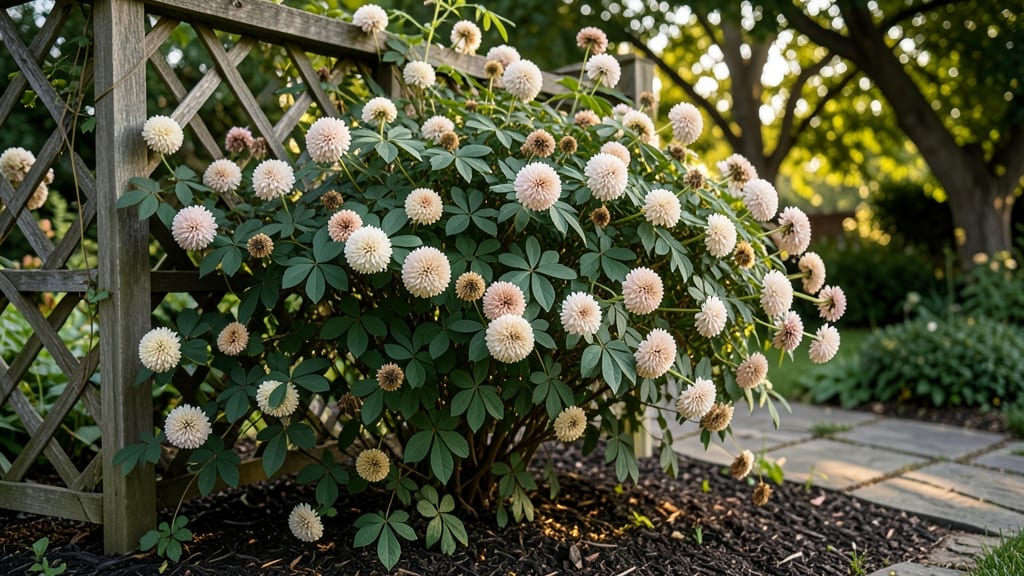
The sweet autumn clematis bloom time transforms gardens into fragrant havens in late summer through early fall 🌸, offering a fleeting yet spectacular display. If you’ve ever wondered why your sweet autumn clematis blooms in late summer—only to vanish by fall—you’re not alone.
This vigorous vine’s flowering cycle is tightly linked to heat exposure, making timing everything for maximum impact.
The key to longer blooms lies in understanding its natural rhythm: buds form when temperatures rise, and flowers peak in September and October—just before frost.
But a sudden cold snap can ruin the show, so knowing when to protect your plant is just as important as when to plant it.
In this guide, I’ll break down the heat-triggered stages of blooming, how to shield flowers from early frost, and simple care tips to extend your clematis’s showstopping season.
Sweet autumn clematis bloom time: heat-triggered stages explained
Sweet autumn clematis (Clematis terniflora) is famous for its late-summer to fall blooms, but its flowering cycle is entirely heat-dependent. Unlike spring-blooming varieties, this vine waits for consistent warm temperatures—typically between 75°F and 85°F (24°C–29°C)—to trigger bud formation.
Understanding these temperature-sensitive stages helps you time care perfectly for vibrant, prolonged blooms.
From bud formation in early summer to peak flowering in September, each phase responds to heat exposure. Too much shade or sudden temperature drops can delay or ruin blooms. Here’s how to align your gardening routine with its natural cycle for maximum impact.
| Stage | Temperature Trigger | Care Action | Expected Bloom Result |
|---|---|---|---|
| Bud Formation | 60°F–75°F (15°C–24°C) | Prune dead growth, ensure full sun | Tight buds appear by July |
| Bud Swelling | 75°F–85°F (24°C–29°C) | Water deeply, avoid overhead wetting | Buds plump by mid-August |
| Peak Bloom | 70°F–80°F (21°C–27°C) | Remove spent blooms, support heavy vines | Fragrant flowers September–October |
| Post-Bloom | Below 50°F (10°C) | Prune after frost, mulch base | Prepares for dormancy |
Your sweet autumn clematis begins its journey in early summer when daytime temperatures rise above 60°F (15°C). This is when the vine shifts from vegetative growth to bud formation. To encourage this transition, ensure your plant receives at least 6 hours of direct sunlight daily.
If your vine is in partial shade, consider relocating it or pruning nearby trees to increase light exposure.
By mid-summer, buds should be visible along the stems. This is the critical heat-triggered phase where temperatures between 75°F–85°F (24°C–29°C) accelerate bud swelling. If your region experiences unusually cool summers, buds may form slowly or not at all.
In such cases, lightweight row covers can help retain warmth around the vine without overheating it.
When buds swell into cream-white, fragrant flowers, you’re in the peak bloom stage, typically late August to October. This phase thrives on consistent warmth but can be cut short by early frost.
To prolong blooms, remove spent flowers regularly and avoid over-fertilizing with nitrogen, which promotes leafy growth over flowers. Instead, use a balanced 5-10-10 fertilizer every 4–6 weeks during active growth.
After blooming, your clematis enters dormancy as temperatures drop below 50°F (10°C). This is the perfect time to prune back the vine to 2–3 feet tall, removing all dead or weak stems.
Wait until spring to prune the remaining growth, as late-season pruning can stimulate new shoots that won’t survive winter in colder zones.
One common mistake gardeners make is assuming sweet autumn clematis blooms on old wood. Unlike spring-blooming clematis, this variety flowers on current year’s growth. This means aggressive pruning in early spring won’t harm its ability to bloom—it actually encourages stronger, more vigorous growth for the season.
Use clean, sharp pruners to make cuts just above a leaf node or outward-facing bud to promote bushier growth.
If you’re in a warmer climate (USDA Zone 8+), your sweet autumn clematis may produce a second, lighter bloom cycle in spring. However, the primary showstopper blooms always occur in late summer to fall.
To ensure your vine is healthy enough for its big moment, monitor soil moisture and avoid waterlogging, which can cause root rot. A well-draining, slightly acidic soil (pH 6.0–7.0) is ideal for optimal growth and blooming.
Pro tip: Use a thermometer near your clematis to track temperature trends. If your area experiences sudden temperature swings, consider protecting buds with frost cloth or moving potted vines to a sheltered location until temperatures stabilize. This small step can save your blooms from early frost damage.
By aligning your care routine with these heat-triggered stages, you’ll unlock the full potential of your sweet
Cold snap risks: how late blooms can be ruined by frost
Your sweet autumn clematis thrives on late summer heat, producing its signature fragrant blooms between September and October. But those same flowers face devastating risks when unexpected frost arrives.
A single 28°F night can turn vibrant blossoms into crispy remnants overnight, leaving you wondering where your garden's star performer went.
This heat-loving vine relies on warm temperatures to develop buds and flowers. When cool nights suddenly drop below 50°F after weeks of warmth, the plant's natural cycle gets disrupted. The flowers may open too early or fail to set buds properly, resulting in sparse or nonexistent blooms the following year.
🌡️ Frost Alert!
Sweet autumn clematis blooms are extremely frost-sensitive. Even light frost (32°F) can damage open flowers, while hard frost (28°F) kills buds and stems. First frost typically arrives October 15 in USDA Zone 6a, but early cold snaps can strike weeks earlier.
To protect your late-season blooms, start monitoring weather forecasts in early September. When nighttime temps dip below 55°F, take immediate action. Cover vulnerable vines with frost cloth or burlap wraps before sunset.
Secure the coverings tightly to prevent wind damage, and remove them during the day to allow sunlight and air circulation.
For extra protection, consider installing row covers over trellises or using plastic sheeting on cold nights. Create a mini greenhouse effect by placing clear plastic bottles filled with water near the base - they release heat during the night.
These simple measures can preserve 70-80% of blooms during light frosts.
If frost damage occurs, don't panic. Prune affected stems back to healthy growth in early spring. The plant's vigorous root system will quickly produce new shoots. Focus on soil health by adding compost and mulching deeply to protect roots from winter temperature swings.
With proper care, your sweet autumn clematis will bounce back stronger than ever for next year's fragrant display.
Remember, timing is everything with this late bloomer. The earlier you act when cool weather arrives, the better your chances of preserving those beloved creamy-white flowers until their natural end in late October. 🌸