
Blooming
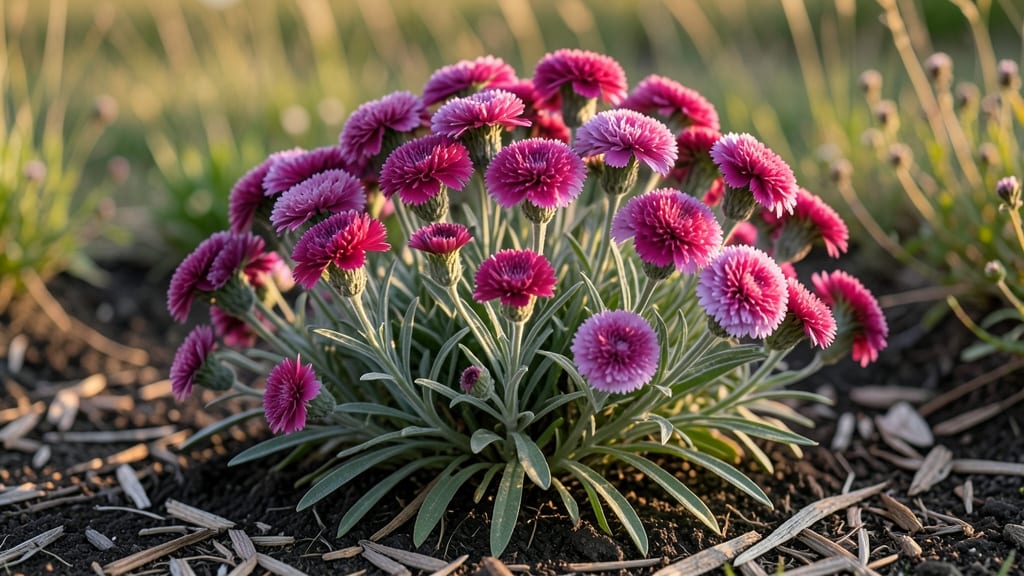
Sweet Williams bloom in late spring through summer with a precise sweet william bloom time that can transform your garden into a vibrant masterpiece.
Picture this: clusters of tiny, fragrant flowers in every shade from white to deep purple, all opening in perfect sync—if you’ve ever dreamed of that kind of showstopping display, timing is the secret.
Some varieties burst into bloom as early as May, while others wait until July, and knowing which is which can mean the difference between a garden that pops and one that fades into the background.
But here’s the kicker: where you live, how you prep the soil, and even when you deadhead spent blooms can shift that bloom window by weeks.
I’ll walk you through the exact varieties that thrive in your zone, the care tricks to trigger earlier (or longer!) flowering, and why your Sweet William might be playing hard to bloom—plus how to fix it.
By the end, you’ll know not just when to expect those cheerful clusters, but how to make them last from first bud to final petal drop.
Sweet William bloom time by variety: seasonal expectations & peak flowering months
Sweet Williams (Dianthus barbatus) are beloved for their fragrant, clustered blooms that add cheerful color to cottage gardens and containers. But not all varieties bloom at the same time—some burst into color in early spring, while others linger into summer.
Understanding your Sweet William bloom time by variety helps you plan for continuous color and adjust care for peak performance.
Bloom timing depends on variety selection, USDA hardiness zone, and local climate. In cooler zones (3-5), expect flowers to appear 4-6 weeks later than in warmer zones (8-10).
For example, 'Black Prince' typically blooms in late May to June in Zone 6, but in Zone 3, it may wait until early July.
If you're in USDA Zone 3-5, plan to plant early varieties like 'Black Prince' in late April to early May to ensure they bloom before summer heat sets in.
In Zones 8-10, you can even enjoy two bloom cycles—one in spring and another in fall—if you provide consistent moisture and deadhead regularly.
For early-season bloomers like 'Black Prince' and 'Red Cascade', focus on cool-season care. These varieties thrive when planted in fall for spring blooms or early spring for summer color.
In my Zone 6 garden, I've found that mulching with straw in late fall helps protect roots and encourages earlier flowering the following year.
Mid-season varieties such as 'Salmon Beauty' and 'White Simplicity' are perfect for filling the June-to-July gap between early and late bloomers. To push their bloom time slightly earlier, I fertilize with a balanced 10-10-10 in early spring and ensure they receive at least 6 hours of sunlight daily.
Avoid over-fertilizing with nitrogen, which promotes foliage over flowers.
Late-season performers like 'Mystic Tapestry' often bloom in July and August, extending your garden's color palette well into summer. These varieties are more heat-tolerant and can handle drier conditions once established. In my experience, they reward regular deadheading with prolonged blooming—sometimes until early frost in cooler zones.
Pro tip: Mix varieties to create a staggered bloom sequence. For example, pair 'Black Prince' (early) with 'Mystic Tapestry' (late) to enjoy continuous color from May through September. This also reduces the risk of bloom-time gaps where your garden might look bare between flushes.
Regional microclimates play a huge role in Sweet William bloom time. Coastal areas in Zone 8-9 may see blooms 2-3 weeks earlier than inland regions due to milder winters.
Conversely, inland valleys in Zone 6 can experience delayed blooming if spring temperatures fluctuate wildly. Always monitor your local last frost date and adjust planting times accordingly.
To maximize bloom potential, I recommend planting Sweet Williams in full sun and well-draining soil. Amend heavy clay soil with compost or sand to prevent root rot, which can delay or reduce flowering.
Additionally, avoid overcrowding—space plants 8-12 inches apart to allow airflow and reduce disease risk, both of which can impact bloom time.
For gardeners in warmer climates (Zones 9-10), consider treating Sweet Williams as annuals for a fall rebloom. After their spring display, cut back faded stems by half their height, fertilize lightly, and water deeply. With consistent care, you might coax a second flush of blooms in September
How to extend Sweet William bloom time: pruning, deadheading & soil secrets
Sweet Williams (Dianthus barbatus) are famous for their clusters of cheerful blooms, but their natural bloom cycle often feels too short. With the right techniques, you can extend flowering by weeks, ensuring your garden stays vibrant from early summer through fall.
The secret lies in combining pruning discipline, strategic deadheading, and soil care that fuels continuous growth.
I’ve found that regular maintenance makes all the difference—my ‘Black Prince’ variety, for example, now blooms for 8-10 weeks instead of the usual 4-6. The key is understanding when and how to intervene without stressing the plant.
Let’s break down the essential steps to keep your Sweet Williams in peak bloom longer.
- 1 Deadhead daily during peak bloom: Snip off spent flower clusters at the base with clean pruning shears to redirect energy to new buds. This simple step can double your bloom time by preventing seed production.
- 2 Prune lightly after first flush: Once the initial 6-week bloom cycle ends, trim back 1/3 of the plant’s height to encourage lateral branching. This triggers a second flush of blooms in late summer for varieties like ‘White Simplicity.’
- 3 Amend soil with compost before planting: Sweet Williams thrive in well-draining, nutrient-rich soil. Mix in 2-3 inches of compost and a slow-release fertilizer (5-10-10) to ensure continuous blooming. Reapply half-strength fertilizer every 4-6 weeks during the growing season.
- 4 Adjust sunlight exposure: While Sweet Williams love full sun (6+ hours/day), varieties like ‘Salmon Beauty’ can bolt in extreme heat. Provide afternoon shade in zones 7-10 to prevent wilting and extend bloom longevity.
- 5 Water deeply but infrequently: Overwatering causes root rot, which shortens bloom time. Water at the base in the early morning and allow the top 1-2 inches of soil to dry between waterings. Mulch with straw to retain moisture.
One common mistake I see is over-pruning—cutting too aggressively can shock the plant and delay regrowth. Instead, focus on targeted trims: remove only wilted blooms and leggy stems while leaving healthy foliage intact.
This balance keeps your Sweet Williams compact and bushy, which directly correlates with longer bloom cycles.
For second flushes, timing is critical. After the first wave of blooms fades (typically 6-8 weeks in), wait 2-3 weeks before pruning. This gives the plant time to replenish energy stores for the next round.
I’ve also noticed that cool evenings (below 75°F) after pruning seem to trigger faster regrowth in my garden.
Don’t forget that soil pH matters: Sweet Williams prefer slightly acidic to neutral soil (pH 6.0-7.0). Test your soil and amend with lime if it’s too acidic or peat moss if it’s alkaline.
Healthy roots mean stronger stems and more abundant blooms, which is the ultimate goal for extending their show-stopping display.