
Blooming
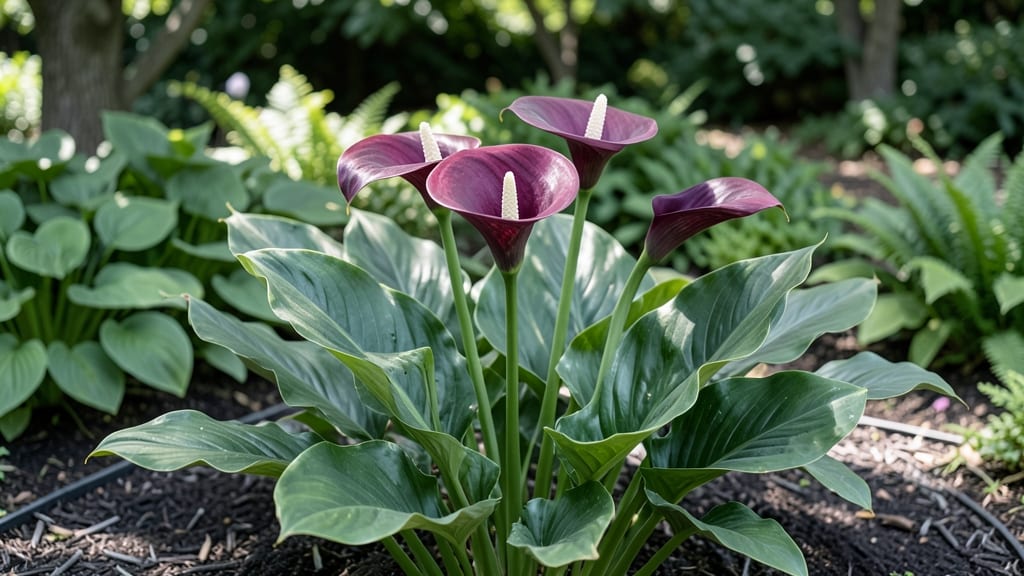
The calla lilies are in bloom again, and my garden just got a touch of old-world elegance. 🌿 Their dark, velvety petals always feel like a secret—so dramatic yet effortless, thriving even when I forget to water them.
The key is knowing their rhythm: they bloom best in partial shade with consistently moist soil, and they’ll reward you with months of drama if you give them just a little attention.
Here’s the magic: calla lilies bloom in waves, not just once. In my zone 7 garden, they start in late spring and keep going through fall, with a little coaxing. The trick is to keep their roots cool and their soil rich—compost works wonders.
They’re not fussy about soil type, but they’ll thank you with bigger blooms if you add a little organic matter before planting.
When they’re in full bloom, the sight of those trumpet-shaped flowers is pure garden therapy. The blooms last for weeks, and if you deadhead spent flowers, you’ll encourage even more to open. They’re also surprisingly low-maintenance—they handle humidity, drought spells, and even light shade better than most tropicals.
Want to keep them blooming longer? Mulch around the base to retain moisture and protect roots from temperature swings. And if you’re in a cooler climate, treat them as annuals or dig up tubers in fall to overwinter indoors. Either way, you’ll get that same breathtaking display year after year.
📚 In This Guide
- What you need
- Instructions
- Tips and common mistakes
- Wrapping up and next steps
What you need
- ● Calla Lily Tubers: 3–5 healthy, firm tubers (size depends on desired plant size; standard tubers work for most containers).
- ● Well-Draining Potting Mix: 1 bag (1–2 cubic feet) of high-quality, peat-based or coconut coir mix (add perlite or sand for extra drainage).
- ● Container: 1 pot (12–16 inches in diameter) with drainage holes (terracotta or ceramic preferred).
- ● Slow-Release Fertilizer: 1 packet of balanced, organic fertilizer (10-10-10 or similar).
- ● Watering Can or Spray Bottle: For gentle hydration (avoid soggy soil!).
- ○ Gloves (optional): To protect hands from soil and sharp tuber edges.
- ● Pruning Shears: For trimming dead foliage or dividing tubers later.
- ○ Mulch (optional): 1 bag of orchid bark or pine needles to retain moisture.
- ○ Grow Lights (optional): For indoor setups in low-light areas.
- ● A sunny spot (6+ hours of indirect light daily; bright, filtered light indoors).
- ● Consistent temperature: 65–80°F (18–27°C) for optimal growth.
- ● Patience! Calla lilies thrive with minimal care but reward you with months of elegance.
How to keep calla lilies blooming year-round with simple care
Here’s how I’ve kept my calla lilies thriving indoors and outdoors through every season—with almost no fuss.
🪴 Step 1: Choose the Right Spot for Light and Humidity
Calla lilies love bright, indirect light—think of a spot near an east-facing window where they get morning sun but stay shaded from harsh afternoon rays. If you’re growing them outdoors in warmer months, place them in partial shade (they’ll tolerate 4-6 hours of filtered sunlight daily). Too much direct sun scorches the leaves, while too little makes them stretch and lose their dramatic shape.
Humidity is key. If your home is dry, set the pot on a tray filled with pebbles and water (keep the water level below the pebbles). I’ve seen calla lilies wilt dramatically in dry air, but a quick misting or a pebble tray revives them within days. In winter, group plants together to create a microclimate that traps moisture.
☀️ Step 2: Water Consistently Without Overdoing It
Water calla lilies when the top inch of soil feels dry—they prefer moist but never soggy conditions. I water deeply until it drains from the bottom, then let excess water run out completely. Overwatering is their biggest enemy; it causes root rot and yellowing leaves. In summer, they’ll need watering every 2-3 days, while winter slows their growth, so I cut back to once a week unless the soil feels bone-dry.
Here’s the trick: Use room-temperature water to avoid shocking the roots. Cold water can stunt growth, and calla lilies are sensitive to temperature swings. If the leaves start drooping, it’s usually a sign they’re thirsty—water immediately and watch them perk up within hours.
✂️ Step 3: Prune and Fertilize for Continuous Blooms
After the blooms fade, snip the flower stalk just above the leaf node (about ½ inch down) to encourage new growth. Don’t remove all the foliage—healthy leaves feed the plant for next season’s blooms. I fertilize lightly every 4-6 weeks during the growing season (spring through fall) with a balanced liquid fertilizer (like 10-10-10). Too much fertilizer burns the roots, so always dilute it to half-strength.
In winter, let the plant rest—reduce watering and skip fertilizing. You’ll notice the leaves may yellow or the growth slow down, but this is normal. Patience here pays off: come spring, your calla lilies will bounce back with fresh, vibrant foliage and new blooms.
🌱 Step 4: Divide and Repot Every Few Years
Calla lilies multiply quickly, and their tubers get crowded over time. Every 2-3 years, divide the clumps in early spring (just as new shoots emerge). Gently separate the tubers, ensuring each has at least one healthy leaf or shoot. Repot in fresh potting mix with good drainage—calla lilies hate sitting in wet soil. I use a mix of pearlite and peat moss to keep it airy.
After repotting, water lightly for the first week and place the new pots in bright, indirect light. Avoid direct sun until the roots establish themselves (usually 2-3 weeks). Dividing not only rejuvenates the plant but also gives you free calla lilies to share or expand your collection!
⏰ Step 5: Adjust Care for Seasonal Changes
Summer means more water and occasional misting to combat heat stress. In winter, move them to a cooler spot (60-65°F) if possible—they’ll go dormant naturally. I’ve kept mine blooming year-round by giving them a short rest period (reduced water and no fertilizer) in late fall, then gradually increasing care in early spring.
Watch for pests like spider mites or aphids—wipe leaves with a damp cloth if you spot them. Aphids love new growth, so check the undersides of leaves regularly. With these small adjustments, your calla lilies will keep gracing your space with their elegant blooms, season after season.
Tips & tricks for year-round calla lily care
Keeping these elegant blooms thriving takes just a few simple strategies I've perfected over years of growing.
Lighting Secrets: The 4-6 hours of filtered sunlight in Step 1 is crucial—think of it like giving them morning coffee but no afternoon energy drinks. I've found that rotating the pot every few weeks ensures even growth, preventing lopsided plants. If your space lacks natural light, supplement with a grow light for 6-8 hours daily during winter months when days shorten.
Watering Wisdom: That top inch check in Step 2 is your golden rule, but here's what nobody tells you: stick your finger in the soil up to your first knuckle. If it feels damp at that depth, wait another day. I've ruined calla lilies by overwatering in winter when they're dormant—just because they're green doesn't mean they're growing. Use a moisture meter if you're unsure, especially in winter when watering needs drop dramatically.
Fertilizing Fine Points: The 4-6 week schedule in Step 3 works wonders, but timing matters more than you'd think. Always fertilize after watering to prevent root burn, and never fertilize dormant plants in winter. I've started using a slow-release fertilizer pellet in spring that lasts the entire growing season—just mix it into the soil when repotting. This eliminates the need to remember monthly feedings.
Seasonal Transition Strategy: That 60-65°F winter spot recommendation in Step 5 is ideal, but here's my real trick: I move my calla lilies to a cool basement or garage in late fall when nights get chilly. The consistent temperature prevents stress, and I've found they actually bloom more prolifically the following spring. Just bring them back to normal conditions gradually—sudden temperature changes shock them just like a cold shower would shock you!
Pro Tips for The Calla Lilies Are In Bloom Again
- Keeping these elegant blooms thriving takes just a few simple strategies I've perfected over years of growing.
- Lighting Secrets: The 4-6 hours of filtered sunlight in Step 1 is crucial—think of it like giving them morning coffee...
- Watering Wisdom: That top inch check in Step 2 is your golden rule, but here's what nobody tells you: stick your fing...
Frequently asked questions
about calla lilies and their stunning blooms—because every gardener deserves a little clarity!When is the best time to plant calla lilies for year-round blooms?
Plant calla lilies in spring (after the last frost) or early fall for optimal growth. In warmer climates (zones 8-11), they thrive year-round with minimal care. For cooler regions, treat them as perennials—they’ll regrow from rhizomes each season with proper winter protection (mulch or containers).
Why aren’t my calla lilies blooming this year?
Common culprits include overcrowded rhizomes (divide them every 2-3 years), low light (they need bright, indirect light), or nutrient deficiencies. Boost blooms by fertilizing with a balanced, low-nitrogen formula (like 10-10-10) in spring and summer. Pro tip: Yellow leaves? Check for overwatering—callas hate soggy roots!
Can I grow calla lilies in pots, or do they need a garden bed?
Calla lilies thrive in containers—just use pots at least 12 inches deep with drainage holes. Opt for well-draining soil (add perlite or sand) and place them in a spot with morning sun and afternoon shade. For winter, move pots indoors to a cool, bright area (like a garage) or bury them in the ground for insulation.
What are some low-maintenance alternatives to calla lilies for shade gardens?
If callas feel too high-maintenance, try these easy-care shade lovers:
- Hostas – Hardy, deer-resistant, and come in endless varieties.
- Impatiens – Bright blooms that thrive in deep shade (great for containers!).
- Hellebores (Lenten Roses) – Winter-blooming perennials with zero fuss.
- Ferns (e.g., Maidenhair or Boston) – Lush foliage with minimal watering needs.
Are calla lilies toxic to pets or kids?
Yes! Calla lilies contain insoluble calcium oxalates, which can cause mouth irritation, drooling, or vomiting if ingested. Keep them out of reach of curious pets and children. If accidental exposure occurs, contact your vet or ASPCA Poison Control. Opt for pet-safe alternatives like spider plants or African violets if safety is a concern.
Wrapping up and next steps
As the calla lilies bloom again, they remind us that elegance doesn’t require endless effort—just a little patience and care. With their striking petals and minimal needs, these plants bring timeless beauty to any space, proving that nature’s most stunning gifts often demand the least. 🌸
Ready to embrace their grace? Start by planting one today—whether in your garden, a pot on your porch, or even as a gift for a loved one. The next time you see those velvety blooms unfurling, you’ll know: simplicity is the ultimate sophistication.