
Blooming
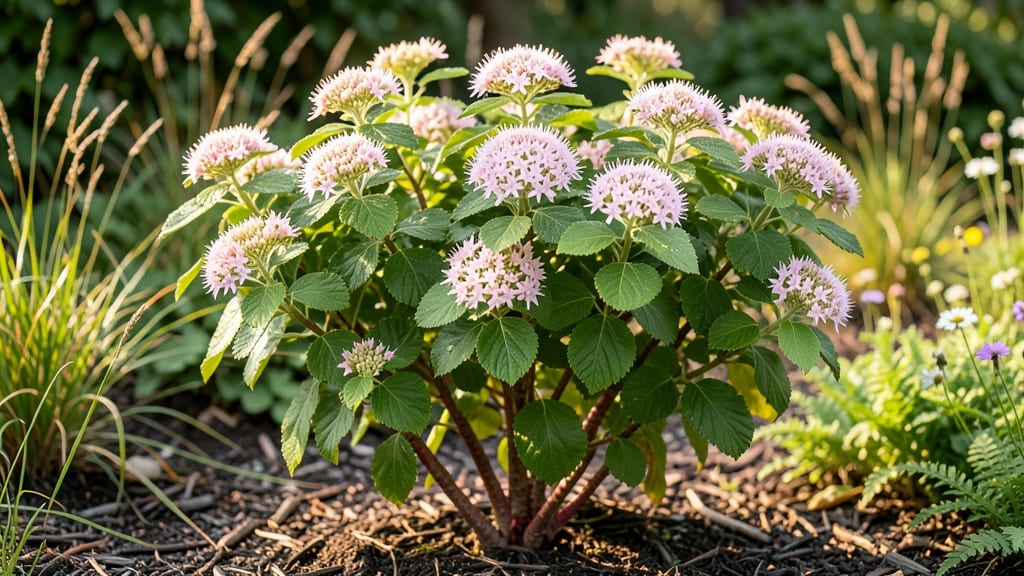
The viburnum bloom time varies wildly by variety, from late winter’s first blush to summer’s lingering clusters of 🌸—and getting it right means your garden’s spring show starts exactly when you want it.
Picture this: Viburnum bodnantense bursts into bloom in February, its fragrant purple flowers defying winter chill, while Viburnum plicatum waits until May to unfurl its snowball-like clusters. But here’s the catch—climate, pruning, and even your local frost date can shift those timelines by weeks.
Whether you’re chasing early color or extending the season, knowing the exact schedule for your viburnum type is the key to a garden that never stops performing.
Below, I break down the bloom windows for the most popular varieties, including how USDA Zone 6a gardeners can adjust for late frosts or early heat. You’ll also learn the simple pruning tricks that can delay or advance blooms—and why some viburnums refuse to play by the rules.
Ready to turn your shrubs into a season-long spectacle? Start with the right variety, time your care perfectly, and watch your viburnum transform from a background player into the garden’s star attraction.
Viburnum bloom time by variety: exact weeks for spring color
Planning your garden’s spring spectacle starts with knowing exactly when each viburnum variety bursts into bloom. Some varieties like Viburnum bodnantense (Winter) wake up as early as late January in warmer zones, while others like V. plicatum (Japanese Snowball) wait until late April.
Understanding these timelines helps you create a sequential bloom display that lasts from winter through summer.
Regional differences matter too—USDA zones 5-9 can shift bloom times by 2-4 weeks. For example, a Viburnum carlesii (Korean Spice) in Zone 7 may bloom in early March, while the same plant in Zone 5 might wait until mid-April.
Let’s break down the exact weeks for each star performer.
| Variety | Bloom Time (USDA Zone 7) | Bloom Time (USDA Zone 5) | Bloom Time (USDA Zone 9) | Key Features |
|---|---|---|---|---|
| Viburnum bodnantense (Winter) | Late January - Early February | Early March | Mid-January | Fragrant pink buds, winter bloomer |
| Viburnum carlesii (Korean Spice) | Early March - Mid-March | Mid-April | Late February | Spicy fragrance, early spring star |
| Viburnum opulus (Cranberrybush) | Late May - Early June | Early June | Mid-May | White domes, late-season show |
| Viburnum plicatum (Japanese Snowball) | Late April - Early May | Mid-May | Early April | Layered branches, dramatic clusters |
If you’re in Zone 5, prioritize Viburnum bodnantense and V. carlesii for the earliest color. These varieties reward you with winter-to-early-spring blooms when other shrubs are still dormant. Their fragrant flowers add a sensory delight that’s perfect for late-winter garden walks.
For mid-spring highlights, Viburnum plicatum steals the show with its layered, snowball-like clusters. Plant it where you’ll enjoy its arching branches as a focal point. In Zone 7, expect blooms around late April, while Zone 9 gardeners can enjoy them as early as early April.
Don’t overlook Viburnum opulus (Cranberrybush) for late-spring color. Its white dome-shaped flowers transition into red berries that persist into winter, offering year-round interest. In Zone 7, blooms arrive in late May, just as other spring flowers begin to fade.
To extend your viburnum bloom season, consider planting a mix of these varieties. For example, V. bodnantense in January followed by V. carlesii in March, then V. plicatum in April, and finally V. opulus in May creates a 4-month floral parade.
Sunlight exposure also tweaks bloom times. Morning sun encourages earlier blooms, while afternoon shade can delay them slightly. If your garden is partially shaded, expect blooms to arrive 1-2 weeks later than in full-sun locations. Adjust your planting plan accordingly.
Pro tip: Use mulch in late fall to protect roots from winter temperature swings. This helps early bloomers like V. bodnantense wake up on schedule. In Zone 5, a 3-inch layer of mulch can make the difference between a punctual and a delayed bloom.
For container gardening, choose compact varieties like Viburnum carlesii ‘Dense Bush.’ These thrive in pots and bloom 2-3 weeks earlier than in-ground plants due to warmer root zones. Place containers near south-facing walls to capture extra heat.
Mark your calendar now! With this bloom-time roadmap, you’ll never miss a moment of viburnum magic—from the first winter fragrance to the last summer berry. 🌸
How to extend viburnum bloom time with pruning and care
Want your viburnum shrubs to burst into bloom earlier or extend their floral display? The secret lies in strategic pruning and seasonal care. By adjusting when you prune and how you feed your plants, you can shift bloom times by 2-4 weeks—giving you longer enjoyment of those fragrant clusters.
Let’s break down the exact techniques that work for different viburnum varieties.
First, understand that spring-blooming viburnums (like Viburnum carlesii and V. bodnantense) set next year’s buds on current season’s growth, while summer-blooming types (like V. plicatum) form buds in the previous fall.
This distinction changes everything about your pruning and fertilizer schedule. For example, pruning a Japanese Snowball at the wrong time could mean fewer blooms next summer!
For delaying blooms, try a different approach: prune lightly in early spring (before buds swell) to slow growth and push back flowering by 1-2 weeks. This works best for Viburnum bodnantense, which naturally blooms in late winter.
Combine this with reduced watering in late summer to stress the plant just enough to delay bud formation.
Soil amendments play a critical role in bloom timing. Amend your soil with bone meal (high in phosphorus) in early fall to encourage earlier bud formation.
For larger blooms, mix in composted leaf mold to improve soil structure and drainage—waterlogged roots can delay flowering by up to 3 weeks.
Pro tip: Container-grown viburnums bloom 2-3 weeks earlier than in-ground plants because they experience more temperature fluctuations. If you’re growing yours in pots, move them to a protected location (like a garage or shed) after first frost to extend the growing season and delay dormancy.
With these techniques, you can shift your viburnum’s bloom time to match your garden’s needs—whether you want early spring color or a summer-long display. The key is consistency: stick to your chosen schedule for at least 3 years to see the most dramatic results. Happy pruning! ✂️🌷