
Blooming
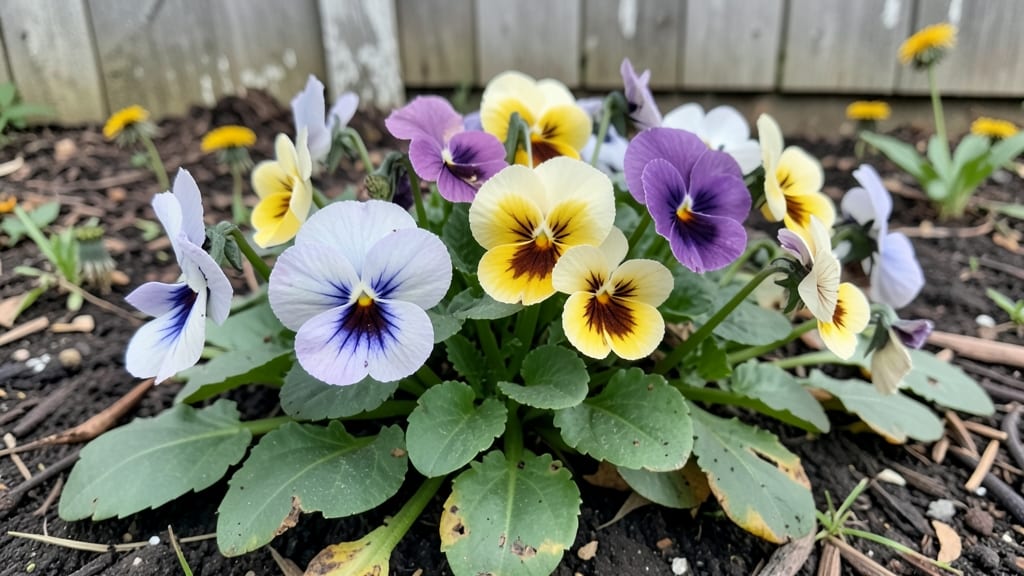
These cheerful flowers thrive when daytime temperatures hover between 50°F and 75°F, making them perfect for cooler climates or early spring gardens. 🌸 What many gardeners don't realize is that violas actually prefer cooler nights—below 60°F
If summer heat arrives too soon, their blooms may fade quickly, so providing afternoon shade can work wonders for extending their season. Another pro tip: Biennial varieties often need a cold snap (vernalization) to trigger their second flush of flowers in fall. This is why they sometimes bloom earlier in northern regions than in warmer southern zones. For container growers, choosing compact varieties like 'Sorrento' ensures continuous color without needing constant deadheading.
💡 In This Article
- Climate Factors That Trigger Viola Flowering
- Extending Viola Blooms: Pruning and Care Tips
Climate factors that trigger viola flowering
Violas respond to temperature shifts like a finely tuned orchestra. Their blooming cycles are primarily governed by vernalization—a biological process where exposure to prolonged cold (typically 32-45°F for 4-8 weeks) triggers flowering in biennial varieties.
This explains why northern gardens often see earlier spring blooms: the winter chill acts as a reset button, signaling the plant it's time to flower. Without this cold exposure, biennials may produce fewer blooms or delay flowering until environmental conditions align.
The ideal daytime temperature range for viola blooming is 50-75°F, but nights below 60°F are critical—they prevent heat stress and encourage bud formation. Think of it like a thermostat: too warm (80°F+) and violas go dormant, while consistent cool nights maintain their metabolic balance for steady flowering.
Humidity also plays a role—40-60% relative humidity keeps petals vibrant, but excessive moisture can lead to fungal issues like powdery mildew, which stunts growth.
Daylight hours matter too, though violas are less sensitive than some plants. They thrive in partial shade (4-6 hours of sunlight daily), which prevents leaf scorch while providing enough energy for blooming.
In regions with long summer days, afternoon shade becomes essential—direct sun after 2 PM can cause buds to drop prematurely. This is why violas often perform better in USDA Zones 5-9, where summer heat is tempered by coastal breezes or mountainous climates.
Heat stress is the silent killer of viola blooms. When temperatures exceed 85°F for prolonged periods, violas enter a survival mode, redirecting energy to leaf production instead of flowers. This is why gardeners in hot climates (like Zone 10) often see reduced fall blooms—summer's intensity exhausts the plant.
A simple fix? Mulching with 2-3 inches of organic matter keeps roots cool and retains moisture, mimicking their natural cool-season preferences.
Here's what's actually happening at the cellular level: Cool temperatures slow down auxin (a plant hormone) production, which reduces apical dominance—the tendency for plants to grow upward instead of branching out. With less auxin, lateral buds (where flowers form) get the green light to develop.
This is why violas planted in fall often bloom earlier in spring—they've already undergone partial vernalization during winter's chill.
For container growers, this means choosing compact varieties like 'Sorrento' or 'Unity' that tolerate slight temperature fluctuations better than larger types. These hybrids also handle 10-15% more humidity without fungal issues, making them ideal for urban balconies where microclimates vary wildly.
The key takeaway? Violas aren't just about cool weather—they're about consistent conditions that balance temperature, moisture, and light. 🌿