
What Flowers Bloom in Winter in Florida: Cold-Hardy Picks That Defy Frost

Blooming

What Flowers Bloom in Winter in Florida: Cold-Hardy Picks That Defy Frost

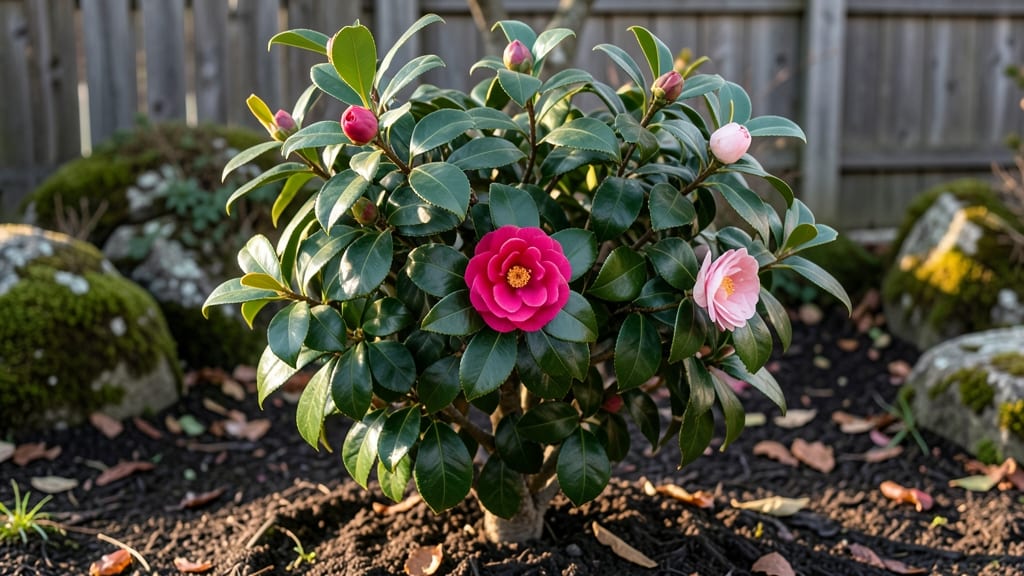
Winter in Florida doesn’t mean bare branches—some flowers actually bloom brighter when temperatures dip, turning your yard into a vibrant escape from the chill.

Picture this: camellias draped in rosy petals, jasmine vines heavy with fragrant blossoms, and pansies popping color in your garden beds—all while your neighbors are bundling up. That’s the magic of Florida’s mild winters, where the right plants reward you with year-round interest without the fuss.

But not all winter bloomers are created equal. Some need extra care to survive the occasional frost, while others thrive with almost no effort.

Below, I’ll share the top cold-hardy flowers that keep your Florida garden lively, plus pro tips to extend their bloom time—so you can enjoy color even when the thermometer drops.

Whether you’re a seasoned gardener or just starting, these low-maintenance picks will help you create a winter garden that’s as stunning as it is resilient. Let’s get growing!

Top 10 cold-hardy winter flowers that thrive in Florida’s mild climate

Florida’s winter garden doesn’t have to be a monochrome landscape. While many plants take a break, cold-hardy winter flowers like camellias and pansies burst into color, often when frost threatens elsewhere.

These frost-resistant blooms not only survive but thrive in Florida’s Zone 8b-11 winters, offering vibrant displays from December through March.

Unlike tropical plants that bolt at cooler temps, these winter-blooming flowers love the crisp air. They’re perfect for Florida’s mild winters, where temps rarely drop below 40°F. Whether you’re a seasoned gardener or just starting, these low-maintenance perennials and annuals bring life to your garden with minimal fuss.

Here’s my curated list of top 10 cold-hardy winter flowers that will keep your garden lively when most plants rest. Each selection includes bloom times, care tips, and Florida-specific adaptability to ensure success.

Flower Bloom Time Sun Needs Cold Hardiness Care Tips
Camellia Dec-Feb Partial shade Zone 7-10 Prune after blooming; acidic soil
Pansies Oct-Mar Full sun to part shade Zone 5-11 Deadhead spent blooms; mulch for frost
Snapdragons Nov-Mar Full sun Zone 7-11 Water at base; stake tall varieties
Hellebores Jan-Mar Part shade Zone 4-9 Shade in afternoon; rich organic soil
Violas Oct-Apr Part shade Zone 5-11 Edible flowers; mulch heavily
Winter Jasmine Jan-Feb Full sun Zone 7-10 Fast-growing vine; prune after blooms
Daffodils Jan-Mar Full sun Zone 3-10 Plant bulbs in fall; deer-resistant
Sweet Alyssum Nov-Apr

How to extend winter blooms: planting and care tips for Florida gardens

Florida’s mild winters create perfect conditions for cold-hardy flowers that bloom when many gardens sleep. The key to extending winter blooms lies in proactive care—from soil preparation to strategic mulching. With the right techniques, you can keep your garden vibrant even when temperatures dip below 60°F.

Start by selecting winter-blooming varieties like camellias, pansies, and snapdragons that naturally thrive in cooler weather. These plants already have built-in resilience, but they still need your support to perform at their best.

The difference between short-lived blooms and prolonged color often comes down to how well you prepare their growing environment.

🌱 Did You Know?

Camellias and winter jasmine are Florida's top winter bloomers, with some varieties like Camellia sasanqua flowering even in light frost. For maximum impact, plant them in well-draining soil with partial shade—this combo extends their bloom season by 3-4 weeks compared to full-sun plantings.

Before winter arrives, focus on soil preparation. Amend your garden beds with organic compost to improve drainage and nutrient retention. Cold soil drains poorly, which can suffocate roots. Aim for a slightly acidic pH (6.0-6.5)—this is ideal for many winter bloomers like azaleas and gardenia.

Mulching is your secret weapon against Florida's unpredictable winter chill. Apply 3-4 inches of organic mulch (like pine straw or shredded bark) around plants to insulate roots. This retains soil warmth while preventing temperature swings that shock plants. Replenish mulch every 2-3 months as it breaks down.

Watering schedules change dramatically in winter. Unlike summer's daily soakings, winter blooms need deep but infrequent watering. Water once a week (or less in dry spells) and always in the morning to prevent fungal issues.

Let the top 2 inches of soil dry between waterings—this encourages deeper root growth, making plants more frost-resistant.

Strategic companion planting can also protect winter blooms. Pair delicate flowers like pansies with taller, wind-breaking plants such as rosemary or boxwood. This creates microclimates that shield blooms from cold winds and frost pockets. Additionally, interplanting with ground covers (like creeping thyme) helps regulate soil temperature naturally.

Finally, don’t overlook light fertilization. In winter, most plants grow slowly, so reduce feeding to every 6-8 weeks. Use a balanced 10-10-10 fertilizer at half strength to avoid burning roots.

For native Florida plants, skip fertilization entirely—they thrive with minimal intervention and often bloom more prolifically as a result.

★★★★★4.6(14 reviews)
Categories Blooming