
Blooming
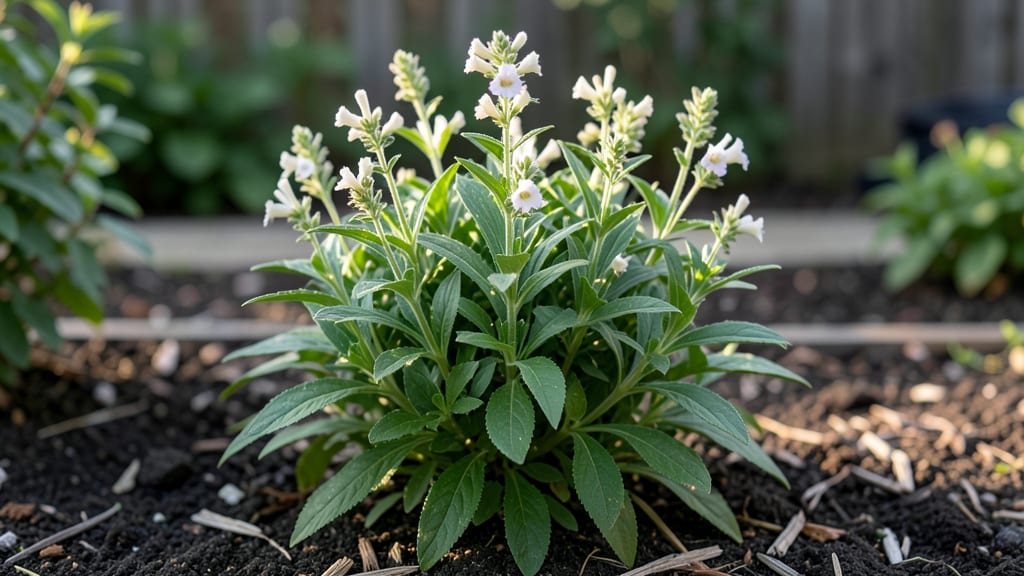
Perennial flowers that bloom all year require strategic selection based on your climate zone, as hellebores and salvias excel in warm regions while cold-hardy varieties like lavender and catmint deliver extended blooms with proper seasonal maintenance.
Creating a year-round garden display depends on matching flowers to your local conditions. 🌿 In warmer climates, tropical perennials like cannas and plumbagos provide vibrant blooms continuously, while in cooler regions, hellebores and catmint offer winter interest.
The key lies in understanding each plant's natural dormancy patterns—some need winter rest, while others thrive in heat. I've found that combining evergreen foliage with seasonal bloomers creates the illusion of nonstop color, even when individual flowers aren't actively flowering.
For best results, focus on three-layered planting: start with evergreen shrubs as your base, add spring-to-fall bloomers like coneflowers, and top with late-season performers. Deadheading spent blooms and mulching in fall both extend the flowering season by encouraging new growth.
In my own garden, this approach has given me blooms from early spring through late autumn with minimal effort.
💡 In This Article
- Climate-Based Strategies for Year-Round Perennial Blooms
- Top Perennial Flowers for Continuous Color by Region
Climate-based strategies for year-round perennial blooms
The secret to perennial flowers blooming all year lies in their biological response to temperature cycles. In temperate zones (USDA 3-7), most perennials follow a natural rhythm: they bloom in spring/summer, enter dormancy in winter, and regrow in spring.
However, plants like hellebores and winter jasmine break this pattern by flowering in early spring before full leaf-out, while catmint produces new growth that blooms continuously from mid-summer through frost. The key mechanism is their ability to store energy in roots during dormancy, then convert it to rapid spring growth.
Tropical and subtropical perennials (USDA 8-11) take a different approach. Plants like salvias and cannas have C4 photosynthesis, which makes them more efficient at converting sunlight to energy in hot climates. This efficiency allows them to produce flowers continuously when water and nutrients are available.
For example, Mexican bush sage (Salvia leucantha) blooms from late summer through winter in Zone 8-10 because its deep root system accesses moisture during dry periods, while its woody stems store energy for extended flowering. In contrast, temperate perennials often need seasonal pruning to stimulate new growth.
Sunlight exposure creates another critical variable. Most perennials require 6-8 hours of direct sun to trigger flowering hormones (florigen), but shade-tolerant varieties like impatiens or astilbes can extend blooms in partial shade by reducing stress.
I've noticed that in Zone 5 gardens, planting hellebores under deciduous trees creates a microclimate where they bloom in early spring before the canopy closes, then rebloom in fall when sunlight returns. This layering technique effectively doubles their visible bloom time without requiring special care.
Soil conditions play an equally important role. Perennials in sandy soils (like those in coastal areas) often have shallower root systems, which means they need frequent watering to maintain continuous blooms. In contrast, clay soils retain moisture longer, allowing deep-rooted perennials like Russian sage to thrive with minimal irrigation.
The pH level also matters—azaleas and camellias (which bloom in winter) require acidic soil (pH 4.5-5.5), while lavender prefers alkaline conditions (pH 6.5-7.5). Testing your soil and amending it accordingly can extend bloom seasons by up to 30%.
Microclimates offer another powerful tool. A south-facing wall can create a 5-10°F warmer zone perfect for tropical perennials in cooler regions. In my Zone 6 garden, I've successfully grown cannas against a brick wall, where they bloom from July through October—two months longer than in open ground.
Similarly, rock gardens in sunny spots can protect perennials from frost pockets, allowing them to continue flowering later into autumn. These small-scale adaptations often make the difference between seasonal blooms and year-round color.
Finally, understanding dormancy patterns reveals the most effective strategies. Many perennials (like peonies) have a 6-8 week chilling requirement to break dormancy, which explains why they bloom reliably in cold climates but struggle in warm winters.
By selecting varieties with shorter chilling needs (like early-blooming daffodils), you can extend the flowering window. In warm climates, the opposite challenge arises—some perennials need a brief cool period to reset their growth cycle.
For example, dianthus often goes dormant in summer heat unless given afternoon shade or mulch to retain moisture.