
Blooming
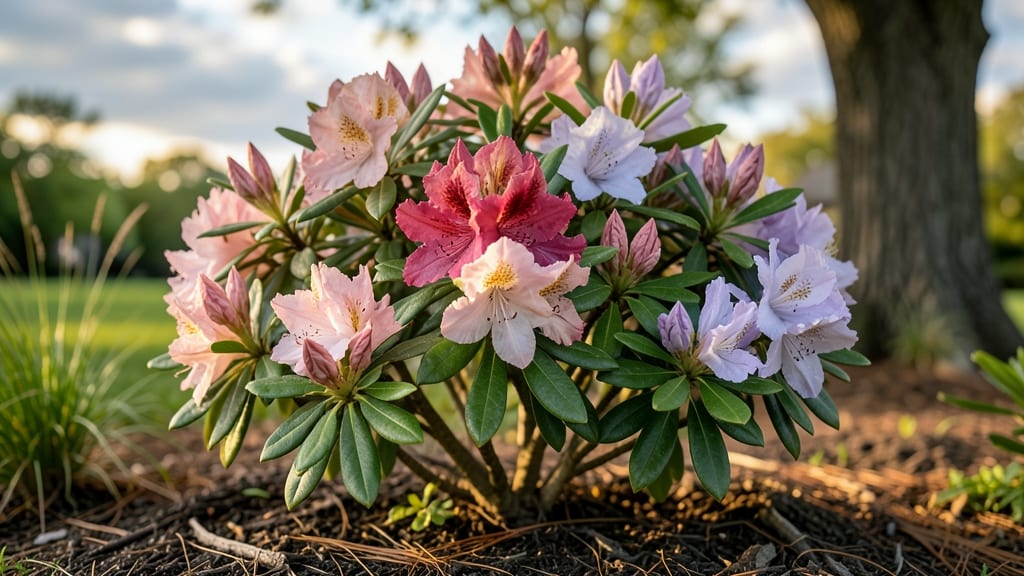
Azaleas in Michigan bloom between late April and early June, with early varieties like Girard’s opening in mid-April and later types such as Encore lasting into June. Michigan's hardiness zones 5-6 and spring temperatures determine the exact bloom window, while cooler northern regions may see delayed flowering.
Michigan's azalea blooming season varies dramatically depending on where you live.
In southern regions like Detroit, you might see early bloomers like Knaphill opening as soon as late April, while northern areas near Traverse City often wait until early May. 🌸 The key factor is frost risk—late spring frosts can damage emerging buds, so gardeners in colder microclimates often choose later-blooming varieties like Hino Crimson that tolerate cooler temperatures better.
This timing also coincides with Michigan's peak pollinator activity, making azaleas a vital early-season food source for bees and butterflies.
What's interesting is how azalea varieties adapt to Michigan's climate. Early bloomers like Girard’s thrive in warmer microclimates near lakes or urban heat islands, while later varieties often perform better in cooler inland areas.
I've found that proper site selection—choosing sheltered locations with afternoon sun—can push blooming dates by nearly two weeks in some cases. The right soil preparation (acidic, well-draining) and winter mulching also play crucial roles in ensuring consistent blooms year after year.
💡 In This Article
- Michigan Azalea Bloom Timing by Variety and Climate Zones
- Best Azalea Varieties for Michigan Gardens and Care Tips
Michigan azalea bloom timing by variety and climate zones
The exact bloom timing of azaleas in Michigan depends on two critical factors: hardiness zones and variety selection. Michigan spans USDA zones 4-6, but azaleas thrive primarily in zones 5-6, where the average last frost date ranges from April 15 in southern regions to May 10 in northern areas.
This frost window explains why early bloomers like Knaphill (which opens around late April) often face bud damage in colder microclimates, while late varieties like Hino Crimson can wait until early June when frost risk has passed. 🌸
Temperature plays a fascinating role in azalea blooming. These shrubs require a period of winter chilling (typically 500-1,000 hours below 45°F) to trigger flower buds, but they also need warm daytime temperatures (60-70°F) to actually open the blooms.
In Michigan's variable climate, this creates a delicate balance—too cold in spring delays flowering, while sudden warm spells can cause premature bud opening that gets fried by late frosts.
I've observed that years with abnormally warm Aprils (like 2012 or 2020) can push early bloomers to open 3-4 weeks ahead of schedule, only to have those blooms destroyed by May frosts.
Microclimates create another layer of complexity. Urban areas like Ann Arbor experience the "urban heat island" effect, where pavement and buildings create 5-10°F warmer conditions than rural areas just miles away. This explains why azaleas in city parks often bloom 1-2 weeks earlier than those in surrounding countryside.
Conversely, lakeshore properties benefit from moderating lake breezes that can delay blooming by 5-7 days in northern Michigan. The key is selecting varieties that match your specific microclimate—early bloomers for urban heat zones, late varieties for cooler lakeshore gardens.
Here's how different varieties align with Michigan's bloom timeline:
- Early bloomers (late April-early May): Girard's, Knaphill, George L. Taber - Best for southern Michigan (zones 5b-6a)
- Mid-season (mid-May): Hino Crimson, Pink Perfection, Bowl of Beauty - Most cold-hardy, ideal for northern Michigan
- Late bloomers (late May-early June): Encore, Southern Indica - Extend season but require protection from late frosts
The science behind this involves azalea flower buds that form the previous summer. These buds remain dormant until they receive both sufficient chilling and proper temperature fluctuations. In Michigan's climate, this typically translates to buds opening when daytime highs consistently reach 65°F for 3-5 consecutive days.
This explains why you'll often see azaleas bloom in waves—first the early varieties, then mid-season types, and finally the late bloomers as spring progresses. 💫
What most gardeners don't realize is how soil temperature affects blooming. Azalea roots prefer soil temps between 55-65°F for optimal growth. In cooler northern Michigan, this means blooming may be delayed until the soil warms sufficiently—often 1-2 weeks later than in southern regions.
This is why proper mulching (with 3-4 inches of acidic mulch) is crucial—it helps regulate root zone temperatures and protects against late frosts that can damage emerging buds.