
Blooming
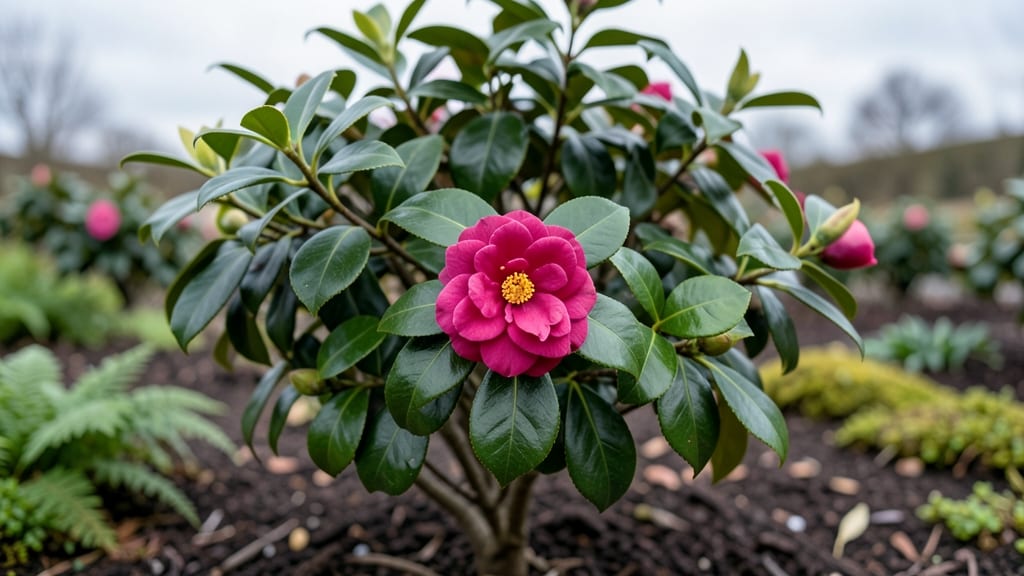
Camellias bloom in North Carolina between late fall and early spring, with varieties like 🌸 Camellia sasanqua lighting up gardens as early as October and others stretching into March.
If you’ve ever missed their showy displays because you didn’t know the exact timing, you’re not alone—many gardeners assume camellias follow a single schedule, but NC’s zones and microclimates create big differences.
Coastal areas like Wilmington often see blooms 2-3 weeks earlier than inland spots like Asheville, where cooler temperatures delay the season. Even within the same county, elevation can shift bloom windows by 10 days or more.
Below, I break down the month-by-month bloom cycles for NC’s most popular varieties, plus how to adjust care for your specific zone and location to keep those flowers coming year after year.
Camellia bloom times in NC by variety: month-by-month breakdown
North Carolina’s diverse climate creates perfect conditions for camellias, but their bloom times vary wildly by variety and zone. Unlike many plants that bloom in spring, most NC camellias shine in fall and winter, offering year-round interest when chosen wisely.
The key difference? Camellia japonica varieties typically bloom in late winter/early spring, while Camellia sasanqua varieties dominate the fall season.
Understanding these patterns helps you plan your landscape for continuous color. For example, pairing a November-blooming sasanqua with a March-blooming japonica creates a 9-month bloom window.
Even within zones 7-8, microclimates can shift bloom dates by 2-4 weeks—cooler mountain areas may see later blooms, while coastal regions often bloom earlier.
Here’s your month-by-month guide to NC camellia blooms, organized by variety and adjusted for Zone 7b-8a. Use this as your planting and pruning calendar to maximize seasonal impact.
🌸 Pro Tip: In Zone 7a, expect blooms to start 1-2 weeks later than listed below due to colder winters.
| Variety | Bloom Time (Zone 7-8) | Key Colors | NC Notes |
|---|---|---|---|
| Camellia sasanqua 'Bonanza' | Late Oct - Nov | White, pink, red | Earlyest bloomer; thrives in coastal NC |
| Camellia sasanqua 'Tiny Ruby' | Nov - Dec | Deep red | Cold-hardy; great for Piedmont gardens |
| Camellia sasanqua 'Yuletide' | Dec - Jan | White | Holiday favorite; blooms through Christmas |
| Camellia japonica 'Desire' | Feb - Mar | Pink | Largest blooms; needs protected winter |
| Camellia japonica 'Noblesse' | Mar - Apr | Cream | Fragrant; blooms late spring |
| Camellia oleifera (Tea Camellia) | Apr - May | White | Edible seeds; blooms after frost danger |
| Camellia reticulata 'Momo' | Oct - Nov | Red | Large blooms; needs acidic soil |
The sasanqua varieties dominate fall blooms, making them ideal for holiday landscaping. 'Yuletide' and 'Tiny Ruby' are especially popular in Raleigh and Charlotte where winters are milder. Meanwhile, japonica varieties like 'Desire' and 'Noblesse' bring spring color when most other plants are still dormant.
For extended bloom seasons, mix 3-4 varieties with staggered timing. For example, plant 'Bonanza' (Oct-Nov), 'Yuletide' (Dec-Jan), and 'Noblesse' (Mar-Apr) to enjoy camellias from October through April. This strategy works particularly well in Zone 8a where winters are mild enough for late-season blooms.
In Zone 7b, expect 1-2 weeks later blooms due to colder temperatures. For instance, 'Yuletide' might not bloom until January instead of December. Coastal areas like Wilmington often see blooms 2 weeks earlier than inland regions.
🌿 Key Takeaway: The earliest bloomers (like 'Bonanza') thrive in coastal NC, while late-season varieties (like 'Noblesse') perform best in protected inland gardens. Always check your local microclimate—urban heat islands can delay blooms by 10-14 days compared to rural areas.
Pruning after blooms helps maintain shape and encourages next year’s flowers. For fall-blooming sasanquas, prune in late winter (Feb). For spring-blooming
How NC’s microclimates shift camellia blooming dates by county
North Carolina’s diverse geography creates striking variations in camellia bloom times. While most gardeners expect fall blooms between September and November, your county’s microclimate can shift these windows by 4-6 weeks.
Coastal areas like Wilmington enjoy earlier blooms thanks to milder winters, while mountain regions near Asheville may see delayed blooms due to cooler temperatures.
The key factors influencing your camellia’s schedule include elevation changes, proximity to large bodies of water, and urban heat islands. For example, Raleigh’s urban centers can trigger 2-week earlier blooms compared to rural areas just 20 miles away.
Understanding these patterns helps you adjust care routines and anticipate your plants’ needs.
🌱 Use this comparison to estimate your local bloom window based on county characteristics:
| County Type | Typical Bloom Shift | Key Factors | Adjustment Tip |
|---|---|---|---|
| Coastal (e.g., Wilmington, Outer Banks) | 1-2 weeks earlier | Milder winters, higher humidity | Plant late-blooming varieties for extended season |
| Piedmont (e.g., Raleigh, Charlotte) | Standard timing (Sept-Nov) | Moderate climate, urban heat islands | Use mulch to regulate soil temps |
| Mountain (e.g., Asheville, Boone) | 2-3 weeks later | Cooler temps, shorter growing season | Choose hardy varieties like 'Winter’s Star' |
| Urban Heat Islands (e.g., downtown Greensboro) | 1-2 weeks earlier | Higher nighttime temps | Provide afternoon shade for heat-sensitive blooms |
| Rural Inland (e.g., Fayetteville, Sanford) | Standard or slightly delayed | More temperature swings | Water deeply in summer to prevent stress |
To calculate your personalized bloom adjustment, note your county’s average last frost date and compare it to the standard NC timeline. For example, if your frost date is March 1 (earlier than average), expect blooms to start 2 weeks sooner than the Piedmont norm.
Conversely, areas with April 1 frost dates may see delayed blooms.
Pro tip: Track your camellia’s blooms for 3 years to identify your microclimate’s unique pattern. In my garden in zone 7b, the 'Yuletide' variety blooms 3 weeks earlier than the 'Donation' camellia due to its cold tolerance.
This local knowledge lets me plan pruning and fertilizing around actual bloom cycles rather than general guidelines.
For gardeners in transitional zones like zone 7a-8a, consider planting both early and late varieties to extend your bloom season. The 'George Nash' (early) and 'Spring’s Promise' (late) combination can give you continuous color from October to January—if you account for your microclimate’s specific timing quirks. 🌷