
Blooming
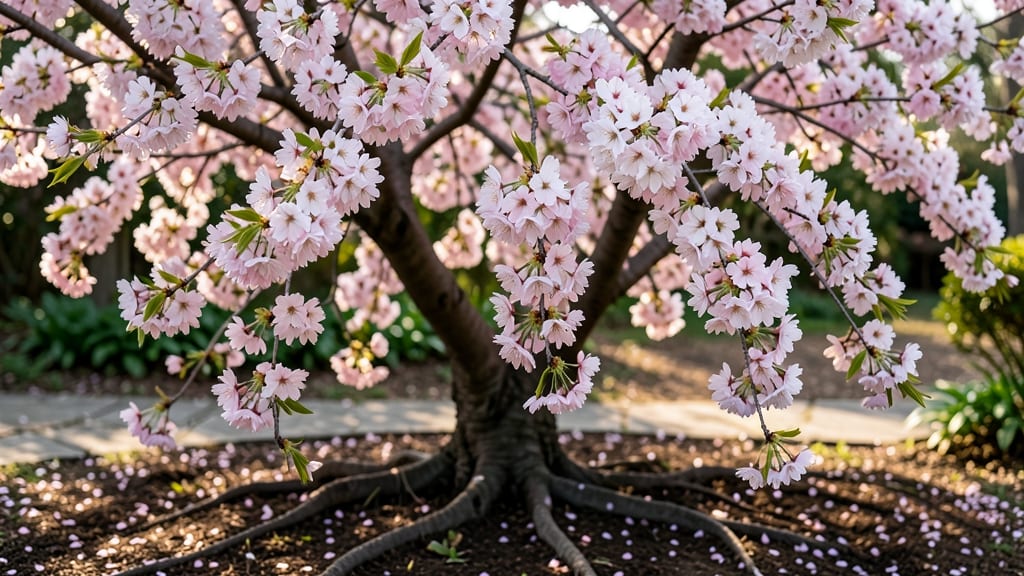
Michigan cherry blossoms typically bloom between late April and early May, though the exact timing shifts based on the tree variety and regional climate—warmer southern areas like Detroit often see blossoms a week earlier than northern spots like Traverse City. Some late varieties may even flower into early June.
Michigan's cherry blossom season is a breathtaking spectacle that varies dramatically across the state.
The timing hinges on two key factors: the specific tree variety and your local climate zone. 🌸 For instance, the classic Yoshino cultivar thrives in Detroit's Zone 6a, often bursting into bloom by mid-April, while Kwanzan trees in Traverse City's Zone 5b may wait until early May.
Even within the same city, microclimates near lakes or urban heat islands can push blooms forward by 5-7 days.
What makes this even more fascinating is how temperature fluctuations during winter affect next year's bloom. A particularly cold snap can delay flowering by up to two weeks, while an unusually mild winter might trigger earlier blooms.
I always recommend checking with local arboretums—they track these patterns annually and can give you precise forecasts for your specific area.
💡 In This Article
- Michigan Cherry Blossom Bloom Factors: Variety and Climate Zones
- Best Cherry Blossom Trees for Michigan Gardens
Michigan cherry blossom bloom factors: variety and climate zones
Michigan's cherry blossom timing is primarily governed by two scientific factors: hardiness zones (4-6) and specific tree cultivars, which determine when buds break dormancy.
The state's climate ranges from Zone 4b in the Upper Peninsula to Zone 6b in southern regions, creating a 10-14 day bloom gradient from north to south.
For example, Detroit's Zone 6a typically sees Yoshino blossoms in mid-April, while Traverse City's Zone 5b may wait until early May for the same variety. 🌸 This zone-based timing occurs because colder winters in northern Michigan require longer chilling hours (300-600 hours below 45°F) to trigger spring growth.
The cultivar's genetic makeup dictates bloom windows too. Early bloomers like 'Autumn Royal' often flower 7-10 days sooner than late varieties such as 'Kwanzan', which can extend blooms into early June.
Even within the same tree, temperature fluctuations matter—buds need consistent daytime temps above 50°F for 3-5 consecutive days to open. I've noticed that urban areas like Ann Arbor bloom 3-5 days earlier than rural spots due to the "urban heat island" effect, where pavement and buildings retain warmth.
Microclimates near large bodies of water add another layer of complexity. For instance, Grand Rapids' proximity to Lake Michigan can create delayed blooms if spring winds bring cooler lake breezes, while inland areas might see earlier blooms due to faster warming.
The 2021 bloom season in Detroit started April 12—nearly two weeks earlier than average—because of an unusually warm March, proving how weather overrides genetic timing. 🌡️
For gardeners, this means selecting the right cultivar for your zone is crucial. 'Mount Fuji' thrives in Zone 5 and blooms reliably in late April, while 'Shirotae' (a white blossom variety) often waits until mid-May in colder regions.
The USDA Plant Hardiness Zone Map is your best tool for matching trees to your local climate—just remember that even within a zone, elevation changes can shift bloom times by 3-7 days.
One often-overlooked factor is last year's bloom timing. Trees that flowered late one year may compensate by blooming earlier the next, as they've stored more energy.
This biological "memory" explains why some mature trees in arboretums seem to have predictable but shifting bloom windows year to year. 🌿 For precise local forecasts, I recommend checking the Michigan State University Extension's annual bloom reports, which track these patterns with data from citizen scientists across the state.
If you're planning a cherry blossom viewing event, aim for late April to early May as your core window—but be prepared for variations. The Detroit Institute of Arts typically hosts its annual festival around April 20, while Traverse City's events often start May 5-10.
Pro tip: Call ahead to confirm bloom status, as some years may see delays of up to two weeks due to late frosts or cold snaps. 🌸