
Blooming
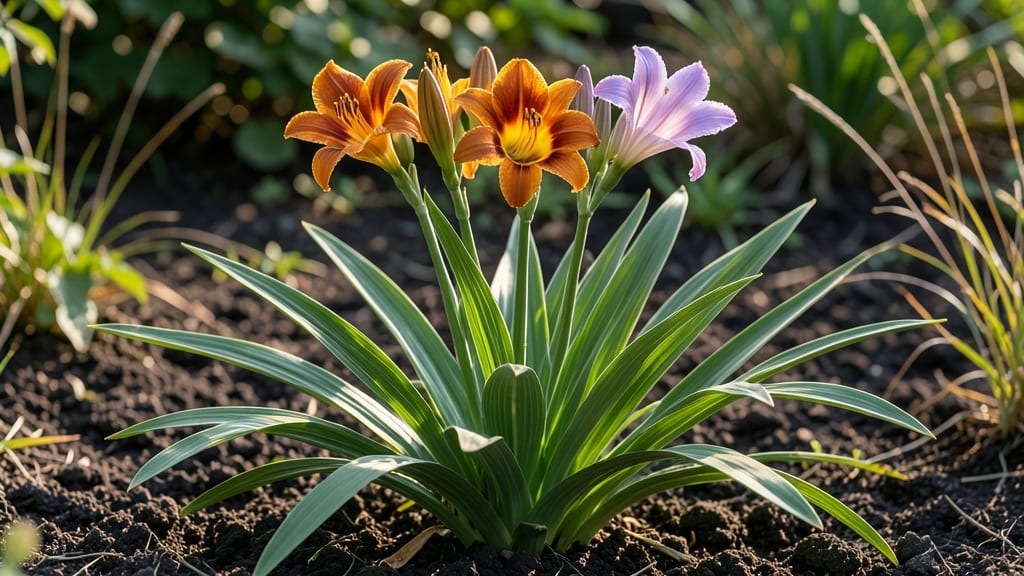
Daylilies in Zone 7 typically bloom between mid-June and early September, turning your garden into a vibrant 🌸 spectacle with minimal effort.
If you’re dreaming of vibrant summer blooms in Zone 7 but struggling to predict when daylilies will burst into color, you’re not alone—timing is everything for these hardy perennials.
While most varieties follow this general window, factors like sunlight exposure, soil temperature, and even rainfall can shift bloom times by weeks. For example, early-season cultivars might pop in late May, while late bloomers can stretch into October.
Below, I’ll break down the month-by-month timeline, share tips to extend your blooms, and help you pick the right varieties for continuous color all summer long.
Daylily bloom timeline in Zone 7: month-by-month breakdown
Daylilies are one of the most reliable summer bloomers in Zone 7, offering vibrant color from early June through September. Understanding their month-by-month bloom cycle helps you plan your garden for maximum impact.
Most varieties follow a predictable pattern, but early and late bloomers can extend your season by 4-6 weeks.
The key to timing is soil temperature—daylilies need consistent warmth (above 50°F) to trigger blooming.
In Zone 7, this typically happens by mid-April, but blooms won’t appear until the plant has established strong roots. Peak bloom seasons vary by cultivar, with early bloomers kicking off the show and late varieties keeping gardens colorful well into fall.
| Month | Early Bloomers | Mid-Season | Late Bloomers | Notes |
|---|---|---|---|---|
| May | Bud formation begins | Pre-bloom foliage growth | Dormant | Soil temps reach 60°F+ |
| June | Peak bloom early June | First blooms mid-June | Bud formation | Water deeply 2x/week |
| July | Bloom decline | Peak bloom July | First blooms late July | Deadhead spent blooms |
| August | Minimal blooms | Secondary bloom wave | Peak bloom August | Fertilize with low-nitrogen feed |
| September | Dormant | Late blooms early Sept | Bloom decline | Prepare for fall dormancy |
In early June, early bloomers like 'Stella de Oro' and 'Happy Returns' take center stage, offering 2-3 weeks of continuous color. These varieties thrive in full sun and well-draining soil, making them ideal for front-of-border plantings.
Their compact size (18-24 inches) also makes them perfect for containers.
Mid-season bloomers like 'Pardon Me' and 'Café au Lait' hit their stride in July, often producing two bloom cycles if deadheaded regularly. These varieties can extend your season by 4-6 weeks compared to early bloomers.
For best results, plant them where they’ll receive at least 6 hours of sunlight daily.
Late bloomers like 'David Helfrich' and 'Alexander' shine in August and early September, providing color when many other perennials have faded. These varieties often bloom 1-2 weeks later than mid-season types, making them essential for extended-season gardens. They also handle Zone 7 heat better than many other perennials.
To maximize blooms, I recommend deadheading spent flowers throughout the season. This simple task encourages repeat blooming and keeps your daylilies looking their best. In Zone 7's humid climate, also watch for bud blast (a fungal issue) by ensuring good air circulation and avoiding overhead watering.
For gardeners in Zone 7b or cooler microclimates, blooms may start 1-2 weeks later due to cooler spring temperatures. Conversely, in Zone 7a with early warmth, some early bloomers might appear as early as late May.
Pay attention to your local last frost date—daylilies tolerate light frosts but prefer to bloom in consistent warmth.
Pro tip: Plant a mix of early, mid, and late bloomers to create a continuous color show from June through September. For example, pair 'Stella de Oro' (early) with 'Happy Returns' (repeat) and 'David Helfrich' (late) for a non-stop display.
This strategy also attracts pollinators like bees and butterflies all season long.
Remember that soil fertility plays a key role in bloom timing. Over-fertilizing with high-nitrogen feeds can delay blooming while focusing on foliage growth. Instead, use a balanced 5-10-10 fertilizer in early spring to encourage strong root and bloom development.
With the right varieties and care, your Zone 7 daylily garden can burst into color just as spring transitions to summer—and keep going until fall. Start planning now to enjoy months of vibrant blooms with minimal effort! 🌸
Factors that influence daylily blooming time in Zone 7
Daylilies in Zone 7 are famously adaptable, but their bloom timing can shift dramatically based on a few key factors. Understanding these variables helps you anticipate color and even adjust schedules for peak performance.
The right conditions can push blooms earlier or extend them later—sometimes by weeks or even months.
From sunlight exposure to soil temperature, each element plays a role in triggering those iconic daylily buds. Even your watering habits can influence when your plants decide to show off their best colors.
Let’s break down the most impactful factors and how you can optimize them for your garden.
- 1 Sunlight exposure: 6+ hours of full sun triggers early blooms, while partial shade delays them by 2-3 weeks.
- 2 Soil temperature: Warmer soils (60°F+) speed up blooming, while cooler springs (50°F) can delay by 1-2 weeks.
- 3 Watering consistency: Deep weekly watering encourages robust growth, while drought stress can push blooms 2-4 weeks later.
- 4 Cultivar selection: Early bloomers like 'Stella de Oro' start in June, while late varieties like 'Happy Returns' bloom until September.
- 5 Fertilizer timing: A spring feed with 5-10-10 promotes early blooms, while summer feeding extends the season by 3-5 weeks.
Your sunlight exposure is the first clue to bloom timing. Daylilies thrive with 6+ hours of direct sun, which kickstarts their growth cycle early. If your plants receive only 4-6 hours, expect blooms to arrive 2-3 weeks later than average.
For example, a south-facing bed will see color in early June, while east-facing beds might bloom in mid-June.
Soil temperature also plays a surprising role. In cooler Zone 7 springs, when soil stays below 60°F, daylilies delay blooming until they sense warmth. To speed up blooms, mulch with straw or black plastic in early spring to warm the soil faster.
This trick can advance blooming by 1-2 weeks, giving you earlier color.
Consistent watering habits make a big difference too. Daylilies need 1-1.5 inches of water weekly, but drought stress forces them to conserve energy, delaying blooms. If your garden experiences dry spells, deep watering once a week keeps roots active and encourages timely blooming.
Overwatering, however, can lead to root rot, which stunts growth entirely.
Finally, choosing the right cultivar is the easiest way to control bloom timing. Early bloomers like 'Happy Returns' start in June, while late-season varieties like 'Pardon Me' keep flowering until frost. Mixing 3-5 varieties in your beds ensures continuous color from June through September.
By tweaking these factors, you can extend your daylily season or align blooms with special events. Start with sunlight and soil, then refine with water and fertilizer—your garden will thank you with longer, brighter displays! 🌸