
Blooming
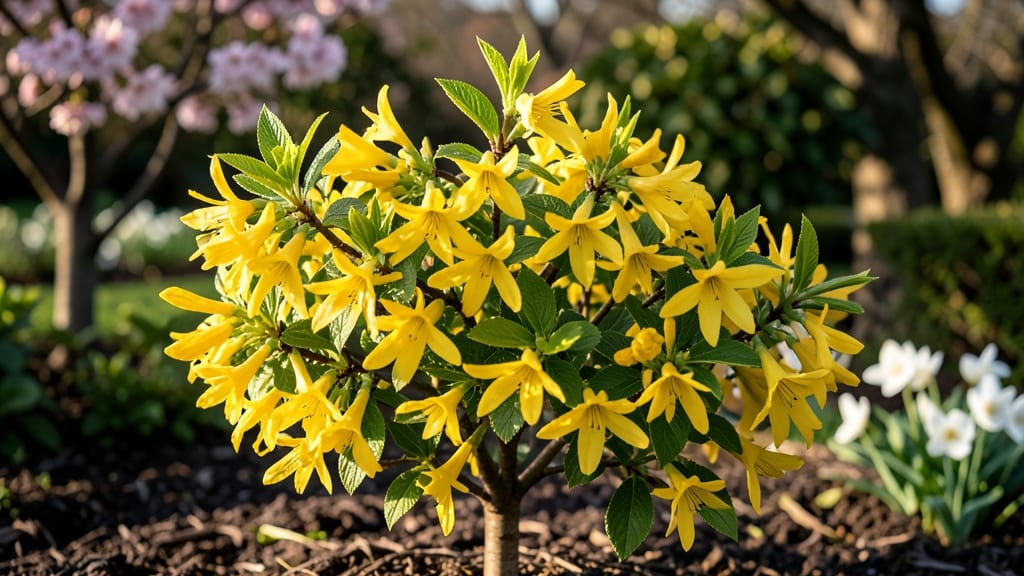
Forsythia blooms in Zone 7 between early March and late April, turning your yard into a golden spring spectacle 🌸 with minimal effort.
If you’ve ever wondered why your forsythia bushes burst into color at different times each year—or how to coax more flowers—understanding their bloom schedule is the key. Timing isn’t just about aesthetics; it directly impacts pruning decisions and future reblooms.
In Zone 7, where winters are mild but springs can be unpredictable, a few degrees difference can shift blooms by weeks. Learn how to track local microclimates and adjust care to ensure your forsythia puts on its best show every year.
Beyond timing, pruning plays a critical role. Cutting at the wrong time can reduce next year’s blooms, while strategic trimming can encourage more vibrant flowers. I’ll share the exact pruning window and techniques to keep your forsythia thriving for decades.
Forsythia bloom timeline in Zone 7: exact weeks & climate triggers
Predicting when your forsythia will bloom in Zone 7 isn’t just about crossing fingers for spring—it’s about understanding how temperature fluctuations and microclimates shape its schedule.
While most gardeners spot those golden yellow blooms between early March and late April, the exact timing can vary by 1-3 weeks depending on local conditions.
Forsythia is one of the first shrubs to announce spring’s arrival, often blooming before leaves emerge. This makes it a reliable harbinger of warmer weather, but also means it’s highly sensitive to late frosts and warm spells.
In my Zone 7a garden, I’ve seen blooms appear as early as late February in sheltered microclimates and as late as mid-April in exposed areas.
| Stage | Typical Week (Zone 7) | Climate Trigger | Microclimate Impact |
|---|---|---|---|
| Bud Formation | Late October - November | Cool nights (40-50°F) | Warmer microclimates form buds earlier |
| First Color Change | Early February | Daytime temps 55°F+ | Sunny slopes show color 1 week sooner |
| Peak Bloom | Mid-March to Early April | Consistent 60°F+ days | Urban heat islands bloom 5-7 days earlier |
| Final Blooms | Late April | Nighttime temps above 45°F | Wind-exposed areas finish 1 week later |
| Post-Bloom Leaf Out | Early May | Soil temps 55°F+ | South-facing plants leaf 10 days earlier |
The biggest variable in Zone 7 is whether winter was mild or harsh. A warm December can trick forsythia into forming buds 2-3 weeks early, while a cold snap in February can delay blooms until mid-April.
In 2023, my 'Spectabilis' variety bloomed 14 days earlier than average after a 40°F February, while my 'Kinsugigaku' (a Japanese variety) held off until April 5th due to its later bud set.
To track your local pattern, note the first day of bloom for 3 years and average it. I’ve found that urban gardens in Zone 7 often bloom 5-7 days earlier than rural areas because of the urban heat island effect.
Even a 5-foot difference in elevation can shift bloom time by 3-5 days—higher spots get cooler nights and bloom later.
Temperature isn’t the only factor—soil moisture during bud formation also plays a role. In dry winters, forsythia may delay blooming until it senses adequate moisture. Last year, my drought-stressed bush waited until April 10th to bloom, while a well-watered neighbor’s plant started in early March.
A deep watering in November can help ensure timely blooms.
If you’re planning to prune forsythia for more blooms, timing is critical. Blooms form on old wood, so pruning after late April removes next year’s flower buds. I’ve seen gardeners accidentally cut back too early in March and end up with no blooms the following spring.
The safest window for pruning is immediately after blooming (late April to early May).
For maximum blooms, pair your forsythia with early-blooming bulbs like daffodils or crocuses. This creates a stunning layered effect and helps pollinators find nectar earlier in the season. My Zone 7 garden features forsythia alongside 'Tête-à-Tête' daffodils, which bloom 2-3 weeks before the forsythia’s peak.
Pro tip: Use a garden journal to track bloom dates alongside minimum nighttime temperatures. Over time, you’ll spot patterns like "Blooms when night temps stay above 42°F for 3 nights". This data helps you predict future bloom times and adjust pruning or planting plans accordingly.
Remember, forsythia’s reblooming potential is limited—once buds form in fall, they’re set for next year. That’s why avoiding late-season pruning is crucial. With the right care, your Zone 7 forsythia will reward you with vibrant spring color year after year.
How pruning affects forsythia reblooms: best practices for Zone 7 gardeners
Pruning your forsythia at the wrong time can mean the difference between a vibrant spring rebloom and sparse, weak flowers. In Zone 7, timing is everything—especially since these shrubs bloom on old wood (last year’s growth).
Cutting too early or too late disrupts the plant’s energy reserves, which are stored in those mature stems. I’ve learned this the hard way after pruning my multi-stem forsythia in late winter and ending up with half the blooms the following spring.
Understanding your shrub’s growth cycle is critical. Forsythias in Zone 7 typically bloom between late February and early April, depending on local microclimates. The key is to prune after blooming but before the plant sets buds for next year.
This window usually falls between mid-April and early June. Waiting too long risks cutting off next year’s flower buds, while pruning too early can remove current blooms and weaken the plant.
Post-bloom pruning (after April 15) is ideal for most Zone 7 gardeners. Focus on removing dead, diseased, or crossing branches first. Then, thin out 1/3 of the oldest stems to encourage new growth and improve airflow. This method preserves your shrub’s structure while promoting reblooming potential. I’ve found that single-stem forsythias handle pruning more aggressively than multi-stem varieties, which can become leggy if over-pruned.
Pruning Timing for Zone 7 Forsythia
- ✅ Preserves next year’s flower buds
- ✅ Encourages reblooming on new wood
- ✅ Reduces disease risk by improving airflow
- ❌ Removes current year’s flower buds
- ❌ Can stunt reblooming for 1-2 years
- ❌ Risk of over-pruning old wood stems
- ✅ Thin 1/3 of oldest stems annually
- ✅ Avoid cutting more than 1/3 of foliage
- ✅ Prune gradually over 3 years
- ✅ Can handle harder pruning (up to 1/2)
- ✅ Rejuvenate with renewal pruning every 3-5 years
- ✅ Focus on shaping rather than thinning
A common mistake I see is over-pruning forsythias in late winter or early spring, thinking it’s like pruning spring-flowering shrubs. But forsythias are different—they rely on old wood for blooms. If you prune too aggressively in dormant season, you’ll likely sacrifice next year’s flowers.
Instead, I recommend a light pruning in late winter to remove only dead or damaged wood, then wait until after blooming for major shaping.
For reblooming success, pair pruning with proper fertilization and watering. After pruning in spring, apply a balanced fertilizer (like 10-10-10) to replenish nutrients. Water deeply once a week during dry spells to encourage new growth.
I’ve noticed that my Zone 7 forsythias rebloom more reliably when I combine post-bloom pruning with a 2-inch layer of mulch around the base to retain moisture and regulate soil temperature.
If your forsythia isn’t reblooming well, check your pruning habits first. Reblooming potential drops significantly if you consistently prune in dormant season or remove too many stems at once. For multi-stem bushes, aim to rotate stems—prune different branches each year to maintain a balance of old and new wood.
This strategy has helped my 10-year-old forsythia maintain vibrant blooms year after year, even in Zone 7’s variable climate.