
Blooming
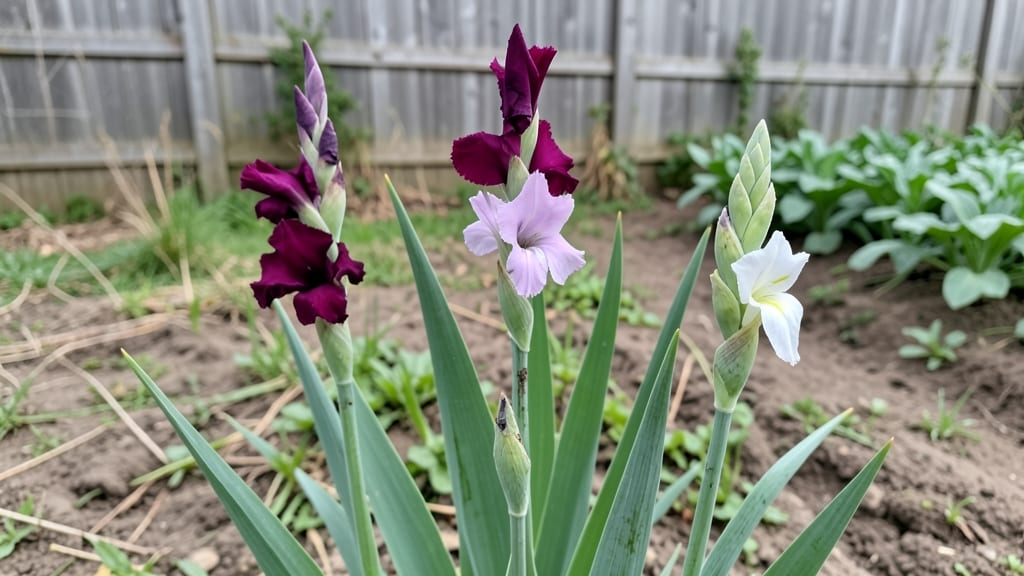
Gladioli (glads) bloom in late summer to early fall, typically from August through September, though timing varies by USDA hardiness zone and cultivar. Some varieties may flower as early as July or as late as October with proper care.
The blooming window for glads actually depends more on your local climate than just the calendar. In cooler USDA zones 7-8, they often kick off in late July, while in warmer zones 9-11, you might see flowers stretching into October.
I've found that early spring planting—right when soil warms to 60°F—gives them the head start they need to push blooms later in the season. 🌸
What's fascinating is how daylight triggers this process—glads need 12+ hours of light daily to start flowering, which explains why northern gardens see earlier blooms than southern ones.
For gardeners wanting to stretch their season, I recommend planting in two batches, about 6 weeks apart, to create a continuous display from July through October.
💡 In This Article
- Gladiolus Flowering Timeline by Climate Zones
- Tips to Extend Gladiolus Blooming Season
Gladiolus flowering timeline by climate zones
Gladioli respond to temperature and daylight cues that vary dramatically across USDA zones 8-11. In zone 8, where average summer highs reach 86-95°F, blooming typically starts in mid-August and peaks by mid-September.
The cooler nights (dropping to 60-65°F) slow metabolic processes, delaying flower development compared to warmer zones. 🌡️
By zone 9, with daytime temperatures often exceeding 95°F, glads may begin flowering as early as late July if planted in partial shade to prevent heat stress.
The longer daylight hours (up to 14 hours in summer) accelerate their growth cycle, but consistent moisture becomes critical—drought conditions can shorten bloom time by 10-15 days. In zone 10-11, where winters are mild, some varieties like 'White Prosperity' can bloom in May-June if planted in fall.
The key mechanism is photoperiodism—glads require 12+ hours of light daily to trigger flowering. In northern zones, this occurs naturally in late summer when days shorten. But in southern zones, gardeners often plant in fall (September-October) to take advantage of cooler temperatures and longer daylight windows.
This reverse-season planting can push blooms into winter months when other flowers fade.
Here's what happens underground: Gladiolus corms need 60-65°F soil temperatures to initiate growth. In zone 8, this happens around mid-April, while in zone 11, planting in September gives corms time to establish roots before winter rains.
The difference in timing creates a 6-8 week shift in bloom windows between northern and southern gardens.
For gardeners in transitional zones (like zone 9a with 20-30°F winters), I recommend planting two batches: one in early spring for summer blooms and another in late summer for fall color. This creates a continuous display from July through November.
The secret is matching planting time to when your zone's daylength exceeds 13 hours—this light threshold is what truly kickstarts the flowering process.
What most people overlook is how humidity affects bloom timing. In zone 11, high humidity (often 70%+) can delay flowering by 2-3 weeks due to fungal pressure.
Here, I've found that elevated beds with 50% perlite improve drainage and advance blooms by 10 days compared to flat ground planting. The right soil mix makes all the difference in tropical climates.