
Blooming
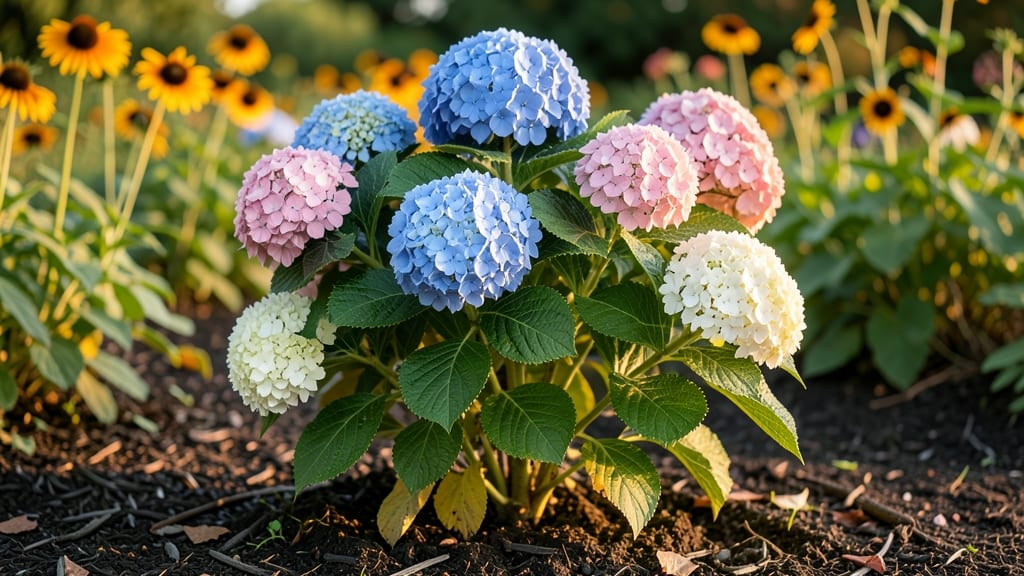
Hydrangeas in Wisconsin bloom between mid-July and early September, turning your yard into a colorful summer spectacle 🌸 — but only if you time their planting and care just right.
Wisconsin gardeners know timing is everything — especially when it comes to hydrangeas, whose stunning blooms can be fleeting if planted at the wrong time. But with the right frost-date strategy, you can ensure your hydrangeas explode with color just as Wisconsin’s summer heat settles in.
In USDA zones 4a-5b, late spring frosts can delay blooms, while early fall freezes cut them short. That’s why knowing your last frost date (usually around April 15) and choosing the right variety is the key to maximizing those showstopping blooms.
Below, I’ll break down the best bloom windows for Wisconsin’s most popular hydrangeas, how to adjust care for unpredictable weather, and three simple tricks to extend your blooms well into fall.
Hydrangea bloom timing in Wisconsin by variety: bigleaf vs. panicle vs. oakleaf
Wisconsin’s cool summers and variable frost dates create unique challenges for hydrangea lovers. The three main types—bigleaf, panicle, and oakleaf—bloom at different times, and knowing their windows helps you plan for maximum summer color.
Whether you’re planting new shrubs or caring for established ones, timing is everything to avoid late frost damage or missed blooms.
Bigleaf hydrangeas (Hydrangea macrophylla) are the most frost-sensitive, often blooming on old wood formed the previous year. Panicle hydrangeas (Hydrangea paniculata) bloom on new wood, giving them more flexibility in Wisconsin’s climate.
Oakleaf hydrangeas (Hydrangea quercifolia) fall somewhere in between, with mid-to-late summer blooms that last well into fall. Let’s break down their bloom windows and how to time your plantings for success.
🌱 Key Takeaway: Wisconsin’s USDA Zones 4-6 mean hydrangeas need late spring planting (after last frost) and protective measures for early bloomers. Panicle types are the most forgiving, while bigleaf varieties require extra care to avoid frost damage.
| Variety | Bloom Time | Blooms On | Frost Sensitivity | Best Planting Month | Wisconsin Notes |
|---|---|---|---|---|---|
| Bigleaf (H. macrophylla) | Mid-to-late summer (July–August) | Old wood | High (damaged by late frosts) | Late May–June | Plant after last frost; prune after blooming to preserve next year’s flowers. |
| Panicle (H. paniculata) | Late summer–fall (August–October) | New wood | Low (tolerates late frosts) | April–May or fall | Hardy and drought-tolerant; prune in late winter for best blooms. |
| Oakleaf (H. quercifolia) | Mid-summer–fall (July–September) | Old wood + new wood | Moderate (some frost risk) | April–May | Stunning fall foliage; prune after blooming to shape. |
For bigleaf hydrangeas, timing is critical because they set buds in late summer for the following year. If a late frost hits in May or June, those buds can be damaged, leading to fewer or no blooms the next season.
Plant them in well-draining soil with morning sun and afternoon shade to reduce stress. Varieties like 'Endless Summer' are more forgiving because they bloom on both old and new wood.
Panicle hydrangeas, like 'Limelight' or 'Little Lime', are the hardiest option for Wisconsin. They bloom on new wood, so even if frost nips early buds, you’ll still get late summer and fall blooms.
These varieties thrive in full sun and are drought-tolerant once established, making them ideal for low-maintenance gardens.
🌿 Pro Tip: If you’re unsure about frost dates, opt for panicle types or oakleaf varieties like 'Snow Queen'. These are more resilient and will reward you with longer bloom seasons even if Wisconsin’s weather throws a curveball.
Oakleaf hydrangeas are a hidden gem for Wisconsin gardens, offering double the beauty with their showy blooms and fiery fall foliage. They bloom on both old and new wood, giving you a two-season display.
Plant them in partial shade to protect their leaves from late afternoon sun, which can scorch them in Wisconsin’s hot summers.
To maximize blooms, mulch heavily around your hydrangeas in early spring to protect roots from temperature swings. Use 3–4 inches of organic mulch, like shredded bark, and keep it 2–3 inches away from the stem to prevent rot.
This helps retain moisture and insulate roots during Wisconsin’s unpredictable springs.
✂️ Pruning Matters: Bigleaf and oakleaf hydrangeas should be pruned right after blooming to avoid cutting off next year’s buds. Panicle types can be pruned in late winter or early spring to encourage larger, fuller blooms. Always use clean, sharp pruners and sterilize them with rubbing alcohol to prevent disease.
If you’re planting hydrangeas in Wisconsin’s Zone 4 areas, choose d
Wisconsin frost-dates and how they affect Hydrangea blooming seasons
Understanding Wisconsin's frost dates is key to predicting when your hydrangeas will bloom. The average last frost typically occurs between mid-April and early May, depending on your specific region within the state.
These dates directly impact when your hydrangeas will push out buds and eventually flower, with late frosts posing the biggest threat to early bloomers.
Hydrangeas are sensitive to frost, especially when buds form in late winter. A late spring frost (common in Wisconsin) can damage or kill emerging buds, delaying blooms or even preventing them entirely.
This is why Hydrangea macrophylla (bigleaf varieties) often bloom later in the season—they're more resilient to early frost damage compared to other types.
| Hydrangea Type | Bloom Window | Frost Sensitivity | Wisconsin Adaptation |
|---|---|---|---|
| Hydrangea macrophylla (Bigleaf) | Mid-to-late summer | High (buds form early) | Plant in sheltered spots; mulch heavily |
| Hydrangea paniculata (Panicle) | Late summer to fall | Moderate (buds form later) | Ideal for Wisconsin; blooms after frost risk |
| Hydrangea quercifolia (Oakleaf) | Mid-to-late summer | Moderate (buds hardier) | Thrives in cooler climates; less frost damage |
For Hydrangea paniculata, Wisconsin’s climate works in your favor. These varieties bloom on new wood, meaning their buds form later in the season after the frost risk has passed.
You’ll typically see blooms from late July through September, providing a longer display and avoiding the early frost threat that plagues other types.
If you're growing Hydrangea macrophylla, time your planting carefully. These varieties bloom on old wood, so buds form in late winter. To protect them, plant in sheltered locations or use frost cloth during late spring cold snaps.
In southern Wisconsin, blooms may appear as early as June, while northern regions might see them in July.
Always check your local USDA frost map before planting. Southern Wisconsin (Zone 5) generally has a 2-3 week earlier last frost date than northern areas (Zone 4). Adjust your expectations accordingly—this timing difference can mean the difference between June blooms and July blooms for the same variety.
Monitor your garden closely in May, when late frosts are most likely. If a frost warning appears, cover vulnerable plants with burlap or frost cloth to protect emerging buds.
With the right preparation, you can enjoy hydrangea blooms from mid-summer through fall, making your Wisconsin garden a true showstopper. 🌸