
Propagation
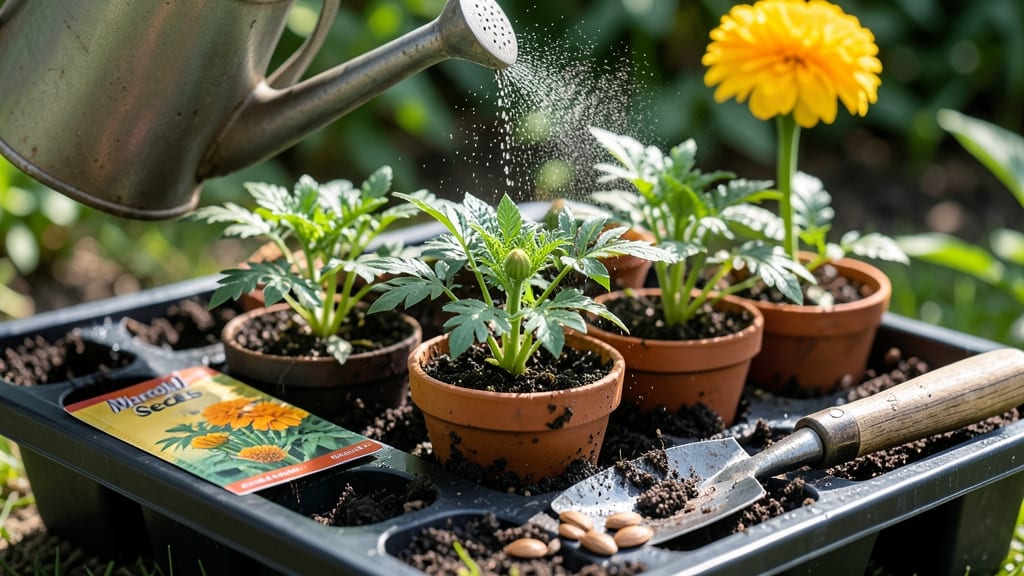
Marigolds bloom from seed in as few as 6 weeks for the fastest varieties, though most take 8-10 weeks to show their first vibrant 🌼 flowers.
Picture this: you’re pinching back seedlings in early May, and by mid-July, your garden is bursting with golden or orange blooms—no waiting until summer’s end. The secret? Choosing the right marigold type and giving them the perfect start in warm, well-drained soil.
French marigolds, like ‘Bonanza’ or ‘Tangerine,’ are the speed demons of the bunch, often flowering in just 45-55 days from seed. African marigolds, such as ‘Crackerjack’ or ‘Jingle Bells,’ take a little longer—closer to 70-80 days—but deliver bold, dinner-plate-sized blooms worth the wait.
In this guide, I’ll break down the fastest-blooming varieties, soil tricks to cut bloom time by 2+ weeks, and how to avoid common mistakes that turn your eager seedlings into late bloomers.
Fastest-blooming marigold varieties: days to flower from seed
If you're eager to see those bright marigold blooms pop up quickly, you're in the right place. Some varieties can flower in as little as 45 days from seed, while others take nearly double that time.
The key lies in choosing the right marigold type—French, African, or Signet—and understanding their unique growth timelines. Let's dive into the fastest options to get your garden glowing sooner rather than later.
I've grown marigolds for years, and I've learned that French marigolds are the speed demons of the bunch. They're compact, prolific bloomers, and many varieties can burst into color in just 6-8 weeks.
African marigolds, on the other hand, are taller and more dramatic but typically take 8-12 weeks to flower. Signet marigolds fall somewhere in between, offering a balance of speed and showiness with 7-10 weeks to bloom.
Here's the game-changer: germination speed varies too. Some seeds sprout in 5-7 days, while others take 10-14 days. That means your actual bloom timeline could stretch or shrink based on when those first little sprouts appear.
For example, a French marigold that germinates in 7 days and flowers in 45 days might actually give you blooms in 52 days total—that's less than two months from seed to showstopper!
Don't overlook color intensity when choosing varieties. The fastest bloomers like 'Bonanza Yellow' or 'Bonanza Gold' (French types) pack a punch with their vibrant hues. African varieties like 'Tangerine Dream' take longer but reward you with larger, more striking flowers.
If you're planting for both speed and impact, consider mixing a few of each type in your garden beds.
Now, let's talk real numbers. The comparison below breaks down the top fastest-blooming marigolds by type, including their average days to flower from seed and key characteristics. This will help you plan your planting schedule with precision, especially if you're aiming for early summer blooms or a fall display.
| Variety | Type | Days to Flower | Height | Color Intensity | Best For |
|---|---|---|---|---|---|
| Bonanza Yellow | French | 45-50 days | 12-18 inches | High | Early blooms, borders |
| Bonanza Gold | French | 45-52 days | 12-18 inches | Very High | Pollinator gardens |
| Janie | Signet | 50-55 days | 12-15 inches | High | Containers, edging |
| Tangerine Dream | African | 60-70 days | 24-36 inches | Very High | Cut flowers, focal points |
| Gold Rush | French | 40-45 days | 12-15 inches | High | Quick succession planting |
| Fireworks | Signet | 55-60 days | 12-18 inches | Very High | Mass planting
Soil and temperature tricks to trigger early marigold bloomsMarigolds are sun-loving powerhouses that reward patient gardeners with bold, pest-repelling blooms—but only if you give them the right conditions. The secret to cutting bloom time by 2+ weeks lies in two critical factors: soil pH and temperature control. With the right adjustments, you can push your French marigolds to flower in as little as 45 days from seed, instead of the usual 60-75 days. Start with well-draining soil that’s rich in organic matter. Marigolds hate soggy roots, so amending your garden bed with compost or aged manure creates the perfect foundation. Aim for a pH between 6.0 and 7.5—this slightly acidic to neutral range ensures your plants absorb phosphorus and calcium, nutrients crucial for flower development. A simple soil test kit (available at garden centers) will tell you if adjustments are needed. ⚠️ callout-tip
🌱 Pro Tip for Faster Blooms:
Marigolds planted in 60-70°F soil (measured 2 inches deep) will germinate in 5-7 days—half the time of cooler conditions. Use a seedling heat mat ($15-$25) under trays or row covers over outdoor beds to maintain warmth. For African marigolds, which take longer to mature, this trick can shave off 10-14 days from their bloom timeline. Sunlight is non-negotiable for marigolds—they thrive in full sun (6+ hours daily), but partial shade (3-4 hours) will still yield flowers, just later in the season. If your garden gets less than 4 hours of sun, consider growing dwarf varieties like 'Bonanza Yellow' in containers near a sunny window or patio. South-facing windows or raised beds get the most light, but even east or west exposures work if you rotate pots weekly. Temperature plays a surprising role in bloom speed. Marigolds germinate best in warmth (70-85°F) but bolt (prematurely flower) if nights dip below 50°F. To protect seedlings, use floating row covers or a mini greenhouse until true leaves form. Once hardened off, marigolds tolerate heat better than cold, so plant after your last frost date (typically mid-April in Zone 6a). For a second bloom cycle, sow a fresh batch in late summer—these will flower by early fall. Feed your marigolds low-nitrogen fertilizer (like 5-10-10) when they’re 4-6 inches tall to encourage flowering over foliage. Over-fertilizing with nitrogen delays blooms by promoting leafy growth. Water deeply once a week (more in extreme heat) but avoid wetting the leaves to prevent powdery mildew, a common fungal issue. Mulch with straw to retain moisture and regulate soil temperature—this simple step can add 5-7 extra days of bloom time by reducing stress. With these soil and temperature tweaks, you’ll enjoy marigold blooms weeks ahead of schedule. The key is consistency: warm soil, full sun, and balanced nutrients work together to turn seeds into vibrant flowers faster. Try these methods with your next batch—your garden will thank you with earlier color and fewer pests! 🌼 |