
Blooming
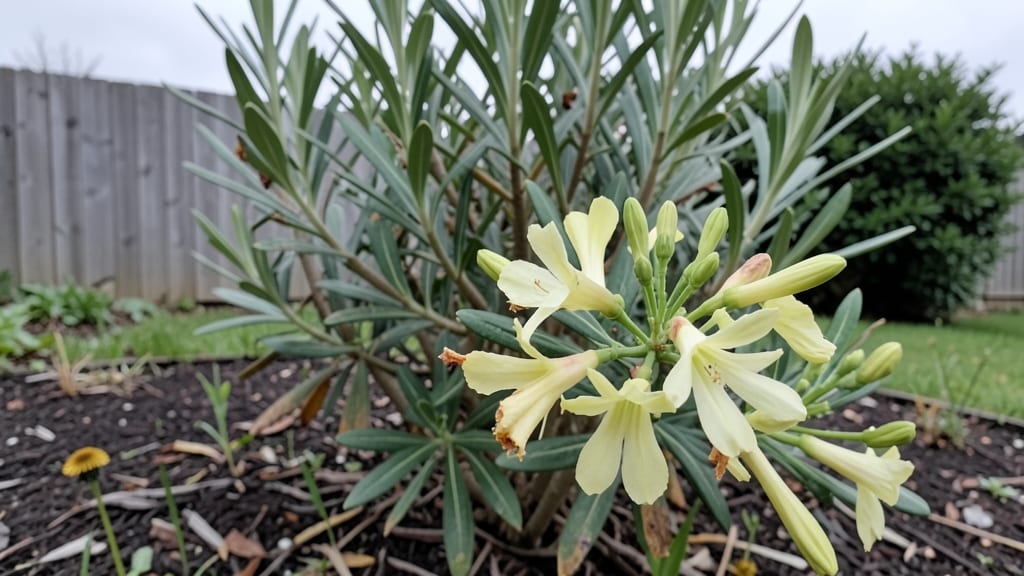
Oleanders bloom in late spring through summer, typically between May and August, though exact timing depends on climate, sunlight exposure, and plant maturity. Warmer regions may see earlier or prolonged flowering.
If you're in a USDA Zone 8 or warmer, your oleanders might start blooming as early as April, especially if they’re established and healthy. These plants thrive in heat, so they often reward gardeners with longer flowering seasons—sometimes stretching into early fall.
The key is balancing their love for warmth with proper care, like avoiding overwatering during their peak bloom months. 🌿
In cooler climates, like Zone 7 or below, oleanders may wait until June or July to flower, and their blooms could fade sooner unless you provide extra protection. I’ve seen them in containers moved indoors during cold snaps, which can trick them into reblooming later in the season.
The trick is observing their cues—wilting leaves or delayed buds often signal they need more sunlight or warmth. 💛
💡 In This Article
- Climate and Location Factors Affecting Oleander Flowering
- Pruning and Care Tips to Encourage Oleander Blooms
Climate and location factors affecting oleander flowering
Oleanders are native to Mediterranean climates, where they've evolved to thrive in hot, dry conditions with 6-8 hours of direct sunlight daily. Their blooming cycle is directly tied to temperature cues—typically, they need consistent 70-90°F daytime temperatures to trigger flower buds.
In regions like USDA Zones 9-11, where summers stay above 80°F, oleanders often bloom continuously from late spring through fall, sometimes even into winter if temperatures remain mild. 🌞
The plant's internal clock responds to photoperiod (day length) and thermal thresholds. Oleanders begin bud formation when nighttime temperatures stay above 60°F for at least 3-4 weeks.
This explains why they flower earlier in southern California (where nights rarely drop below 65°F in spring) compared to Florida's coastal areas, where cooler ocean breezes can delay blooming until June.
The plant's tropical origins mean they're sensitive to frost—even a single night below 32°F can shock the system and halt flowering entirely. 🌡️
Sunlight exposure plays a critical role in both bud initiation and color intensity. Oleanders grown in full sun produce 20-30% more blooms than those in partial shade, thanks to higher photosynthesis rates.
The deep pink, white, or yellow flowers develop their vibrant hues from anthocyanin pigments, which require sunlight to synthesize. In shaded conditions, blooms may appear paler and last 10-15% shorter.
This is why urban gardeners often see better results when planting oleanders against south-facing walls or in containers that can be rotated for even light exposure. 🌸
Regional climate variations create dramatic differences in bloom timing. In Zone 8 (like parts of Texas or Georgia), oleanders may start flowering in April if winter temperatures stayed above 40°F, while Zone 10 plants (Hawaii or Arizona) might bloom year-round with only slight seasonal variations.
The plant's dormancy period—when it conserves energy—is triggered by cooler nights below 65°F or reduced sunlight during shorter winter days. This dormancy is crucial for reblooming in spring, as it allows the plant to reset its energy reserves. 🌿
Here's what most gardeners don't realize: Oleanders in coastal climates (like San Diego or Charleston) often bloom 2-3 weeks later than inland plants at the same latitude due to the moderating effects of ocean air.
The high humidity near coasts can also increase susceptibility to fungal issues, which may stress the plant and delay flowering. In contrast, desert climates (like Phoenix) produce oleanders with thicker, waxier leaves that conserve moisture, allowing them to focus energy on blooming during the 100°F+ summers. 🏜️
For those in transitional climates (like Zone 7b), the key to encouraging blooms is mimicking tropical conditions. Using black plastic mulch around the base can raise soil temperatures by 5-10°F, while windbreaks protect against chilly coastal breezes.
I've seen gardeners in Atlanta achieve 6-week-long bloom cycles by combining these techniques with slow-release fertilizer applied in early spring. The plant's remarkable adaptability means it can adjust its schedule based on these microclimates—making it one of the most resilient flowering shrubs for warm-weather gardeners. 🌱