
Blooming
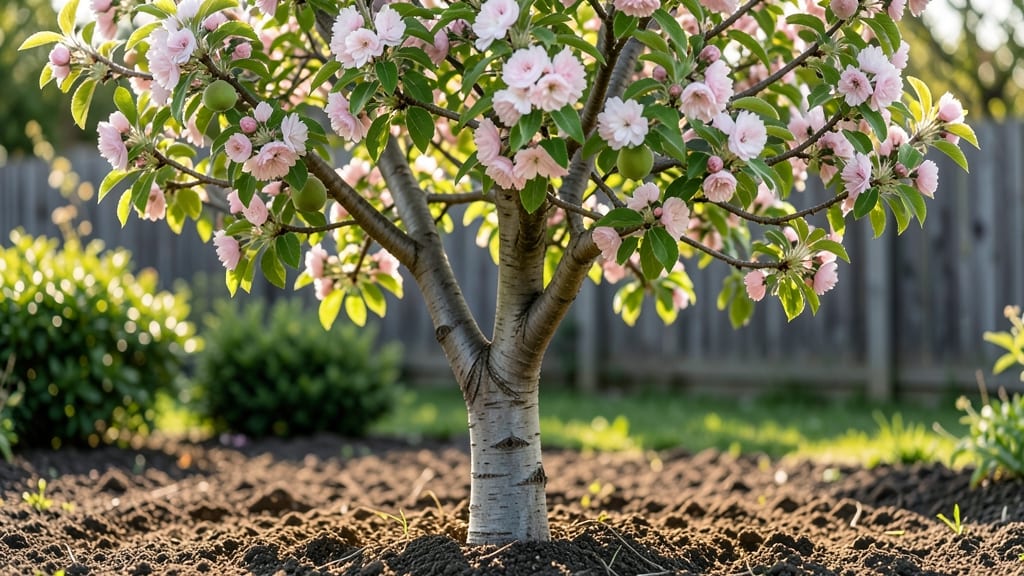
Peach trees bloom in Texas between February and May, but the exact timing depends on your heat zone, variety, and even last year’s weather.
Picture this: you’ve waited all winter for those delicate pink blossoms 🍑, only to wake up to a late frost wiping them out before they even set fruit. That’s why knowing your zone—and the right varieties—isn’t just helpful, it’s essential for a bountiful harvest.
Texas gardeners in the 8a-10b zones face unique challenges, from North Texas freezes to South Texas heat spikes, both of which can derail bloom timing. The good news?
With the right prep—like pruning at the right time or protecting blossoms from cold snaps—you can turn those risks into reliable fruit production.
In this guide, I’ll break down the exact bloom windows by zone, the best varieties for your region, and how to safeguard your tree’s blossoms so you’re left with peaches—not just pretty flowers.
Peach tree bloom timing in Texas by heat zone (zones 7-10)
Texas gardeners know that peach tree bloom timing can make or break your harvest—especially when late freezes or early heat waves throw off nature’s schedule.
In USDA Zones 7-10, bloom periods shift dramatically from North Texas to the Rio Grande Valley, with some varieties flowering as early as late February and others waiting until mid-April. Understanding these windows helps you protect blossoms and predict fruit production with confidence.
Peach trees in Texas typically bloom when daytime temperatures consistently reach 55-65°F for at least 3-5 days. However, heat zone differences create a 3-4 week variance in bloom timing.
For example, Zone 7a (North Texas) may see blossoms in late March, while Zone 10a (South Texas) could start as early as mid-February. This variation is why choosing the right variety for your zone is critical—some simply won’t survive the unpredictable Texas springs.
Key temperature triggers for peach tree blooming include:
- Chill hours: Most Texas peach varieties need 300-500 hours below 45°F to break dormancy.
- Daytime warmth: Blooms trigger when temps stay above 55°F for 3+ days.
- Nighttime stability: Avoid freezes below 28°F—they can kill blossoms overnight.
| USDA Zone | Typical Bloom Window | Early Varieties | Mid-Season Varieties | Late Varieties | Freeze Risk |
|---|---|---|---|---|---|
| Zone 7a-7b (North Texas) | Late March–Early April | Elberta, Redhaven | Halford, Reliance | O’Henry, Contender | High (Feb–March) |
| Zone 8a-8b (Central Texas) | Mid-March–Late March | Fay Elberta, Bonanza | Suncrest, Springcrest | Contender, Redtop | Moderate (Feb–March) |
| Zone 9a-9b (East/Central Texas) | Late February–Mid-March | Bonanza, Suncrest | Elberta, Redhaven | Contender, O’Henry | Low (rare below 28°F) |
| Zone 10a-10b (South Texas) | Mid-February–Early March | Bonanza, Suncrest | Fay Elberta, Redtop | Contender, Springcrest | Very Low |
In Zone 7a, where late freezes are common, late-blooming varieties like O’Henry often outperform early bloomers. These trees wait until April, when frost risks drop significantly.
Meanwhile, Zone 10a gardeners can plant Bonanza peaches and expect blossoms by mid-February, giving fruit time to mature before summer’s heat peaks. The key is matching your variety to your zone’s last frost date—check the Texas A&M AgriLife Extension maps for precise local data.
If you’re in North Texas (Zone 7-8), prioritize late-season varieties like Contender or Redtop, which bloom after the March frost danger has passed. For South Texas (Zone 9-10), early bloomers like Bonanza thrive because they avoid the scorching summer heat that can stress
Best peach tree varieties for Texas blooming seasons and pollination
Choosing the right peach tree varieties for Texas means matching bloom times to your region's frost risks and heat patterns. Early bloomers like Redhaven can face freeze damage in North Texas, while late varieties like Elberta thrive in South Texas's warmer springs.
Let's break down the best options by bloom season and pollination needs to maximize your harvest.
Texas spans USDA zones 7-10, creating microclimates where bloom timing can shift by weeks. Early bloomers (February-March) need protection from late frosts, while late bloomers (April-May) avoid spring freezes entirely. Self-pollinating varieties simplify planting, but cross-pollinating pairs often yield more fruit. Here's what works best in each Texas region.
| Variety | Bloom Time | Pollination | Best Zones | Notes |
|---|---|---|---|---|
| Redhaven | Late Feb-March | Cross | 7-9 | Classic red freestone; needs partner |
| Elberta | March-April | td style="padding: 8px; border: 1px solid #a1e6c5;">Self8-10 | Yellow freestone; heat tolerant | |
| Sanguinelle | April-May | Self | 9-10 | Dwarf variety; red blush |
| Bonanza | March | Cross | 7-9 | Clingstone; disease resistant |
| Contender | Late March | Self | 8-10 | Freestone; late-season harvest |
For North Texas gardeners (zones 7-8), planting cross-pollinating pairs like Redhaven + Bonanza ensures better fruit set. These varieties bloom in late February-March, so protect blossoms with frost cloth if forecasts warn of 28°F nights.
In Central Texas (zones 8-9), Elberta thrives as a self-pollinating option with March-April blooms, avoiding early frost risks.
Southern Texas (zones 9-10) can grow late-blooming varieties like Sanguinelle or Contender, which flower in April-May when frost threats have passed. These self-pollinating dwarf trees are perfect for urban yards with limited space. Dwarf varieties also mature faster, giving you fruit in 2-3 years instead of 5-6.
Pro tip: Pair early bloomers with late bloomers to extend your harvest window. For example, plant Redhaven (Feb-March) alongside Contender (March-April) for peaches from May through July. Always check local nursery recommendations—some Texas counties have microclimates where bloom times shift by 1-2 weeks.
Remember, Texas heat after bloom can cause fruit drop. Keep trees well-watered (1-2 inches per week) during fruit development to prevent sunburn and cracking. With the right variety and timing, you'll enjoy juicy Texas peaches from your own tree! 🍑