
Blooming
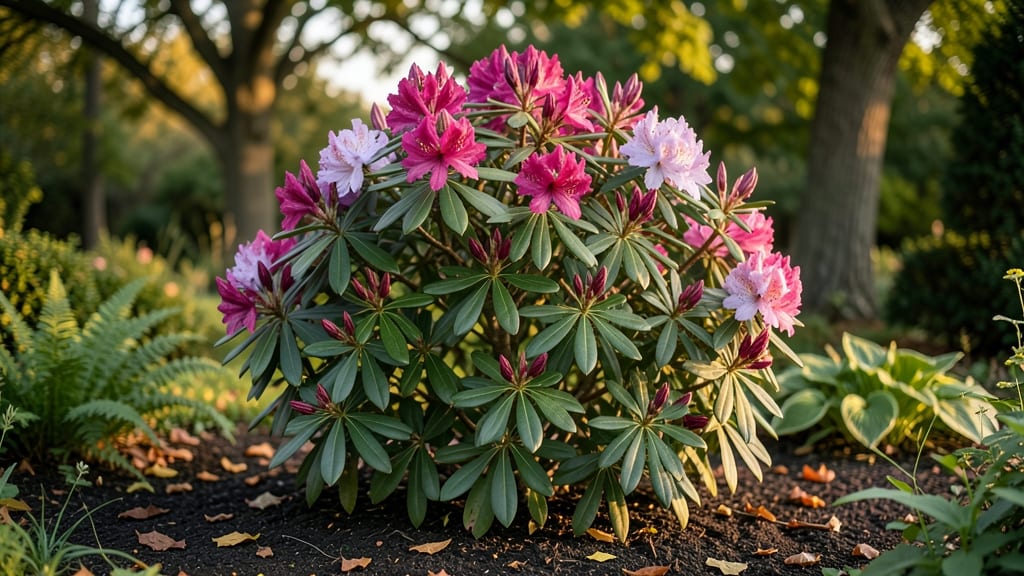
Rhododendrons bloom in Pennsylvania between late April and early June 🌸, when daytime temperatures consistently hit 50°F and stay there.
If you’ve ever wondered why your Pennsylvania rhododendrons bloom later than neighbors’—or why some years they skip flowering entirely—you’re not alone. These iconic shrubs time their stunning displays with precision, but late frosts and regional microclimates can throw off their schedule.
In USDA zones 5b-7a, blooms typically start in the southern tier (like Pittsburgh) by mid-April, while northern areas (near Erie) may wait until late May.
The key trigger? Heat accumulation—once buds sense steady warmth, they burst into color, but a sudden cold snap can delay or even halt the show.
Below, I’ll break down how to time your garden plans around rhododendron blooms, spot early signs of bud set, and protect them from Pennsylvania’s notorious late frosts. You’ll learn which varieties bloom earliest, how to encourage reliable flowering, and why your soil pH might be the real game-changer.
Pennsylvania rhododendron bloom timeline: months, zones, and heat triggers
Rhododendrons in Pennsylvania follow a spring bloom calendar tightly linked to heat accumulation and late frost risks. Unlike tropical climates, these shrubs need chilling hours (300–500) followed by warm daytime temperatures (60–70°F) to trigger buds.
In Zone 5b, blooms often wait until late April or May, while Zone 7a gardens may see flowers as early as mid-April. The key? Heat units (growing degree days) must reach 400–600 before buds burst.
Pennsylvania’s late spring frosts (common until mid-April) can devastate blooms if temperatures dip below 28°F during bud formation. Even a 32°F frost in March or April can blacken delicate petals. Microclimates matter too—urban heat islands may advance blooms by 1–2 weeks compared to rural areas.
For example, Philadelphia’s Rhododendron maximum often blooms 2 weeks earlier than those in Poconos’ cooler Zone 5b.
🌸
| USDA Zone | Avg. Bloom Window | Heat Units Needed | Key Variety | Frost Risk |
|---|---|---|---|---|
| Zone 5b | Late April – Early May | 550–650 GDD | Rhododendron catawbiense 'Catawbiense Album' | High (late frosts common) |
| Zone 6a | Mid-April – Late April | 500–580 GDD | Rhododendron 'PJM' (early bloomer) | Moderate (frosts possible) |
| Zone 6b | Early April – Mid-April | 450–520 GDD | Rhododendron 'Nova Zembla' | Low (urban areas) |
| Zone 7a | Late March – Early April | 400–480 GDD | Rhododendron maximum (wild type) | Minimal (rare frosts) |
GDD = Growing Degree Days (50°F baseline)
Your rhododendron’s bloom date depends on its cultivar and microclimate. For instance, Rhododendron 'PJM'—a Zone 6a favorite—often blooms 2 weeks earlier than Catawbiense varieties due to its earlier heat trigger.
In southern PA (Zone 7a), Rhododendron maximum may even produce fall blooms in September if summer heat was sufficient. Track your local growing degree days (GDD) using tools like the Penn State Ag Weather Network to predict blooms.
Heat accumulation isn’t the only factor—soil moisture and winter chilling play roles too. Drought stress in late summer can delay next year’s buds, while insufficient chilling (<300 hours below 45°F) may cause bud blast (buds forming but failing to open).
In Pittsburgh (Zone 6a), I’ve seen Rhododendron 'Roseum Elegans' bloom 3 weeks late after a mild winter with fewer than 400 chilling hours.
🌿
To advance blooms, plant early-flowering cultivars like 'Nova Zembla' or 'Carolina Ruby', which thrive in Zones 5–7 and bloom 1–2 weeks earlier than average. For late-frost zones, choose late-blooming varieties like 'Catawbiense Album'—their tougher buds survive 30°F frosts better.
Mulch with 3–4 inches of pine bark in fall to insulate roots and protect buds from temperature swings.
Pro tip: Monitor your rhododendron’s buds in March. If they’re swollen but not colored, they’re frost-sensitive—cover with frost cloth if 28°F+ frosts are forecasted. In my Zone 6b garden, I’ve saved dozens of blooms by watering deeply
How late frosts and microclimates affect rhododendron blooms in PA
Pennsylvania’s rhododendrons rely on consistent warmth to trigger blooming, but late frosts can delay or damage buds entirely. In USDA Zones 5b-7a, most varieties need 50°F+ temperatures for 7-10 days to set buds.
When April frosts hit after buds form, they often blacken—explaining why some years your shrubs bloom in late April while others wait until May.
Urban areas like Philadelphia experience heat-island effects, creating microclimates where rhododendrons bloom 1-2 weeks earlier than rural Poconos gardens. The Appalachian foothills also delay blooming due to cooler nights, while valley regions like Lancaster may see earlier flowers from trapped warmth.
⚠️ Critical 50°F Threshold Alert
Rhododendron buds require consistent 50°F+ for 7+ days to open. If temperatures drop below 50°F after buds form, they’ll blacken and die. Use frost cloths or mulch to protect buds during late April cold snaps—this is the #1 reason for skipped blooms.
To protect your rhododendron blooms, plant them near south-facing walls or under deciduous trees that delay frost exposure. Mulch heavily (3-4 inches) with pine straw or wood chips to insulate roots and buds.
In Zone 5b, choose early-blooming varieties like 'Catawbiense Grandiflorum', which tolerates cooler springs better than late bloomers.
Another trick: Water deeply in late winter to encourage root growth before bud set. Well-hydrated plants handle temperature fluctuations better. Avoid pruning after buds form—this stresses the plant and makes it more vulnerable to frost damage. Instead, prune right after flowering to shape without risking bud loss.
Monitor your local frost-free date (typically April 15 in PA but varies by 10 days between regions). If your area has a history of late frosts, opt for fall-blooming rhododendrons like 'PJM', which sets buds in summer when temperatures are more stable.
These bloom in September-October, avoiding spring frost risks entirely.
Finally, urban gardens often bloom earlier due to concrete heat retention. If you’re in a city, your rhododendrons may flower 2 weeks ahead of rural counterparts. Use this to your advantage: plant late-blooming varieties in rural areas and early bloomers in urban spots for a staggered, extended display.