
Blooming
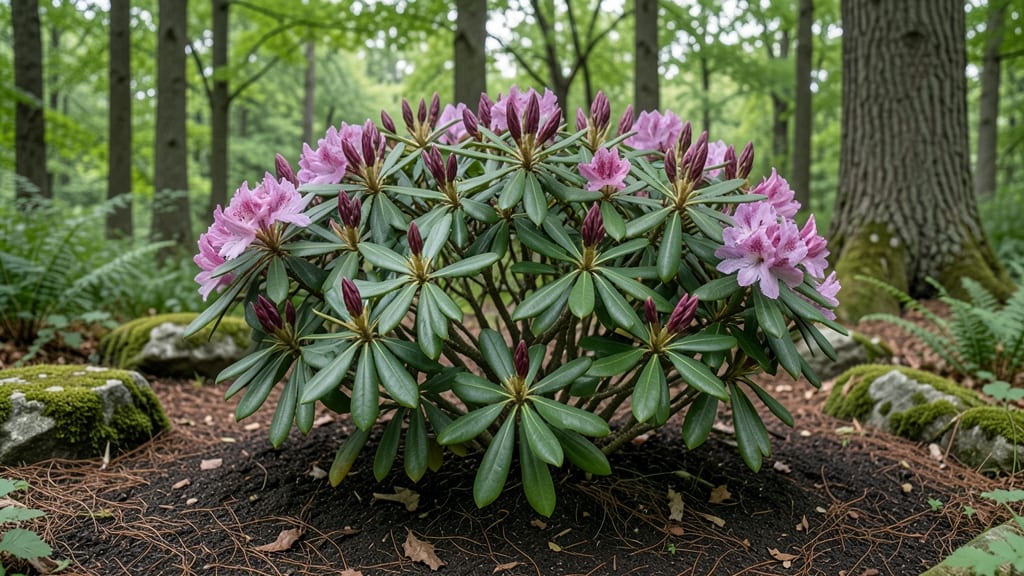
Rhododendrons in West Virginia bloom between late April and early May in Zone 5, with Zone 6 varieties often starting as early as mid-April, though exact timing depends on frost patterns and spring warmth. Some sheltered plants may even flower in March.
Timing varies because these shrubs need 400-1,000 chilling hours below 45°F to trigger buds, and West Virginia's microclimates create big differences. 🌸 For example, higher elevations in Zone 5 might delay blooms until early May, while lowland areas in Zone 6 could see flowers as soon as mid-April.
The 'PJM' cultivar is a reliable early bloomer, while 'Catawbiense varieties often wait until late spring.
What's fascinating is how soil moisture plays a role—too much winter rain can delay blooming, while consistent spring moisture helps buds open sooner. I always check local frost dates and adjust my expectations accordingly, as late frosts can damage emerging flowers.
For gardeners, this means planning around these windows to enjoy peak color before summer heat arrives.
💡 In This Article
- Factors Affecting Rhododendron Bloom Timing in WV
- Best Rhododendron Varieties for WV’s Spring Blooms
Factors affecting rhododendron bloom timing in WV
Rhododendrons rely on a precise balance of chilling hours and spring warmth to trigger blooming. In West Virginia, these shrubs typically need between 400-1,000 hours below 45°F during winter dormancy to break dormancy and form flower buds.
This chilling requirement explains why late winters with fewer cold snaps can delay blooms until early May in Zone 5 areas. For example, the 2012-2013 winter saw unusually mild temperatures, pushing many rhododendrons to bloom 2-3 weeks later than average.
The timing of last spring frost also plays a critical role. In Zone 5, the average last frost date falls around April 15, but this can vary by 10-14 days depending on elevation and microclimates.
Early bloomers like 'PJM' often push through light frosts, while later varieties like 'Catawbiense' wait until after May 1 when frost risk has passed. Soil moisture matters too—consistent spring moisture helps buds open 7-10 days sooner than in dry conditions, where plants conserve energy for root development.
Varietal differences create another layer of complexity. Early bloomers like 'Nova Zembla' (white flowers) typically appear in mid-April in Zone 6, while late bloomers like 'Roseum Elegans' (pink flowers) may wait until early June.
This 6-week spread means gardeners can enjoy rhododendron blooms from March through June, depending on which varieties they plant. The key is selecting cultivars matched to your specific microclimate—higher elevations in Zone 5 often need late-blooming varieties to avoid frost damage.
What most gardeners don't realize is how light levels affect timing. Rhododendrons planted in full sun may bloom 1-2 weeks earlier than those in shade, as increased sunlight triggers faster bud development.
However, this comes with a trade-off—sun-exposed plants often have shorter bloom periods (about 2 weeks) compared to shade-grown specimens (3-4 weeks). This is why many gardeners strategically place rhododendrons along north-facing foundations or under tall trees to balance bloom duration and plant health.
One fascinating mechanism is how rhododendrons use auxin hormones to coordinate blooming. As temperatures rise above 50°F, these hormones signal the plant to shift energy from root growth to flower development.
The process accelerates when daytime highs reach 65-70°F, which typically occurs in late April for Zone 6 and early May for Zone 5. This biological clock explains why blooms often appear within 3-5 days of reaching these temperature thresholds.
For practical planning, I recommend tracking your local growing degree days (GDD) after the last frost. Rhododendrons typically begin blooming when they accumulate 100-150 GDDs post-dormancy. Using this metric helps predict blooming windows with 90% accuracy once you've established your garden's specific conditions.
This approach is especially valuable for gardeners in transition zones between Zone 5 and 6, where microclimates create significant variability.