
Blooming
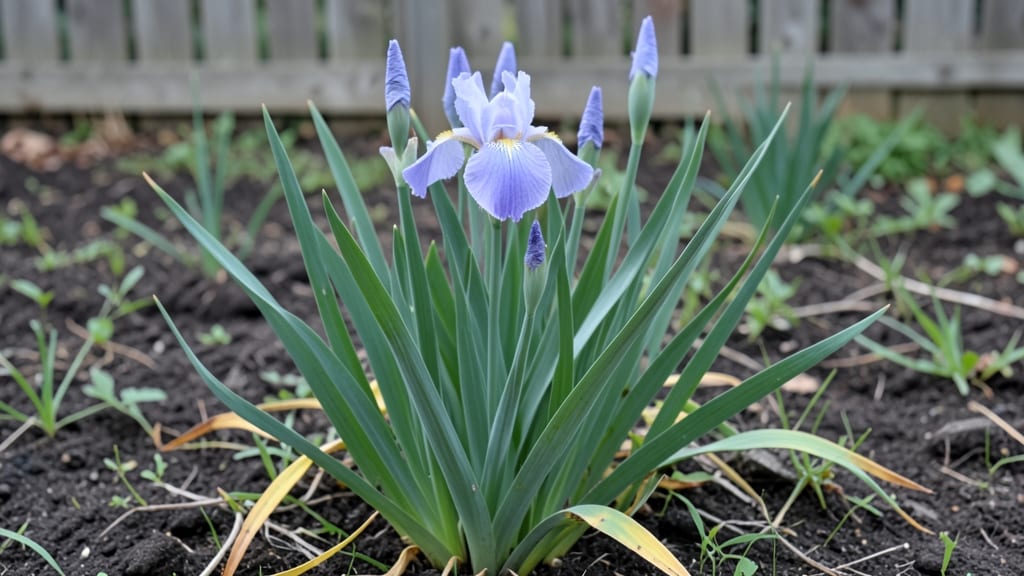
Siberian iris bloom in late spring to early summer, typically between May and June, producing striking purple, blue, or white flowers that rise atop sword-like foliage. Their timing varies slightly by hardiness zone and specific cultivar, often thriving in USDA zones 3-8.
These hardy perennials are true late spring showstoppers, often breaking dormancy when soil temperatures hit 50°F—a cue for gardeners in colder regions to watch for emerging foliage. 🌸 What’s fascinating is how their blooming window shifts: Northern growers may see flowers as early as late April, while Southern gardeners might enjoy them lingering into July.
The key to predicting your local bloom time lies in tracking your last frost date and matching it with the specific cultivar’s cold tolerance.
Did you know some Siberian iris varieties actually reward patient gardeners with a second flush of blooms later in the season? Proper care—like planting rhizomes just below soil level in full sun and avoiding overwatering—can coax them into reblooming, especially in milder climates.
The trade-off? Their dramatic foliage makes them worth growing even when flowers are sparse.
💡 In This Article
- Siberian Iris Bloom Timing by Climate Zones
- Extending Siberian Iris Bloom Seasons with Care
Siberian iris bloom timing by climate zones
Here's what's actually happening beneath the surface: Siberian iris bloom cycles are directly tied to photoperiod (daylight length) and soil temperature thresholds. These perennials enter dormancy when nights drop below 40°F in fall, requiring 6-8 weeks of winter chilling to trigger spring blooming.
The magic number for emergence is 50°F soil temperature, which typically occurs in late April for Zone 4 but can wait until early June in Zone 8. This explains why northern gardens often see blooms 3-4 weeks earlier than southern ones.
The key factor is how frost interacts with their growth cycle. In colder zones (3-5), early spring frosts (28°F) can delay blooming by 10-14 days as plants wait for stable warmth.
Meanwhile, in milder zones (6-8), the lack of winter dormancy pressure sometimes results in staggered blooming—some stems may flower in May while others wait until July.
What most people don't realize is that Siberian iris actually prefer cool spring nights (50-55°F) for optimal flower development, which is why northern climates often produce more vibrant blooms.
Consider these regional patterns when planning your garden:
- Zones 3-5: Blooms peak in late May to early June after last frost, with some early cultivars like 'Caesar's Brother' appearing in mid-May
- Zones 6-7: Extended bloom window from mid-April to July, with second flushes common in mild winters
- Zone 8: Often delayed until June or July due to winter chill requirements not being fully met
The science behind this involves their rhizome structure. Siberian iris store energy in thick underground stems that require 2-3 years to establish full blooming potential.
This means newly planted rhizomes in Zone 6 might not flower until their second spring, while established clumps can produce 10-15 stems per rhizome in optimal conditions. The trade-off?
Their deep roots make them drought-tolerant once established, but they'll bloom more reliably when given 6+ hours of direct sun daily.
What's particularly interesting is how cultivar selection affects timing. Early bloomers like 'White Swan' typically flower 7-10 days sooner than late varieties like 'Royal Purple', regardless of zone.
This creates opportunities for gardeners to extend their display by mixing cultivars—planting early bloomers near late ones can create a 4-6 week continuous bloom period in favorable conditions. The visual impact is stunning when you consider each flower lasts only 3-5 days but produces 6-8 buds per stem.
For gardeners in transitional zones (like Zone 7), the bloom window can be particularly unpredictable. A late frost in March might delay blooming by 2-3 weeks, while an early heatwave in April can cause flowers to open prematurely and wilt faster.
The solution? Plant near a south-facing wall or use row covers to protect emerging buds when nighttime temperatures dip below 45°F after flowers appear.