
Blooming
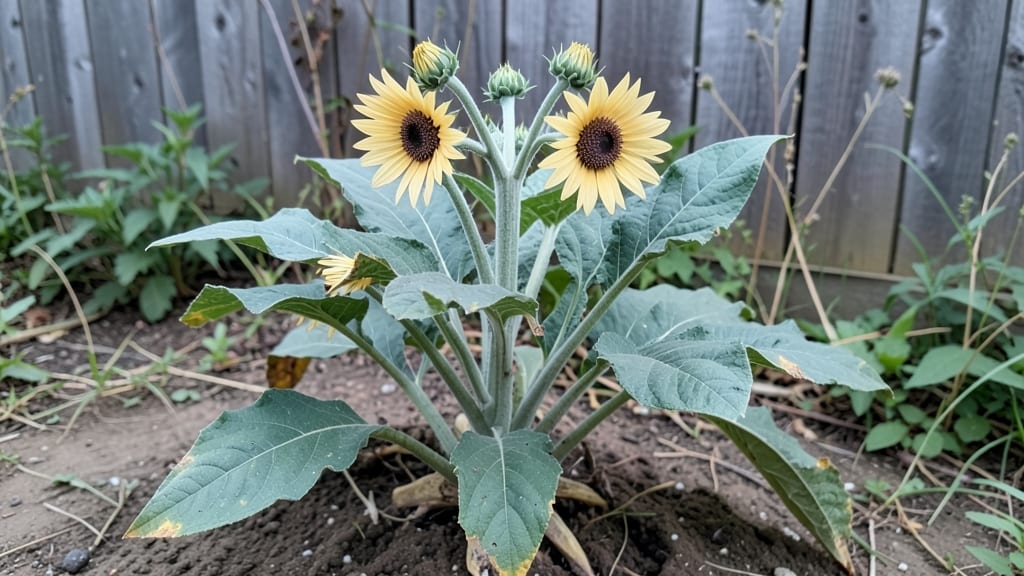
Sunchokes (Jerusalem artichokes) bloom in mid-to-late summer, typically between July and August, producing small, tubular purple or white flowers that resemble daisies with slender petals. They thrive in full sun and well-drained soil, often flowering after their second growing season.
Timing matters when waiting for these edible tubers to flower, as they often need a full growing season to mature their roots before putting energy into blooms. 🌿 I’ve noticed that plants grown from tubers planted in early spring tend to flower earlier than those from fall plantings, thanks to their head start in warmer soil.
The flowers aren’t just pretty—they’re a sign the tubers below are storing energy for next year’s harvest.
If you’re growing sunchokes in cooler climates, don’t rush—these perennials may take two full seasons to produce flowers, especially if your summers are shorter.
The key is patience: once they bloom, you’ll know your patch is thriving, and those delicate purple or white blossoms will attract pollinators while hinting at the sweet tubers waiting underground.
💡 In This Article
- Sunchoke Flowering Season Explained
- Encouraging Sunchoke Flowers in Your Garden
Sunchoke flowering season explained
Here's what's actually happening when sunchokes bloom: these perennials rely on a perfect storm of temperature and daylight cues to trigger their flowering cycle. The magic happens when daytime temperatures consistently reach 60-75°F for at least 2-3 weeks, signaling to the plant that summer has arrived.
This temperature range aligns with the plant's natural growing zone (USDA zones 3-9), where the longer daylight hours of summer—typically 14-16 hours of daylight—provide the additional energy boost needed for flower production. 🔥
The flowering process begins when the plant's tubers, which have been storing energy all winter, reach a critical mass of about 1-2 inches in diameter. This maturity threshold ensures the plant has enough reserves to support both tuber growth and flower development.
What most people don't realize is that sunchokes are actually photoperiod-sensitive—they respond to increasing daylight rather than just temperature alone. In regions with shorter summers, like the Pacific Northwest, flowering may be delayed until late August or even September, as the plants wait for sufficient daylight accumulation.
Soil conditions play a surprisingly large role in this timing. Sunchokes thrive in well-drained soil with a slightly acidic to neutral pH (6.0-7.0), which allows their fibrous roots to access adequate nutrients like potassium and phosphorus—both essential for flower development.
I've found that plants grown in heavier clay soils often bloom later because their roots struggle to access oxygen and nutrients efficiently.
The key factor here is nutrient availability: when tubers have access to consistent moisture and balanced nutrition, they'll put more energy into flowering rather than just vegetative growth.
There's also a fascinating biological trade-off at play: sunchokes prioritize tuber growth over flowering in their first year, which is why you rarely see blooms during the initial growing season. This survival strategy ensures the plant establishes a strong root system before diverting energy to reproduction.
Once the tubers reach 3-4 inches in diameter (typically by their second summer), the plant finally "decides" it's safe to flower, producing those delicate 1-2 inch purple or white blossoms that emerge from the center of the plant's rosette. 💫
Interestingly, the color of the flowers—whether purple or white—isn't just random; it's influenced by the plant's genetic makeup and environmental conditions. Purple flowers contain higher levels of anthocyanins, which act as natural sunscreen protecting the plant from UV radiation.
In cooler climates, you'll often see more purple blooms because the plants produce these protective pigments as a survival mechanism. Meanwhile, white-flowering varieties tend to dominate in warmer regions where UV protection is less critical.
The flowering window typically lasts about 4-6 weeks, during which each plant can produce dozens of individual flowers. What's particularly striking is how these blooms appear in clusters along the plant's central stem, creating a dramatic vertical display that contrasts beautifully with the plant's broad, lobed leaves.
This architectural feature makes sunchokes a favorite among gardeners who appreciate both their edible qualities and ornamental value. 🌟
What most gardeners don't realize is that the presence of flowers actually indicates the tubers below are reaching peak maturity.
The plant's energy allocation shifts from root development to reproductive growth, which means the tubers you harvest after flowering will be larger and more flavorful than those harvested earlier in the season.
This biological connection between above-ground blooms and below-ground tubers is one of the most interesting aspects of growing sunchokes—it's nature's way of signaling that your harvest is about to get even better. ✨