
Blooming
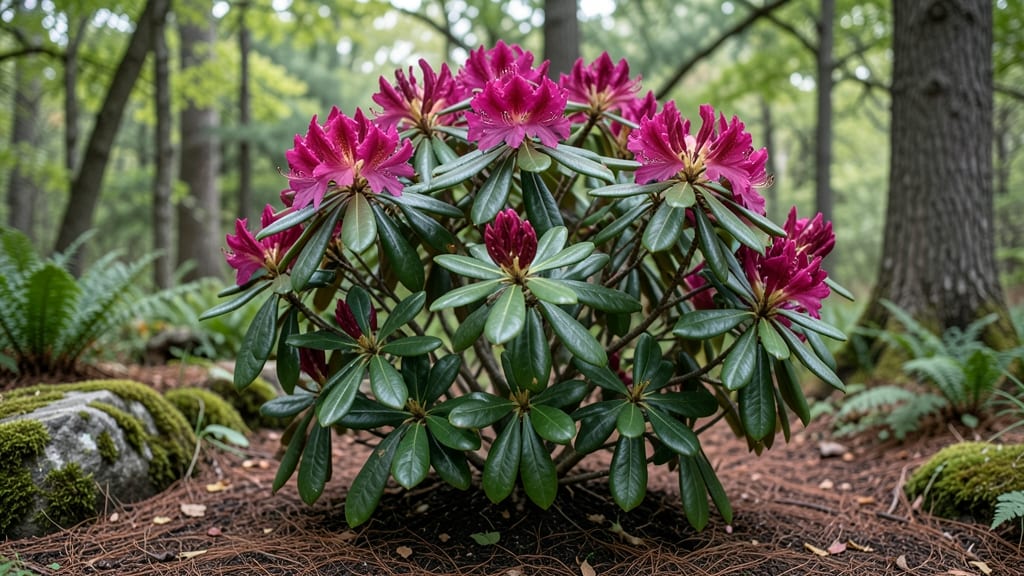
Rhododendrons in North Carolina bloom between early March and late May, but the exact timing depends entirely on where you live in the state.
Picture this: the Blue Ridge Mountains erupt in pink and purple by late March, while coastal gardens wait until May for their show. That’s a 6-week difference right in your own backyard, and it all comes down to elevation and microclimates.
If you’ve ever planned a garden tour or timed your spring photoshoot, you know how critical those dates are. The wrong week could mean missing the peak or catching blooms that are already fading.
Below, I’ll break down the bloom windows by region—mountains, piedmont, and coast—and share the one trick to coax earlier color from your own shrubs.
You’ll also discover how temperature swings and rainfall can shift bloom times by weeks, plus the best rhododendron varieties to plant if you want reliable early or late-season color. Let’s get started.
NC rhododendron bloom timeline by elevation zone (mountains vs Piedmont vs coastal)
North Carolina’s rhododendrons create breathtaking spring displays, but their bloom timing shifts dramatically based on elevation. In the mountains, cooler temperatures trigger earlier blooms, while coastal areas experience delayed flowering due to milder winters. Understanding these patterns helps you time garden visits or pruning for optimal results.
The Piedmont region falls between these extremes, offering a middle-ground bloom window. Whether you're in Asheville, Raleigh, or Wilmington, knowing your elevation zone helps predict when your rhododendrons will burst into color. Let's break down the exact bloom windows for each zone.
In the mountains, rhododendrons begin blooming as early as late March in high-elevation areas like Cherokee or Boone. The cooler climate helps buds open sooner, creating a stunning spring spectacle.
These blooms typically peak in mid-April and last until early May, making it the best time to visit mountain gardens like DuPont State Forest.
The Piedmont, including cities like Chapel Hill and Durham, sees rhododendrons start blooming in early April. This zone offers a slightly later but longer bloom window, often extending into early June.
The moderate climate creates ideal conditions for prolonged flowering, perfect for gardeners who want extended color.
Coastal areas like Wilmington or New Bern experience the latest blooms, beginning in mid-April and peaking in late May. The warmer winters mean buds require more chilling hours to open, delaying the bloom period. However, coastal rhododendrons often produce larger, more vibrant flowers due to the milder climate.
If you're in Asheville or the Blue Ridge Mountains, you'll see the earliest blooms, sometimes as early as late March. These high-elevation rhododendrons thrive in the cooler temperatures, often producing 1-2 weeks earlier than their Piedmont counterparts. Plan your spring garden tours accordingly to catch the peak displays.
For gardeners in Raleigh or Greensboro, the Piedmont's bloom timing offers a compromise. You can expect vibrant displays from April through May, with some late-blooming varieties extending into June. This makes it an ideal zone for gardeners who want reliable spring color without extreme timing challenges.
Coastal gardeners should mark their calendars for late May to see their rhododendrons at their best. The delayed blooming often results in larger flowers, but the shorter bloom window means planning visits around this peak is essential. Consider planting early-blooming varieties to extend your coastal garden's color season.
Remember that microclimates can shift bloom times by 1-2 weeks even within the same elevation zone. Factors like proximity to water, soil type, and sun exposure all play roles. For the most accurate predictions, observe your local rhododendrons over several years to refine your timing.
To encourage healthy blooms, prune rhododendrons immediately after flowering (June-July) rather than in fall or winter. This timing allows the plant to focus energy on next year's buds. Mulch around the base with organic matter to maintain consistent moisture and soil acidity, both critical for vibrant blooms.
🌸5 Key factors that shift rhododendron bloom times in North Carolina
If you’ve ever planned a garden tour or timed your spring walks based on rhododendron blooms, you’ve likely noticed something puzzling: why do they bloom weeks earlier in the mountains than in the Piedmont or coastal areas? The answer lies in North Carolina’s diverse microclimates, where even small shifts in elevation or weather patterns can delay or advance blooms by 3-4 weeks.
Understanding these factors helps you predict—and even influence—when your rhododendrons will burst into color.
Rhododendrons are sensitive to temperature cues, and their buds begin forming in the previous summer. A warm August can trick them into blooming early, while a cool September might push blooms later.
Add in rainfall patterns, soil moisture, and sunlight exposure, and you’ve got a recipe for dramatic timing variations across the state. Let’s break down the five biggest influences on your rhododendron’s bloom schedule.
Mountains (3,000+ ft): March 15–April 1 | Piedmont (500–1,500 ft): April 1–April 15 | Coastal (<500 ft): April 15–May 1
Needs 500–1,000 hours below 45°F to set buds. Coastal areas often miss this threshold, delaying blooms.
Drought in March–April stresses plants, pushing blooms 2 weeks later. Consistent moisture speeds up flowering.
Cities like Raleigh can be 5–10°F warmer than rural areas, causing 1-week delays in blooming.
Well-mulched plants bloom 10–14 days earlier than those with dry soil. Test moisture 2 inches deep—if dry, water deeply.
One of the most critical factors is elevation-driven temperature shifts. In the Blue Ridge Mountains, where nights remain cool well into April, rhododendrons often bloom by mid-March.
But in the coastal plain, warmer nights and fewer chill hours can push blooms into late April or May. For example, a rhododendron in Asheville (Zone 7a) might start blooming in early April, while one in Wilmington (Zone 8b) could wait until mid-April.
Don’t overlook the role of chill hours, either. Rhododendrons need 500–1,000 hours below 45°F to trigger bud formation. Coastal areas often fall short, which is why you’ll see later and sparser blooms near the ocean.
To encourage earlier blooms in warmer zones, consider planting low-chill varieties like ‘Catawbiense Grandiflorum’, which tolerates fewer chill hours.
If you’ve ever wondered why your backyard rhododendron blooms weeks after your neighbor’s, the answer might be as simple as a 5°F temperature difference or an extra week of dry soil.
Pay attention to these five factors, and you’ll gain the power to predict—and even adjust—your rhododendron’s bloom time for a more reliable spring display. 🌷
Pro tip: Keep a garden journal to track local bloom dates. Over time, you’ll spot patterns in how your microclimate affects your plants—and maybe even uncover the secret to earlier or longer-lasting blooms in your specific corner of North Carolina. ✂️