
Blooming
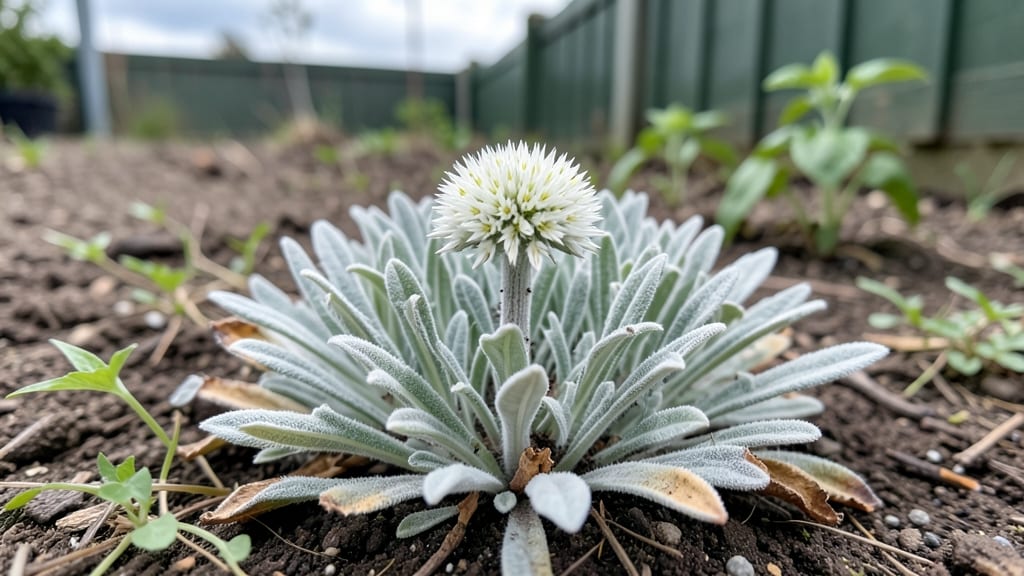
Edelweiss blooms in late summer to early fall, typically between July and September, thriving in high-altitude alpine meadows where cool temperatures and rocky terrain create ideal conditions. These delicate white flowers are short-lived but offer stunning seasonal displays in mountainous regions.
The edelweiss's fleeting bloom is nature's way of timing perfection—it emerges when alpine meadows burst into color, but only after the harsh winter thaw and before the first hard frost. 🌿 These resilient flowers rely on cool daytime temperatures between 50°F and 65°F and crisp nights to trigger their delicate blooms, which is why they're often spotted in July through early September at elevations where most plants struggle.
What's fascinating is how their short lifespan—just a few weeks—ensures they don't compete with other alpine species for resources, making their appearance all the more magical.
Climate change is now altering this delicate balance, with some high-altitude populations flowering earlier or producing fewer blooms due to warming trends. 💫 If you're planning a trip to see them, timing is everything—visit during their peak weeks, and consider supporting conservation efforts that protect these fragile ecosystems.
The Alps, Rockies, and Himalayas remain the best bets for wild sightings, but their windows are shrinking.
💡 In This Article
- Edelweiss Flowering Conditions and Climate Needs
- Best Regions and Altitudes for Viewing Wild Edelweiss
Edelweiss flowering conditions and climate needs
Here's what's actually happening with edelweiss blooms: these alpine survivors rely on a narrow temperature window that most plants can't tolerate. Their ideal daytime range is 50-65°F, while nights must drop below 40°F to trigger flowering.
This cold sensitivity explains why they thrive at 6,000-12,000 feet—where summer days stay cool enough to prevent heat stress while nights remain crisp. The flowers' white petals also reflect sunlight, creating a microclimate that maintains these delicate temperature requirements. 🌟
The rocky, nutrient-poor soils of alpine meadows play a crucial role too. Edelweiss roots grow in shallow, well-draining cracks where water doesn't pool, preventing rot while still accessing moisture from occasional summer rains.
Their silvery-green leaves contain tiny hairs that reduce water loss—critical adaptations for surviving in environments where evaporation rates can exceed 0.5 inches per day. What's fascinating is how these flowers actually inhibit growth during warm periods, entering a dormant state until temperatures drop into their optimal range.
Climate change is now disrupting this precise timing. Research shows some alpine populations are flowering 10-14 days earlier than historical records due to warming trends, while others produce fewer blooms entirely.
The 3°F temperature increase observed in many alpine zones since 1980 has pushed some edelweiss populations to higher elevations where conditions are more stable. This shift threatens their visibility—what once thrived at 9,000 feet may now only appear above 11,000 feet, making sightings more challenging for hikers. 💫
What most people don't realize is how edelweiss timing varies by latitude. In the Northern Hemisphere, blooms peak in July-August, while Southern Hemisphere populations (like those in Patagonia) flower in January-February.
This difference occurs because their flowering triggers rely on day length rather than absolute temperature—when daylight hours reach about 14.5 hours, the plants receive the photoperiod signal to bloom.
This explains why you might see edelweiss in June in the Rockies but not until August in the Alps, despite similar elevations.
The soil composition matters just as much as altitude. Edelweiss prefer calcareous (limestone-rich) substrates that create slightly alkaline conditions (pH 7.5-8.2). These soils contain higher concentrations of calcium and magnesium, which the plants use to strengthen their woolly, star-shaped blooms.
The flowers' unique structure—with overlapping petals that protect the reproductive organs—also helps them withstand the 30-50 mph winds common at their elevations. This combination of chemical and physical adaptations makes them one of nature's most resilient yet delicate blooms. ✨
For those planning visits, understanding these conditions helps predict sightings. The best viewing windows occur during clear, sunny days when temperatures hover around 60°F—the flowers open fully in direct sunlight but close at night to conserve moisture.
Early morning hikes often reveal dew-covered blooms at their most vibrant, though they'll close by midday in some locations. The key is visiting during the second half of July through early September in Northern Hemisphere regions, when both temperature and daylight conditions align perfectly. 🔥