
Blooming
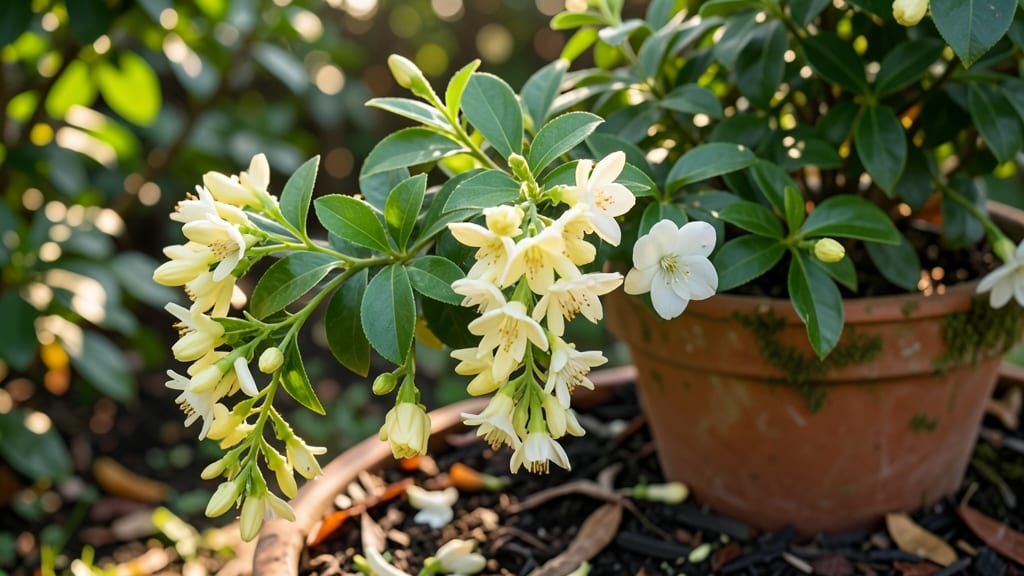
Jasmine blooms in Florida run from late spring through summer, peaking between May and August, though certain varieties like Arabian jasmine can extend flowering into fall. The state's warm temperatures and high humidity create perfect conditions for these fragrant flowers to thrive.
Florida's subtropical climate is ideal for jasmine blooming, with the right balance of 75–90°F temperatures and consistent humidity triggering flower production. 🌸 Unlike cooler regions, Florida's extended growing season often allows jasmine to bloom continuously from spring through fall, with some varieties producing multiple flushes of flowers.
The key is providing well-draining soil and partial shade during the hottest afternoons to maintain healthy plants throughout the blooming period.
What sets Florida apart is its ability to support both native and exotic jasmine varieties, each with slightly different bloom windows. For example, Confederate jasmine typically starts blooming in early May, while Pink jasmine may not reach peak flowering until July.
Arabian jasmine stands out by often extending its blooming season into October, making it a favorite for gardeners who want year-round fragrance.
💡 In This Article
- Florida Climate Factors That Trigger Jasmine Blooming
- Best Jasmine Varieties for Florida Gardens and Their Bloom Timelines
Florida climate factors that trigger jasmine blooming
Jasmine's blooming cycle in Florida is primarily driven by the state's subtropical climate, where consistent temperatures between 75–90°F create the perfect environment for flower development. The plants respond to these warm conditions by entering a phase called florigen production, where hormonal signals trigger bud formation.
Unlike cooler climates where jasmine may only bloom briefly in summer, Florida's extended warm season allows for multiple blooming cycles throughout the year.
Humidity plays a crucial role too—jasmine thrives in Florida's 60–80% humidity range, which prevents buds from drying out before opening.
The combination of warmth and moisture creates ideal conditions for the delicate flowers to fully develop. 🌿 What's fascinating is how jasmine's natural circadian rhythm comes into play: most varieties release their strongest fragrance between 8 PM and midnight, when temperatures drop slightly and humidity peaks, creating the perfect sensory experience for nighttime gardeners.
Daylight duration also influences blooming patterns. Jasmine plants typically need 12–14 hours of daylight to initiate flowering, which Florida provides abundantly during spring and summer months. The longer daylight periods stimulate photosynthesis, giving plants the energy needed to produce flowers.
In contrast, shorter winter days often result in dormancy or reduced blooming, even in Florida's warmer regions.
Florida's microclimates create additional variations in blooming times. Coastal areas with mild winters and consistent warmth may see jasmine blooming as early as March, while inland regions with slightly cooler nights might experience delayed blooming until May.
The Gulf Coast's higher humidity can also extend the blooming season into early fall for some varieties.
One interesting adaptation is how jasmine responds to Florida's occasional heatwaves. When temperatures exceed 95°F for prolonged periods, plants may temporarily halt blooming to conserve energy. This is why providing afternoon shade becomes crucial—it helps maintain optimal leaf temperatures while keeping roots cool through mulching.
Proper watering techniques (deep but infrequent watering) further support healthy blooming by preventing root stress.
What sets Florida apart from other regions is its ability to support year-round jasmine growth in suitable microclimates. While most varieties follow the spring-summer blooming pattern, careful gardeners can create conditions that encourage multiple bloom cycles by providing consistent care and protection from extreme weather events.