
Blooming
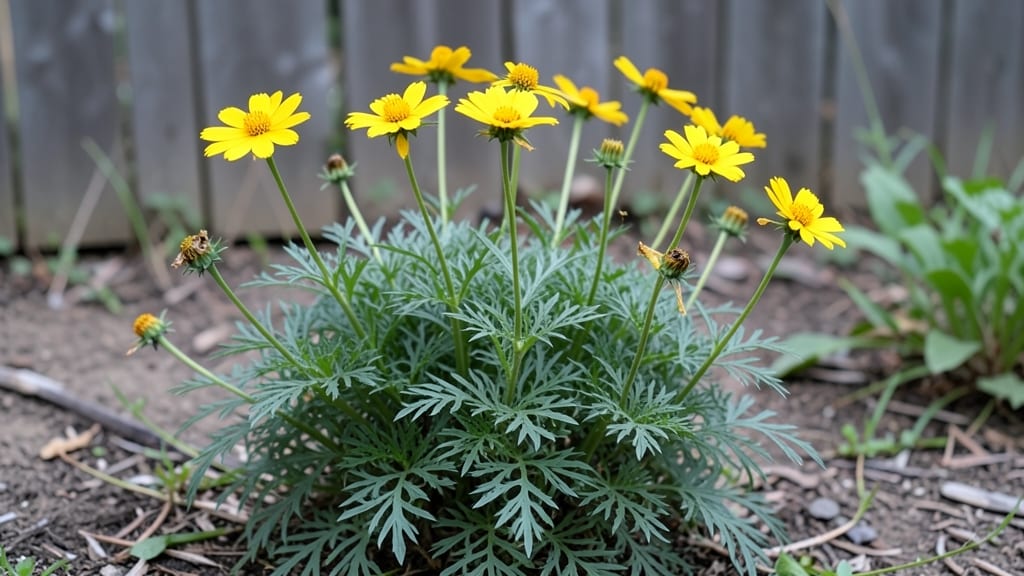
Tickseed coreopsis blooms in late spring to early summer, typically from May through July, with peak flowering occurring in June for most varieties. Cold-hardy types may start earlier in warmer climates, while late-season cultivars extend blooms into August.
Understanding these bloom windows helps gardeners plan their landscapes for continuous color. 🌸 For instance, planting a mix of early bloomers like 'Early Sunrise' alongside late varieties such as 'Zagreb' can create a seamless transition from spring to fall.
The plant's natural response to daylight length—called photoperiodism—means warmer regions often see blooms as early as April, while cooler zones might delay until late June.
What’s fascinating is how coreopsis adapts: drought-tolerant varieties may delay blooming until soil moisture stabilizes, while rich, well-drained soil can trigger earlier, more abundant flowers. I’ve found that cutting back spent blooms encourages a second flush in fall, turning one season of color into two!
💡 In This Article
- Coreopsis Bloom Timing Factors
- Maximizing Tickseed Coreopsis Flowering Seasons
Coreopsis bloom timing factors
Here's what actually happens beneath the surface: coreopsis blooms are triggered by a combination of temperature thresholds and daylight exposure. These plants use a process called vernalization—where exposure to cold temperatures (typically 40-50°F for 4-6 weeks) breaks dormancy and initiates flowering.
Once warmed by spring, the plant responds to increasing daylight hours, with most varieties needing 14-16 hours of daylight to trigger peak bloom. This explains why northern climates often see blooms delayed until late June, while southern gardens may flower as early as April.
The variety you choose makes a huge difference. Take 'Moonbeam' coreopsis, for example—this compact variety typically blooms 2-3 weeks earlier than 'Sunburst' due to its shorter stature and faster growth rate. 'Sunburst', on the other hand, often extends its display into August because its robust structure supports continuous blooming.
What most people don't realize is that temperature fluctuations also play a role: sudden heat spikes above 90°F can cause buds to drop, while steady 70-80°F days promote longer vase life. 🌞
Daylight exposure isn't just about hours—it's about intensity. Coreopsis thrives in full sun (6-8 hours daily), but too much midday heat can stress the plant.
In USDA Zones 3-5, where winters are harsh, cold-hardy varieties like 'Grandiflora' often bloom 3-4 weeks later than southern counterparts because they need more time to recover from frost.
The key factor here is chilling requirements: plants in warmer zones may need artificial chilling (like refrigeration for 4-6 weeks) to trigger reliable blooming if planted out of season.
Soil temperature matters too—root zones need to reach 55-60°F before active growth begins. I've found that planting in well-draining soil with compost can advance blooming by 10-14 days because roots warm up faster.
The contrast between 'Early Sunrise' (which blooms in May-June) and 'Zagreb' (which extends to September) shows how genetic differences interact with environmental cues. For gardeners wanting earlier blooms, starting seeds indoors 8-10 weeks before last frost
Regional microclimates create even more variation. Coastal areas with milder winters often see blooms 2-3 weeks earlier than inland locations at the same latitude, thanks to moderating ocean breezes. Meanwhile, high-altitude gardens (like those in Zone 6 mountains) may delay blooming until July because cooler nights slow metabolic processes. The takeaway? Adjust your expectations based on your specific climate zone and microclimate—what works in Zone 7 might fail in Zone 4 without proper planning. For those wanting to extend the season, consider successive planting: stagger sowing seeds every 3 weeks from April to June. This creates a continuous bloom cycle from May through October. The science here is simple—by providing new plants at different growth stages, you ensure some are always ready to flower while others are still developing. This technique works especially well for annual varieties like 'Red Lion' that thrive in warm climates. 💫