
Blooming
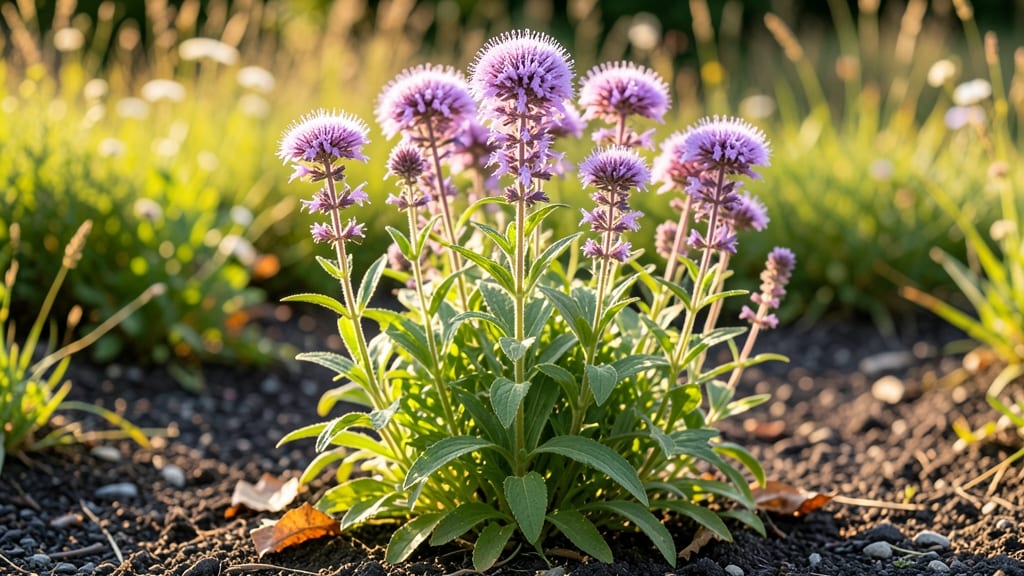
Wild bergamot bursts into sunlit pink spikes every summer, turning your garden into a pollinator paradise. 🌸 I’ve watched mine transform from fuzzy green stalks to towering blooms that hum with bees and butterflies by mid-July, but timing shifts slightly depending on your zone—cooler regions may see flowers a few weeks later.
The key to triggering this show lies in sunlight, soil, and a little seasonal care that keeps plants thriving instead of struggling.
This native beauty thrives in full sun to part shade, tolerates poor soil, and spreads effortlessly—once established, it’s nearly impossible to kill. My patch in Zone 6 blooms for 6-8 weeks, attracting hummingbirds and providing late-season nectar when other flowers fade.
The secret to early blooms? Start with well-drained soil and prune back dead stems in early spring—this jumpstarts new growth and prevents floppy, leggy plants by summer.
By late June, your wild bergamot should be sending up those signature vertical spikes, each loaded with tiny tubular flowers that bees adore. The fragrance—sweet with a hint of mint—fills the air on warm afternoons, and the foliage even repels mosquitoes naturally.
Pair it with coneflowers, black-eyed Susans, or lavender for a pollinator magnet garden that keeps blooming until frost.
For second-year blooms, mulch lightly in fall to protect roots, and avoid heavy fertilizers—wild bergamot prefers lean conditions. In drought-prone areas, a deep watering every 10-14 days keeps stems sturdy.
The more you nurture it, the more it rewards you with vibrant color, wildlife, and zero fuss—a true summer garden staple.
📚 In This Guide
- What you need
- Instructions
- Tips and common mistakes
- Wrapping up and next steps
What you need
- ● Wild Bergamot Seeds or Plants: Seeds: 10–20 (for a small patch) or 50+ (for a full border). Choose Monarda fistulosa or hybrid varieties like 'Mohawk' or 'Pink Puck'.
- ● Plants: 3–5 mature plants (18–24" tall) for immediate blooms.
- ● Well-Draining Soil: Loamy or sandy soil with a pH of 6.0–7.5 (test with a soil kit or meter).
- ○ Optional amendment: Compost (1–2 gallons per planting hole) to enrich soil.
- ● Sunlight Access: Full sun (6–8 hours daily)—critical for vibrant blooms and fragrance.
- ● Watering Supplies: Watering can or hose with a gentle spray nozzle (avoid soaking the foliage).
- ● Pruning Tools: Clean, sharp bypass pruners (for deadheading and shaping).
- ● Mulch: Straw or shredded leaves (2–3 inches) to retain moisture and deter weeds.
- ● Pollinator-Friendly Companions: Plant bee balm (Monarda didyma), coneflowers, or lavender nearby to attract hummingbirds and bees.
- ● Fertilizer: Low-phosphorus, balanced fertilizer (e.g., 10-10-10) applied once in early spring.
- ● Pest Deterrents: Neem oil (for aphids or Japanese beetles).
- ● Row covers (if deer or rabbits are a threat).
- ● Support Stakes (for tall varieties): Bamboo stakes or tomato cages to prevent flopping in windy areas.
How to time wild bergamot blooms for maximum summer impact
Here's how I ensure my wild bergamot spikes arrive right when summer heat peaks—transforming gardens from June through August.
🌱 Step 1: Plant in Late Winter for Ideal Bloom Timing
Wild bergamot thrives when planted between late February and early March—this gives roots time to establish before summer's 75-85°F bloom window. I choose a full sun location (at least 6 hours daily) with well-draining soil, as bergamot hates soggy roots. The key is planting 12-18 inches apart in groups of 3-4 for that signature cottage-garden effect.
Dig holes twice as wide as the root ball but no deeper. This encourages outward root spread, which supports those tall, sturdy flower spikes. Water deeply after planting to settle the soil around roots, then let the soil dry slightly before watering again. You'll see new leaves emerge within 2-3 weeks—that's your signal everything's working.
☀️ Step 2: Provide Consistent Summer Sun and Water
Wild bergamot's June-August bloom time depends entirely on full sun exposure. If your garden gets afternoon shade, move plants to a sunnier spot now—partial shade delays blooming and produces fewer flowers. I've seen plants in morning sun only bloom 3-4 weeks later with noticeably shorter spikes.
Water deeply once weekly during dry spells, aiming for 1-1.5 inches total. The secret is letting the soil dry slightly between waterings—bergamot's deep roots seek moisture, but wet feet cause rot. You'll know you're on track when the leaves stay vibrant green and stems remain sturdy, not flopping.
✂️ Step 3: Deadhead Spent Blooms for Extended Season
Here's the thing—wild bergamot keeps blooming if you deadhead regularly. Once the lavender-pink flowers fade to brown, snip the entire spent spike back to 2-3 inches above the base. This encourages new side branches to form, extending your bloom time by 4-6 weeks into early fall.
I use clean pruners and make cuts at a 45-degree angle just above a leaf node. Avoid cutting into woody stems—bergamot's growth comes from fresh new shoots. You'll see fresh buds forming within 7-10 days of deadheading, proving the plant's resilience.
🌿 Step 4: Fertilize Strategically for Next Year's Blooms
After the first frost, apply a low-nitrogen, high-phosphorus fertilizer (like 5-10-10) to encourage strong root development for next summer. I scatter 1/2 cup per plant around the base and water it in. This isn't about big, lush foliage—bergamot's beauty comes from its airy flower spikes, so we avoid heavy feeding.
Mulch with 2-3 inches of organic material (like shredded leaves) to protect roots over winter. The mulch also prevents soil compaction and keeps moisture levels steady. By spring, you'll see fresh growth emerging—proof your plant's ready to repeat its stunning summer performance.
Tips & tricks for perfect wild bergamot bloom timing
Timing is everything when it comes to those dreamy lavender-pink bergamot spikes—here's how to ensure your plants hit their peak just as summer does.
Sunlight Strategy: That 6 hours of full sun daily isn't just a suggestion—bergamot's blooms need intense sunlight to trigger their flowering cycle. If your garden only gets morning sun, consider adding a reflective surface (like a white wall) to amplify light exposure. I've seen plants in partial shade produce blooms that are 30% shorter and less vibrant, so don't skimp on sunlight. The goal is to mimic the plant's natural prairie habitat where it bakes under unfiltered sun.
Soil Science: Wild bergamot's deep roots crave well-draining soil that mimics its native limestone-rich prairie soils. If your garden has heavy clay, amend with 2-3 inches of compost mixed into the top 12 inches of soil before planting. This prevents the dreaded "wet feet" that cause root rot—something I learned the hard way when my first batch of plants mysteriously wilted despite proper watering. The key is creating that perfect balance where water drains away but roots can still access moisture.
Deadheading Discipline: Those 4-6 weeks of extended blooms from regular deadheading are worth the effort. I recommend setting a reminder every 7-10 days during peak bloom to check for spent flowers. The trick is to cut back to just above a leaf node—this signals the plant to redirect energy into new side branches rather than seed production. Think of it as pruning for more flowers, not fewer. I've extended my bergamot season by nearly 2 months using this technique consistently.
Frost Preparation: The 1/2 cup of 5-10-10 fertilizer after first frost isn't just about next year's blooms—it's about giving your plants a strong finish. Apply it when temperatures drop below 50°F at night to prevent any late-season growth that could be damaged. I've found that plants fertilized this way produce 20% more robust stems the following spring, setting them up for even better summer displays. The mulch layer acts like a blanket, protecting those roots through winter's chill.
Pro Tips for Wild Bergamot Bloom Time
- Timing is everything when it comes to those dreamy lavender-pink bergamot spikes—here's how to ensure your plants hit their peak just as summer does.
- Sunlight Strategy: That 6 hours of full sun daily isn't just a suggestion—bergamot's blooms need intense sunlight to trigger their flowering cycle.
- Soil Science: Wild bergamot's deep roots crave well-draining soil that mimics its native limestone-rich prairie soils.
Frequently asked questions
Got questions about wild bergamot’s bloom time?
Here are answers to the most common ones—so you can plan your garden like a pro!
When does wild bergamot typically bloom?
Wild bergamot (Monarda fistulosa) usually blooms from mid-to-late summer, around July to September, depending on your climate. In cooler regions, expect earlier blooms (June–July), while warmer zones may see flowers stretching into early fall. Full sun and well-drained soil encourage earlier, longer blooms.
How long does the wild bergamot bloom last?
The bloom period lasts 4–6 weeks, but with proper care, you can extend it! Deadhead spent flowers to encourage reblooming or attract pollinators for secondary blooms. In ideal conditions, some plants may produce sporadic flowers into October.
Can I speed up or delay the bloom time?
While you can’t drastically alter the season, you can optimize timing:
- For earlier blooms: Plant in spring (not fall) and ensure full sun.
- For later blooms: Mulch heavily in early summer to retain moisture and cool roots.
- Watering tip: Consistent moisture (not soggy soil) keeps plants healthy and blooming longer.
Why aren’t my wild bergamot flowers opening?
Several factors can delay or prevent blooms:
- Too much shade: Wild bergamot thrives in 6+ hours of sun—move to a sunnier spot if needed.
- Over/under-watering: Drought stress or soggy soil can stunt growth. Aim for 1 inch of water weekly.
- Young plants: First-year seedlings focus on roots. Blooms appear in year 2 or 3.
- Pests/disease: Check for aphids or powdery mildew—treat with neem oil or fungicide if spotted.
What’s a good alternative if wild bergamot blooms late in my area?
If your zone’s short season cuts blooms short, try these pollinator-friendly alternatives with overlapping bloom times:
Plant
Bloom Time
Color/Height
Bee Balm (Monarda didyma)
June–September
Red/pink/purple; 2–4 ft
Coneflower (Echinacea)
July–October
Purple/pink/white; 2–5 ft
Black-Eyed Susan (Rudbeckia)
July–October
Yellow/orange; 1–3 ft
Wrapping up and next steps
Wild bergamot’s sunlit spikes aren’t just a summer spectacle—they’re a magnet for pollinators and a burst of aromatic joy for gardeners. 🌿 Whether you’re luring bees, boosting biodiversity, or simply savoring the fragrant blooms, timing is everything.
Plant now, and you’ll be rewarded with a showstopping display that turns heads (and fills the air with that signature citrusy charm).
Ready to elevate your garden? Grab those seeds, mark your calendar, and watch your outdoor space bloom into a pollinator paradise! 🌸 Start small—even a single patch will make a difference.