
Blooming
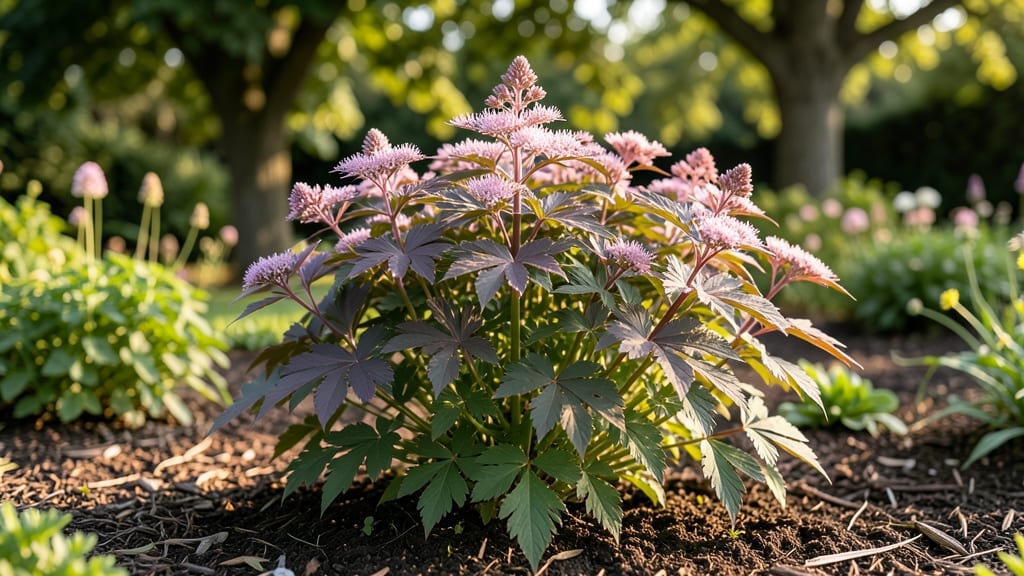
Will astilbe bloom first year? Astilbe typically does not bloom in its first year since it focuses on root and foliage development, though dwarf varieties like 'Bridal Veil' may produce small flowers if planted early in spring. Most blooms appear in year two or three with proper care and ideal conditions.
Most astilbe plants prioritize building a strong root system in their first year, which means they'll focus on lush foliage rather than flowers. 🌱 The exception is compact varieties like 'Bridal Veil', which sometimes surprise gardeners with delicate blooms if given early spring planting and consistent moisture.
Even then, expect only sparse flowering compared to their second-year performance. Proper soil preparation and shade placement can also nudge the plant toward earlier blooming, though it's still rare in the first growing season.
What makes this timing predictable is astilbe's natural growth cycle—it stores energy underground during winter to fuel next year's blooms. This biological strategy explains why even well-cared-for plants often wait until year two or three for their signature plumes.
The good news? Once established, astilbe becomes a reliable bloomer with minimal effort from you.
💡 In This Article
- Why Astilbe Prioritizes Foliage Over Flowers in Early Growth
- Tips to Encourage First-Year Astilbe Blooms
Why astilbe prioritizes foliage over flowers in early growth
Astilbe plants follow a biological strategy similar to many perennials—prioritizing root and foliage development before committing energy to flowers. This first-year focus is hardwired into their growth cycle, where 60-70% of energy goes toward establishing a robust root system capable of supporting future blooms.
The plant's fibrous roots spread horizontally, creating a network that can absorb moisture and nutrients efficiently, especially in their preferred moist, well-draining soils. 🌱 This underground investment ensures survival during winter dormancy and provides the foundation for next year's growth.
The size of the variety plays a critical role in bloom timing. Larger astilbe cultivars like 'Deutschland' or 'Fanal' typically require 2-3 years to reach full bloom potential because they need to build substantial biomass first.
Their mature height (up to 3 feet) demands more structural support, which takes time to develop.
In contrast, dwarf varieties like 'Bridal Veil' (reaching only 12-18 inches) have a lower energy threshold for flowering, which is why they might produce 1-2 small flower plumes in their first year if given ideal conditions. This size-based difference explains why gardeners often see blooms sooner with compact varieties.
The planting season significantly impacts first-year development. When planted in early spring (March-April), astilbe has 4-5 months of growing season to establish roots before winter dormancy, increasing the chance of minimal flowering. Planting in late spring (May)2-3 months, making blooms even less likely.
The plant's photoperiod sensitivity also plays a role—longer daylight hours in summer trigger foliage growth rather than flower buds, which explains why even well-cared-for plants often wait until their second year for their signature feathery plumes.
What most gardeners don't realize is that astilbe's foliage serves as its energy storage system. The deep green, fern-like leaves contain chlorophyll that continues photosynthesis even after the plant enters dormancy, feeding the roots.
This dual-purpose growth strategy is why pruning back spent foliage in fall can actually reduce next year's bloom potential—the plant relies on this stored energy to fuel its first major flowering cycle.
The trade-off between current foliage and future flowers is built into astilbe's DNA, making first-year blooms a rare exception rather than the norm.
Consider the environmental conditions that influence this timing. Astilbe thrives in partial to full shade, where cooler temperatures slow metabolic processes and encourage root growth over flowering. In hotter climates or full-sun locations, the plant may divert even more energy toward protecting itself from stress rather than producing flowers.
This explains why northern gardeners sometimes see earlier blooms than those in southern regions—cooler temperatures create a more favorable balance for first-year development. 🌿 Understanding these environmental cues helps explain why even well-cared-for astilbe plants often wait until their second or third year to reward gardeners with their spectacular plumes.