
Blooming
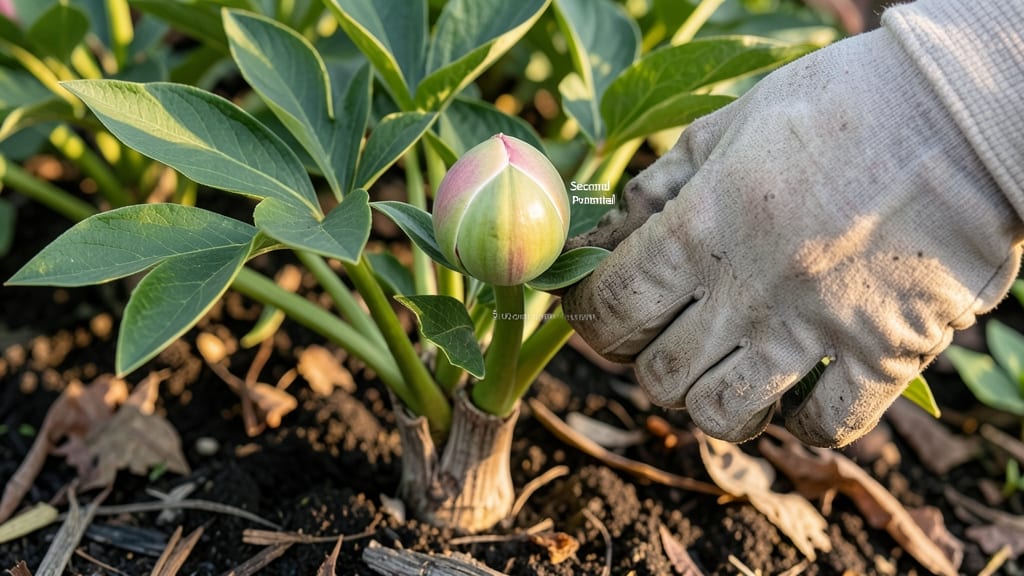
Will peonies bloom twice? Most peonies bloom just once per year, but some herbaceous varieties can produce a second, smaller bloom in late summer or fall with proper pruning and care. Tree peonies, however, often rebloom reliably when given the right growing conditions.
Peonies are famously stunning but often misunderstood when it comes to their blooming habits. 🌸 The key difference lies in their type—herbaceous peonies (the most common) typically focus their energy on one spectacular spring bloom, while tree peonies (woody-stemmed) can produce multiple blooms if you deadhead spent flowers regularly and provide consistent moisture.
Even herbaceous varieties might surprise you with a modest second flush if you prune carefully after the first bloom fades, though it'll be smaller and less dramatic. The secret is balancing growth energy between foliage and flowers throughout the season.
For best results, I recommend fertilizing lightly after the first bloom and keeping the soil consistently moist but not soggy.
Too much water or fertilizer can actually reduce reblooming chances by encouraging leafy growth at the expense of flower buds. 💫 And remember—tree peonies are the real multitaskers, often producing multiple blooms per stem if you stay on top of deadheading and pruning.
💡 In This Article
- Why Most Peonies Bloom Only Once (And How Varieties Differ)
- Pruning and Care Tips to Encourage Second Peony Blooms
Why most peonies bloom only once (and how varieties differ)
The single-bloom habit of most peonies comes down to their energy allocation strategy. Herbaceous peonies, which make up about 90% of cultivated varieties, store energy in their thick, tuberous roots over winter.
When spring arrives, they channel nearly all available resources into producing one spectacular bloom—often 3-5 inches wide—because this maximizes reproductive success in their natural environment. This single flush is typically their only chance to set seed before summer heat arrives, which is why they prioritize it so aggressively.
Tree peonies, on the other hand, have a different growth strategy. Their woody stems allow them to store energy in both roots and stems, creating multiple flower buds along each branch.
This structural difference means they can produce 3-10 smaller blooms per stem over several weeks, rather than one large bloom.
The key biological difference is that tree peonies form flower buds on the previous year's growth, while herbaceous peonies form theirs underground during the previous growing season—this is why tree peonies are far more forgiving when it comes to reblooming.
What most gardeners don't realize is that even herbaceous peonies can produce a second bloom if you interrupt their natural cycle. When you deadhead the first flowers properly (cutting stems back to the first set of leaves), you signal the plant that it doesn't need to focus on seed production.
This redirection of energy can sometimes trigger a second, smaller bloom in late summer—though it'll typically be only 2-3 inches wide compared to the first. The trade-off is that this second bloom requires careful management to avoid weakening the plant for next year's main display.
Temperature plays a surprising role in this process. Herbaceous peonies need a period of winter chilling (about 100-200 hours below 40°F) to properly set flower buds for the following year.
If you're in a mild climate, this chilling requirement might not be fully met, which can reduce both the size of the first bloom and the likelihood of a second one.
Tree peonies are more adaptable in this regard, often blooming more reliably in warmer climates because their flower buds form later in the season.
Another fascinating factor is the plant's leaf-to-flower ratio. Peonies need about 5-7 healthy leaves per stem to support a single bloom. When you encourage a second bloom, you're essentially asking the plant to produce flowers on stems that already have fewer leaves—this is why second blooms are always smaller.
The plant's natural response is to prioritize leaf production over flower production to maintain its energy reserves for next season.
Consider these variety-specific traits when planning your garden:
- Herbaceous peonies: Typically bloom once per year (spring), with possible second bloom if deadheaded properly and given consistent moisture
- Tree peonies: Often rebloom multiple times per season (spring through summer), with each stem producing 3-10 smaller flowers
- Intersectional hybrids: A cross between herbaceous and tree types, showing moderate reblooming tendencies (2-3 blooms per season)
The bottom line is that peony blooming habits are deeply tied to their growth structure and energy storage mechanisms. Understanding these biological differences is key to maximizing your plant's potential—whether you're hoping for one spectacular display or multiple smaller blooms throughout the season. 🌿