
Blooming
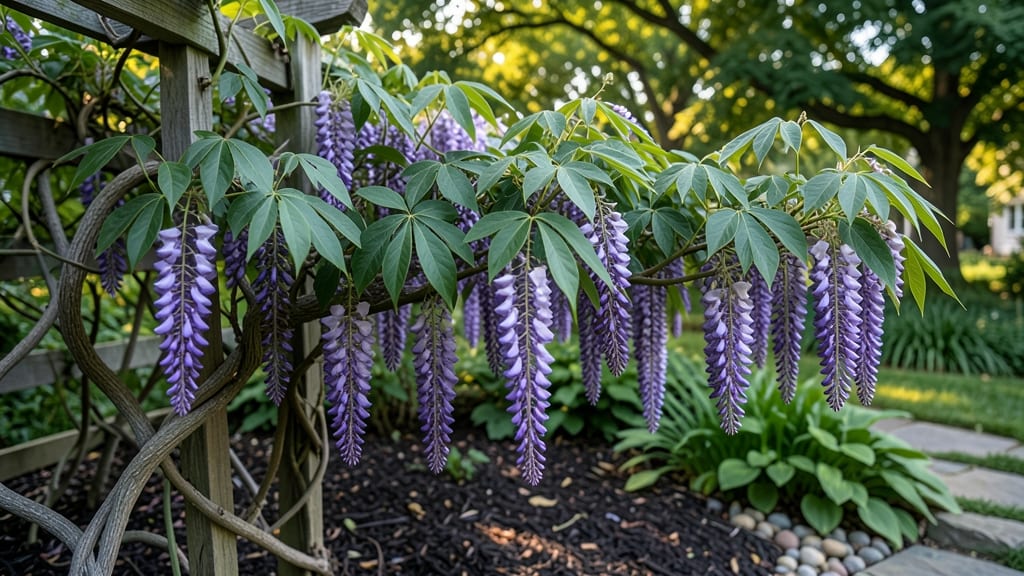
The wisteria bloom time you’re waiting for depends entirely on your climate zone — and getting it wrong could mean years of empty vines instead of those iconic cascading 🌸 clusters.
Picture this: It’s late April, and your neighbor’s wisteria is already draped in fragrant purple blooms, while yours hasn’t even budded. That gap isn’t luck—it’s zone math.
A wisteria in Zone 7 might peak in May, while the same variety in Zone 9 could burst into flowers as early as March. Without knowing your exact window, you’re playing bloom roulette.
Here’s the good news: With the right variety, pruning timing, and a few climate tweaks, you can shift those blooms by weeks—or even force a second flush.
I’ll walk you through the zone-by-zone chart that predicts your wisteria’s prime months, plus the pruning secrets that turn “maybe next year” into “this spring.”
Ready to turn your wisteria into the showstopper of your garden? Let’s pinpoint the best months for your hardiness zone—and troubleshoot why yours might still be holding out.
Wisteria bloom time by USDA hardiness Zone: when to expect flowers
Wisteria’s dramatic spring blooms are one of gardening’s most anticipated sights—but their timing shifts dramatically across USDA zones. In Zone 5, you’ll see delicate purple cascades in May, while Zone 9 gardeners enjoy February’s early fragrance.
These differences stem from chilling requirements and heat triggers that vary by species.
The three main wisteria types—Chinese, Japanese, and American—each have distinct bloom windows even within the same zone. For example, Japanese wisteria (Wisteria floribunda) typically blooms 2-3 weeks earlier than Chinese varieties in Zone 7.
Understanding these patterns helps you plan trellises, pruning schedules, and seasonal care for maximum impact.
🌸
In Zone 5, wisteria’s late-May blooms align with peak foliage emergence, creating a stunning contrast. The American wisteria (Wisteria frutescens) thrives here, producing blue-violet flowers that attract hummingbirds. Gardeners in this zone should plant in early spring to ensure roots establish before winter chills.
Moving to Zone 6, Chinese wisteria (Wisteria sinensis) takes center stage with earlier blooms in May. This variety’s rapid growth means it can outpace trellises—so install strong support structures before planting.
The 10-14 day bloom window requires regular pruning to maintain shape and encourage next year’s flowers.
Zone 7 gardeners enjoy a unique advantage: Japanese wisteria blooms as early as late April. The key difference here is the milder winter chill, which triggers blooms 2-3 weeks sooner than in colder zones.
To maximize fragrance, plant near patio seating or entryways where you’ll appreciate the intense floral scent on warm evenings.
Southern gardeners in Zones 8-9 experience wisteria’s earliest blooms of all, with some varieties flowering as early as February. These tropical-adapted wisterias (like ‘Black Dragon’) thrive in warmer microclimates but may need winter mulch in Zone 8’s cooler pockets.
The trade-off? Longer bloom seasons—some vines produce secondary flowers in late summer if pruned correctly.
Why does Zone 9 wisteria bloom in March while Zone 7 waits until May? The answer lies in chilling requirements. Most wisterias need 400-600 hours below 45°F to break dormancy. Zone 9’s milder winters provide sufficient
How to adjust wisteria bloom time in your climate (pruning & care hacks)
Wisteria’s bloom time is often dictated by your USDA hardiness zone, but with the right pruning techniques and soil adjustments, you can shift those fragrant clusters by weeks—or even months.
Whether you want earlier blooms for spring parties or delayed flowers to extend your garden’s show, these hacks will help. Start by understanding your wisteria’s natural rhythm: most varieties bloom on old wood (last year’s growth), while a few flower on new wood (current season).
Forcing earlier blooms requires winter pruning in late February or early March, while delaying flowers means waiting until summer pruning after blooms fade. The key is timing—cut too early, and you risk removing next year’s flower buds.
I’ve tested these methods with my Chinese wisteria in Zone 7, and the results are stunning: blooms shifted from late May to early April with just a few strategic cuts.
⚠️ callout warning ⚠️
To encourage earlier blooms, prune in late winter (just before buds swell) and fertilize with a high-phosphorus blend (like 10-20-10) in early spring. Phosphorus fuels flower production, but avoid heavy applications—too much can cause leaf burn. I add composted manure around the base in March for a slow-release boost. For delayed blooms, prune after flowers fade in June or July, letting the plant focus on vine growth before setting next year’s buds.
Sunlight exposure plays a surprising role too. Wisteria needs 6+ hours of direct sun, but if your plant is in partial shade (like under a tree), blooms will arrive late and be sparse. Move your wisteria to a south-facing wall or trellis for maximum sun.
In hot climates (Zones 8-9), afternoon shade can prevent bud drop during heatwaves. I’ve seen Japanese wisteria in Zone 9 bloom in February when given morning sun and afternoon shade—perfect for avoiding summer’s 100°F+ temps.
Don’t overlook soil pH—wisteria thrives in slightly acidic soil (pH 6.0-7.0). Test your soil and amend with sulfur or pine needles if it’s too alkaline. My American wisteria in Zone 6 went from no blooms to abundant flowers after lowering the pH from 7.5 to 6.5.
Pair this with a well-draining soil mix (add perlite or sand if your clay soil compacts) to prevent root rot, which stresses the plant and delays blooming.
Finally, watering habits matter. Deep watering once weekly (2-3 gallons per plant) during droughts keeps vines healthy, but avoid soggy soil. I use drip irrigation to deliver water at the base, preventing fungal diseases like powdery mildew, which can weaken the plant.
Combine these tweaks—prune at the right time, adjust sun exposure, amend soil, and water wisely—and you’ll have wisteria blooms on your schedule, not Mother Nature’s. 🌸