
Blooming
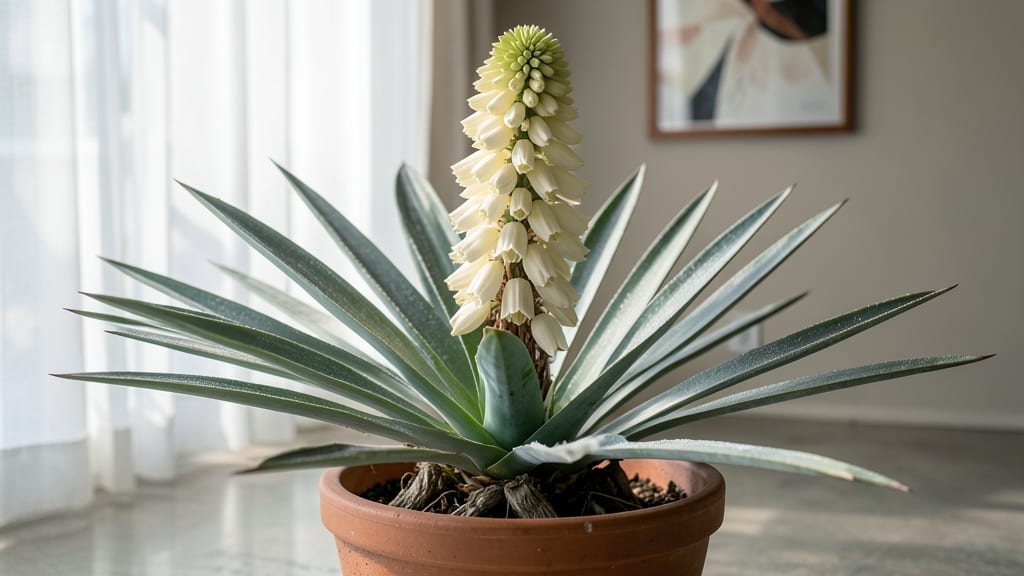
That first yucca bloom stalk rising from your plant is like a promise—tall, dramatic, and full of potential. 🌟 I’ve watched mine shoot up from the center like a desert sentinel, and once you see it, you’ll understand why yucca flowers are the stars of late-summer gardens.
The key to getting one? Patience, the right conditions, and knowing exactly when to step in (or step back). Yuccas thrive on neglect almost as much as they do on sunlight, but that doesn’t mean they’re low-maintenance. Too much water drowns the roots, while too little stunts the stalk.
Mine blooms reliably when I give it bright, direct sun for 6+ hours daily and let the soil dry completely between waterings—even in summer. The soil mix matters too: well-draining, slightly sandy, and amended with compost sets the stage for that first dramatic spike.
Once that bloom stalk appears—usually in late spring or early summer—it’s all about balance. Let it grow undisturbed unless pests like mealybugs move in, and never prune it until it’s fully spent.
After flowering, you can cut it back, but I leave mine for the architectural interest until it turns brown and crispy. The real magic? That first bloom cluster, often 6-12 feet tall, draws hummingbirds and late-season pollinators like nothing else in the garden.
For zone 5-9 gardeners, timing is everything. If your yucca skips flowering, it’s likely not getting enough light or needs a dormant winter rest (even in mild climates). And yes, some yuccas take 3-5 years to bloom—so hang in there. The payoff?
A towering, candle-like display that outshines anything else in the landscape.
📚 In This Guide
- What you need
- Instructions
- Tips and common mistakes
- Wrapping up and next steps
What you need
- ● Yucca plant: Mature Yucca species (e.g., Yucca filamentosa or Yucca rostrata) with a sturdy stalk (3–5 years old for best blooming potential).
- ● Well-draining soil: 50% cactus/succulent mix + 50% perlite/pumice (sterilized to prevent disease). Quantity: Enough to fill a pot 1–2 sizes larger than the plant’s root ball.
- ○ Container (optional but recommended): Terracotta or ceramic pot (12–18 inches in diameter) with drainage holes.
- ● OR raised garden bed (if planting outdoors in USDA Zones 5–11).
- ● Slow-release fertilizer: 5–10–10 NPK blend (1 tbsp per gallon of soil). Pro tip: Mix into the top 2 inches of soil at planting!
- ● Pruning shears: Sharp, sterilized shears (for trimming dead leaves or spent blooms).
- ● Watering can: With a narrow spout for targeted hydration (avoid soggy soil!).
- ● Sunlight: Full sun (6+ hours daily). Partial shade (3–4 hours) tolerates only in extreme heat (Zones 9–11).
- ● Temperature: Ideal range: 60–90°F. Protect from frost (<32°F kills stalks).
- ● Patience: Bloom stalks may take 1–3 years to emerge after planting!
- ● Grow lights: LED full-spectrum bulbs (for indoor growers in low-light areas).
- ● Mulch: Gravel or bark chips (1–2 inches) to retain moisture and deter weeds.
- ● Bloom booster: Liquid phosphorus-rich fertilizer (e.g., 0-10-10) every 4–6 weeks during growing season.
- ● Support stake: Bamboo or metal rod (3–4 feet tall) to secure tall stalks.
Step-by-step guide to encouraging yucca bloom stalks
Here's how to coax those dramatic, towering flower spikes from your mature yucca plants.
🌱 Step 1: Verify Plant Maturity and Health
Yuccas only produce bloom stalks when fully mature—typically after 3-5 years of growth and a trunk diameter of at least 3 inches. Check for thick, sturdy stems and healthy foliage radiating outward in a rosette pattern. If your plant has fewer than 10-12 leaves, it's not ready yet.
Look for new growth at the base of the plant—this signals stored energy from roots and leaves, which fuels the bloom stalk. Healthy plants show no brown leaf tips (a sign of underwatering) or yellowing (overwatering or poor drainage). I always inspect the soil around the base for white, fibrous roots—these indicate strong root systems capable of supporting a heavy flower stalk.
☀️ Step 2: Provide Optimal Light and Temperature Conditions
Yuccas demand full sun exposure for at least 8 hours daily to trigger blooming. Place your plant in a south-facing window or under grow lights if indoors. Without sufficient light, the plant conserves energy and skips flowering entirely. You'll know the light is right when the leaves stay deep green and upright—no stretching or pale coloring.
Maintain temperatures between 65-85°F during the day and no lower than 50°F at night. If your yucca sits in a drafty spot or near an AC vent, it may delay blooming. I've found that morning sun paired with afternoon shade in hot climates produces the best results—just watch for leaf burn (brown edges) as a warning sign to adjust placement.
💧 Step 3: Adjust Watering to Stimulate Flowering
Reduce watering significantly in late winter or early spring to mimic natural drought conditions that trigger blooming. Let the soil dry completely between waterings—stick your finger 2 inches deep into the soil. If it feels dry, water deeply until it drains from the bottom of the pot. Overwatering stresses the plant and prevents it from storing energy for the bloom stalk.
Once you see new growth at the base, gradually increase watering back to normal levels. The plant needs consistent moisture during this phase to support the heavy flower stalk. I use a moisture meter to avoid guesswork—30-40% moisture at the root level is ideal. Avoid wetting the leaves, as this can cause rot and attract pests.
⏰ Step 4: Fertilize Strategically for Bloom Support
Apply a balanced, slow-release fertilizer (10-10-10 or 20-20-20) in early spring when new growth appears. Use half the recommended dose—yuccas are sensitive to excess nutrients, which can lead to leaf scorch or weak stems. I fertilize every 6-8 weeks during the growing season (spring through summer) but stop completely in fall and winter to let the plant rest.
For an extra boost, mix in a phosphorus-heavy fertilizer (like 5-10-5) when you notice the first signs of a bloom stalk emerging. Phosphorus promotes root and flower development. Water the soil thoroughly after fertilizing to prevent root burn. If you see yellowing between leaf veins, you've overdone it—flush the soil with water immediately.
🌿 Step 5: Support the Bloom Stalk as It Grows
The bloom stalk can grow 6-10 feet tall and may need support to prevent snapping. Use a bamboo stake or small trellis inserted 3-4 inches into the soil near the base of the plant. Gently tie the stalk to the stake with soft plant ties as it grows, adjusting every 2-3 days to avoid constriction. If you skip this, the stalk may flop over or break under its own weight.
Once the stalk reaches half its expected height, reduce watering slightly to prevent excessive weight gain in the leaves. The plant is now directing energy into the flower buds rather than foliage. Watch for small buds forming at the top of the stalk—these will open into creamy-white, bell-shaped flowers over 2-4 weeks. If buds drop before opening, the plant may need more sunlight or less water.
✂️ Step 6: Deadhead and Care for Post-Bloom
After the flowers fade, cut the entire bloom stalk at the base with clean, sharp pruners. This redirects the plant's energy back into root and leaf growth for next year's bloom. Sterilize your pruners with rubbing alcohol to prevent disease. If you leave the stalk, the plant may produce pups (offsets) at the base—you can separate and replant these for new yuccas.
Increase watering and fertilizing lightly in fall to encourage new root growth before winter dormancy. Yuccas bloom on old wood, so the more energy they store, the bigger next year's stalk will be. I always mulch around the base with 2-3 inches of gravel to insulate roots and prevent rot in winter. With proper care, a healthy yucca can produce multiple bloom stalks over its lifetime.
Tips & tricks for encouraging yucca bloom stalks
Here's what nobody tells you about getting those towering yucca blooms—lessons I learned after years of trial and error.
Lighting Strategy: The 8-hour daily sun requirement is non-negotiable, but I've found that rotating your yucca quarter-turn weekly ensures even exposure. Plants left in one spot develop uneven growth, and the stalk may lean dangerously. In cloudy climates, supplement with grow lights 12-14 hours daily—yuccas won't bloom without this light intensity. Watch for leaves that stretch toward light (etiolation)—this means your plant is starving for more sun.
Watering Precision: That 2-inch soil depth check in Step 3 is your best friend. I've ruined three yuccas by guessing—overwatering creates root rot, while underwatering starves the plant. Use a moisture meter for accuracy, especially in containers where soil dries faster. The 30-40% moisture target at root level prevents both extremes. Pro tip: Water in the morning so excess drains away before evening—yuccas hate soggy roots.
Fertilizer Timing: The early spring application window is critical, but I've discovered that timing it with the new moon (when root growth is naturally enhanced) gives even better results. For the phosphorus boost when buds appear, I switch to a 5-10-5 formula—the extra phosphorus doesn't just help flowers, it strengthens the stalk's structural integrity. Always water after fertilizing to prevent salt buildup that burns roots.
Stalk Support Secret: When inserting that 3-4 inch stake in Step 5, angle it slightly toward the plant's center of gravity. The stalk grows heavier as it matures, and proper anchoring prevents the classic "leaning tower of Pisa" effect. I use soft plant ties that I adjust every 2-3 days—tightening too much restricts growth, while loose ties fail to support. Watch for the stalk to develop a slight curve at the base—this is normal and indicates it's finding its balance.
Pro Tips for Yucca Bloom Stalk
- Here's what nobody tells you about getting those towering yucca blooms—lessons I learned after years of trial and error.
- Lighting Strategy: The 8-hour daily sun requirement is non-negotiable, but I've found that rotating your yucca quarter-turn weekly ensures even exposure.
- Watering Precision: That 2-inch soil depth check in Step 3 is your best friend.
Frequently asked questions
Got questions about nurturing that towering yucca bloom stalk? You’re not alone! Here are some of the most common queries—and their answers—to help you grow those stunning flowers with confidence.
How do I know when my yucca plant is ready to bloom?
A yucca plant typically signals readiness for a bloom stalk by producing a thick, upright shoot from the center of the plant. Look for a sturdy, leafless or nearly leafless stalk that emerges in late spring or early summer. If your plant is mature (usually 3–5 years old) and healthy, it’s likely time to prepare for blooms!
How long does it take for a yucca bloom stalk to grow?
The bloom stalk grows surprisingly fast—often reaching its full height (6–10 feet!) in just 4–6 weeks. The flowers themselves open sequentially over several weeks, so you’ll enjoy a long display. Keep the soil consistently moist (but not soggy) to encourage steady growth.
What should I do if my yucca bloom stalk wilts or turns brown?
Wilting or browning can happen due to underwatering, overwatering, or extreme heat. If it’s early in the stalk’s growth, trim it back to the base and let the plant recover—it may produce a new stalk later. If the stalk is fully brown and crispy, it’s likely spent. Reduce watering slightly and ensure good airflow around the plant.
Can I cut back the bloom stalk after flowering?
Yes! Once the flowers fade and the stalk turns brown, you can prune it to the ground to redirect the plant’s energy into new growth or future blooms. Use clean shears to avoid disease. Some gardeners also opt to leave it for winter interest, but cutting it back keeps the plant tidy and encourages healthier regrowth.
Will my yucca bloom every year?
Yuccas are not annual bloomers—most bloom every 2–5 years, depending on maturity, care, and environmental conditions. Focus on providing well-draining soil, sunlight, and minimal fertilizer (over-fertilizing can reduce blooming). Patience pays off with these dramatic, long-lived plants!
Wrapping up and next steps
Growing a yucca bloom stalk is a rewarding journey that transforms your garden into a striking, tropical masterpiece! 🌿 With the right care—sunlight, patience, and occasional pruning—you’ll soon enjoy those dramatic, towering flower spikes that bring height and drama to any space.
Whether you’re a seasoned gardener or a beginner, this plant’s resilience and beauty make it a fantastic addition.
Ready to see your yucca really shine? 💡 Next steps:
- Monitor your plant’s growth and adjust care as needed.
- Share your progress (or blooms!) with fellow plant lovers—inspiration spreads!
- Experiment with nearby companions like agave or succulents for a stunning desert-inspired display.